Stabilize Heavy Rosette
As the rosette enlarges and becomes top-heavy, mound a 3–5 cm ring of coarse gravel around the stem base to improve drainage and reduce the risk of the plant leaning or uprooting in strong wind.

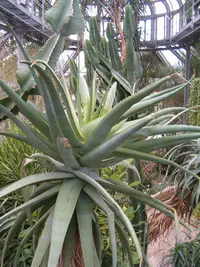
Tilt-head aloe, Aloe speciosa, is a tree-like aloe species known for its tall single stem and rosette of broad, arching, blue-green leaves. The rosette often leans to one side, giving the plant its common name.
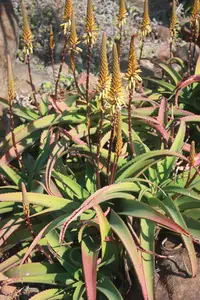
This species is native to South Africa, where it grows in rocky, well-drained habitats with bright light. It produces dense, upright flower spikes with red and cream blooms that attract pollinators.
Aloe speciosa is generally robust but needs strong light, sharp drainage, and protection from prolonged cold. Once the basic needs are understood, it is reasonably simple to care for tilt-head aloe.

Care Difficulty
Moderate Care

Light Preference
Full Sun

Water Requirements
Low Water

Temperature Preference
Warm Climate

Hardiness Zone
9–11

Soil Texture
Sandy, Loamy, Rocky

Soil pH
Slightly acidic (6.5–7.0), Neutral (7.0)

Soil Drainage
Well-drained

Fertilization
Minimal (feed rarely)
Scan your plant to receive care tips personalized for your specific plant
Available on iOS and Android
Aloe speciosa needs bright, mostly direct sun to form a strong rosette and avoid weak, leaning growth.
Aloe speciosa prefers deep, infrequent watering that allows the soil to dry between soakings.
This aloe thrives in warm, dry conditions and dislikes prolonged cold or frost.
Aloe speciosa handles typical indoor humidity well and rarely needs special adjustment.
Provide sharply draining, mineral-rich soil to prevent root rot and support strong Aloe speciosa growth.
This species can be grown in containers if the pot is chosen and managed for size and stability.
Aloe speciosa benefits from modest feeding in containers, while in-ground plants often manage with lean, well-drained soil.
Pruning Aloe speciosa is mainly hygienic, aimed at removing damaged tissue and maintaining a clean rosette.
Container-grown plants or young Aloe speciosa specimens benefit from occasional repotting or careful transplanting to support root health.
Propagation of Aloe speciosa is usually done by offsets, with seed used mainly by more advanced growers or for breeding.
Aloe speciosa tolerates brief light frost when established, but young or container plants need more controlled winter conditions.

Plant Health Check
Not sure what's wrong with your plant? Check your plant's health inside the app.
This species is naturally restricted to the Eastern and Western Cape of South Africa, where it often grows on rocky slopes and cliffs in a mosaic of thicket and dry forest vegetation.
Mature plants develop a tall single stem topped by a large leaf rosette that characteristically tilts to one side, which is the origin of its common name tilt-head aloe.
It produces tall, dense flower spikes with bicolored tubular flowers that are rich in nectar and primarily pollinated by sunbirds in its native range.

In its natural habitat, this species can form small local populations that act as important nectar hubs during its flowering season, supporting seasonal movements of nectar-feeding birds across fragmented South African landscapes.
This species grows slowly, often adding 10–20 cm of trunk per year in good conditions. It can take 8–15 years to form a clear, tree-like stem and substantial rosette.
Keep your plants happy and healthy with plant identification, disease detection, and easy care guidance.