Use top dressing
Apply a 0.5–1 cm layer of coarse mineral grit or small stones on the soil surface to keep the woolly stem dry at the base and reduce the risk of rot from splashing water.

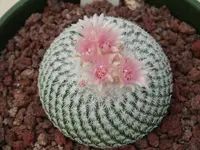
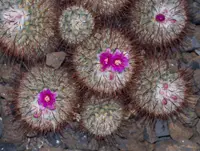
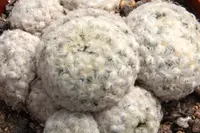
Epithelantha micromeris is a very small, slow-growing cactus known for its tight, rounded stems covered in dense, white-gray spines that almost hide the surface. It often forms low clusters that resemble tiny pebbles or buttons. In nature it occurs in rocky, arid regions of northern Mexico and the southwestern United States, where it grows in full sun and very fast-draining, mineral soils. Its compact size, drought tolerance, and minimal foliage make it relatively easy to care for indoors if overwatering is avoided. For those learning how to care for Epithelantha micromeris, its main needs are strong light, excellent drainage, and long dry periods between waterings.

Care Difficulty
Moderate Care

Light Preference
Full Sun

Water Requirements
Low Water

Temperature Preference
Warm Climate

Hardiness Zone
8–10

Soil Texture
Sandy, Rocky, Loamy

Soil pH
Slightly acidic (6.5–7.0), Neutral (7.0)

Soil Drainage
Well-drained

Fertilization
Minimal (feed rarely)
Scan your plant to receive care tips personalized for your specific plant
Available on iOS and Android
This small desert cactus needs strong light that mimics open, arid habitats.
This species prefers deep but infrequent watering and dries quickly between soakings.
This cactus is adapted to hot days, cool nights, and brief cold spells, but not prolonged frost.
This cactus is adapted to very dry air and rarely needs humidity attention indoors.
This desert cactus needs a very fast-draining, mineral-rich mix that dries quickly between waterings.
This species is well suited to container growing because of its small, shallow root system.
This cactus needs only light feeding under cultivation, as it is adapted to nutrient-poor soils.
Pruning needs for Epithelantha micromeris are minimal and focus on hygiene rather than shaping.
This species prefers to stay slightly root-bound and responds best to infrequent, careful repotting.
This cactus is mainly propagated from seed, as offsets are uncommon and division is rarely practical.
In many regions Epithelantha micromeris benefits from a cool, very dry winter rest with limited intervention.

Plant Health Check
Not sure what's wrong with your plant? Check your plant's health inside the app.
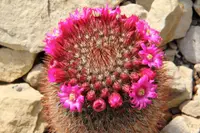
After flowering, it produces small, elongated red fruits that resemble berries and are edible, with a slightly sweet taste traditionally used as a minor wild snack by local people in its native range.
This species naturally grows on very harsh, rocky limestone slopes and gravelly hills in northern Mexico and the southwestern United States, where its compact body and dense spines minimize water loss and sun damage.
The plant surface is covered by very short, closely packed white spines arranged in spirals, which hide the green stem, reflect intense sunlight, and help it blend visually into pale desert stones and gravel.

In habitat, populations of this species are often used as an indicator of intact, relatively undisturbed desert limestone ecosystems, so botanists sometimes track its presence and abundance when assessing long-term habitat quality and disturbance in arid regions.
Growth is very slow. In cultivation it often adds only a few millimeters in diameter per year, sometimes less. Seedlings can take many years to reach 2–3 cm, even under stable, suitable conditions.
Keep your plants happy and healthy with plant identification, disease detection, and easy care guidance.