BotaN logo

Silken Pincushion Cactus Care (Mammillaria bombycina)

Silken Pincushion Cactus

About Silken Pincushion Cactus

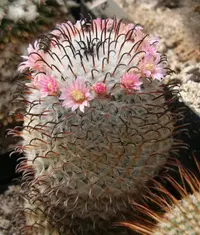
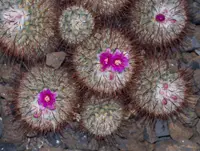
The silken pincushion cactus, Mammillaria bombycina, is a compact, clustering cactus from the rocky highlands of central Mexico. It forms tight mounds of small, rounded stems covered in white silky hairs and fine spines. In good conditions, it produces a neat ring of pink to magenta flowers near the stem tips, giving a decorative halo effect. This species stays relatively small, which makes it popular for windowsills and indoor collections. Mammillaria bombycina is considered easy to grow if kept in bright light, very free-draining soil, and protected from excess moisture. For most growers, it is straightforward to care for Silken Pincushion Cactus as long as overwatering is avoided.

Main Plant Requirements

Care Difficulty

Easy Care

Light Preference

Full Sun

Water Requirements

Low Water

Temperature Preference

Tropical / Frost Sensitive

Hardiness Zone

10–11

Soil Texture

Sandy, Loamy, Rocky

Soil pH

Slightly acidic (6.5–7.0), Neutral (7.0)

Soil Drainage

Well-drained

Fertilization

Minimal (feed rarely)

Get Personalized Care Plan

Scan your plant to receive care tips personalized for your specific plant

Available on iOS and Android

How to Care for the Silken Pincushion Cactus

This cactus prefers bright, indirect light with some gentle direct sun each day.

  • Provide 4–6 hours of direct morning sun or late-afternoon sun, with bright shade or filtered light at midday to prevent scorching of the Silken Pincushion Cactus.
  • Outdoors, place in an east- or southeast-facing spot; indoors, use a bright south- or east-facing window with sheer curtain if sun is intense.
  • Watch for signs of stress: yellowing or bleached patches indicate too much sun, while elongated, stretched growth indicates insufficient light, especially in winter.

Water sparingly and only when the soil has fully dried.

  • Before watering Mammillaria bombycina, ensure at least the top 3–5 cm of soil is completely dry and the pot feels noticeably lighter when lifted.
  • In spring and summer, water thoroughly, then drain fully; in autumn reduce frequency, and in winter water only enough to prevent complete shriveling.
  • Use a fast-draining cactus mix and a pot with drainage holes to limit root rot; soft, blackened stems indicate overwatering, while severe wrinkling signals prolonged drought.

This species prefers warm conditions with a cool, dry rest in winter.

  • Aim for 70–80°F (21–27°C) during active growth, with nights around 60–70°F (16–21°C) for steady development and flowering potential.
  • In winter, a cooler, drier rest at 50–60°F (10–16°C) is beneficial, provided the plant is protected from excess moisture and drafts.
  • Protect from frost; short dips near 32°F (0°C) can cause tissue damage, while heat above 95°F (35°C) is tolerated only with light shade and good airflow.

This cactus prefers dry air and rarely needs extra humidity.

  • Aim for 20–40% humidity, similar to most heated indoor rooms in arid or temperate climates.
  • It tolerates very dry air; problems arise more from excess moisture than from low humidity.
  • Watch for soft, pale, or moldy stems as signs of humidity-related rot in Silken Pincushion Cactus and improve air circulation if seen.

Use a very fast-draining, mineral-rich mix that dries quickly between waterings.

  • Choose a gritty, sandy structure with 60–80% inorganic materials such as pumice, coarse perlite, and 2–4 mm gravel, plus a small amount of cactus potting mix.
  • Ensure sharp drainage so water runs through in seconds; avoid mixes that stay wet, feel dense, or contain large amounts of peat or fine compost.
  • Aim for slightly acidic to neutral pH, roughly 6.0–7.2, which most commercial cactus mixes already provide.
  • For Mammillaria bombycina, increase aeration by mixing in extra pumice or coarse perlite if the pot feels heavy for long after watering.

This species is very suitable for container growing.

  • Select a shallow, broad pot so the clustering plant can spread while the root zone stays shallow and dries faster.
  • Use unglazed terracotta if extra evaporation is needed, especially in cooler or low-light locations where water lingers.
  • Place the pot where runoff water cannot pool around the base, so drainage holes stay clear and the root zone stays aerated.

This cactus benefits from light feeding during active growth but does not need heavy fertilization.

  • Use a balanced cactus fertilizer or dilute balanced NPK liquid (around 10-10-10) to 1/4–1/2 strength.
  • Feed Silken Pincushion Cactus every 4–6 weeks in spring and summer only, after watering, not on dry soil.
  • Avoid compost-rich mixes; use a mineral, free-draining medium and skip feeding in winter dormancy.
  • Stop fertilizing at least 6–8 weeks before expected cool conditions to prevent soft, frost‑tender growth.

Mammillaria bombycina requires minimal pruning, mainly for hygiene and shape control in containers.

  • Best time is late spring to early summer when growth is active and wounds heal faster.
  • Remove dead, dried, or rotting stems with clean, sharp scissors or a small knife, disinfected before use.
  • Thin out severely crowded offsets only if they trap moisture or cause deformity, keeping the clump balanced.
  • Handle gently with tongs or folded paper to avoid spine injury and accidental tissue damage.

This compact cactus grows slowly and needs infrequent repotting in a well-drained container mix.

  • Repot every 3–4 years or when roots circle the pot, drainage slows, or growth noticeably declines.
  • Choose late spring as the preferred time, when temperatures are stable and light levels are strong.
  • Use a pot just 1–2 in wider with ample drainage holes and a gritty cactus mix to limit rot risk.
  • Unpot carefully, remove loose soil, let roots dry 1 day if damaged, then replant and withhold water for 5–7 days.

This species is commonly propagated from offsets and, less often, from seed for new plants.

  • Detach offsets in late spring or early summer using sterile scissors or a clean knife.
  • Allow cut surfaces to callus in dry shade for 3–7 days to reduce rot risk before planting.
  • Set offsets on slightly moist, gritty cactus mix in bright, indirect light at 70–80°F.
  • For seeds, sow on the surface of sterile mix, keep barely moist, and maintain warmth and bright shade until germination.

This cactus prefers cool, dry winter conditions and is only mildly frost tolerant.

  • Keep indoor plants at 45–55°F in bright light with excellent air circulation and very low watering.
  • If grown outside in containers, move indoors before temperatures drop near 32°F.
  • Avoid wet soil in cold weather; keep the mix almost completely dry to prevent root rot.
  • Do not use heavy mulches around the base; instead rely on a dry, mineral substrate for insulation.

Care Tips

Cluster management

Remove small offset pups at the base with a sterile, thin blade in late spring to control clump size and encourage stronger growth in the remaining stems.

Root health checks

Every 2–3 years gently unpot and inspect the root system at the start of the warm season, trimming any black or mushy roots and repotting into fresh, dry mix to prevent hidden rot.

Rain protection

If kept outdoors, place the pot under an overhang or use a simple cold frame roof so the plant receives bright light and airflow but is shielded from prolonged rain events.

Winter rest setup

From late fall, move the plant to a bright, cool spot and keep the mix almost completely dry to provide a proper dormancy period that supports reliable blooming when temperatures rise.

Clean handling

Use long tweezers, folded paper bands, or silicone-tipped tongs to handle the plant when repotting or dividing, which protects both your hands and the delicate white hairs that are important for caring for Silken Pincushion Cactus.

Common Pests and Diseases

Mealybugs

This pest hides in the dense woolly areoles and between clustered stems, feeding on sap and weakening growth over time. Symptoms include white cottony masses around the base of spines, in stem crevices, and sometimes on roots.

Solution

Isolate the plant, then dab visible insects with cotton swabs dipped in 70% isopropyl alcohol and repeat weekly until clear; the wool must be inspected closely. For heavier infestations, rinse the plant gently with lukewarm water, let it dry fully, and use a systemic insecticide labeled for cacti while also improving light and air circulation to reduce reinfestation.

Spider mites

These insects thrive on compact, sun-exposed clusters, causing dull, roughened epidermis and tiny pale speckling on segments. Fine webbing may appear between heads, especially in hot, dry indoor conditions.

Solution

Increase humidity slightly around the plant without wetting the soil, then shower the cactus with a firm but gentle stream of water to dislodge mites and webs, letting it dry well afterwards. If damage persists, use a miticide or insecticidal soap labeled for succulents, applied carefully to avoid soaking the root zone, and maintain strong light and good airflow as part of Mammillaria bombycina care.

Scale insects

This pest appears as small, hard, brown to gray bumps attached firmly to stems, often blending with spines and wool. Feeding reduces vigor and may cause yellowing patches or poorly developing new heads.

Solution

Remove individual scales manually with a soft brush, toothpick, or tweezers, taking care not to damage the epidermis, then wipe affected areas with diluted alcohol. For persistent cases, apply a systemic insecticide suitable for indoor succulents according to label directions and quarantine the plant away from other cacti until the infestation is eliminated.

Corking from sun stress

Symptoms include brown, rough, bark-like tissue forming on older stem sections, often accelerated when a greenhouse- or windowsill-grown plant is suddenly exposed to intense direct sun. While some basal corking is natural with age, rapid spread or patchy sections higher on the stems usually indicate stress or past damage.

Solution

Move the plant to a bright position with filtered or gradually increasing direct sun, avoiding sudden changes in light intensity. Prevent further damage by providing 4–6 hours of gentle morning sun, avoiding midday scorch, and maintaining a dry, mineral-rich substrate so the plant can slowly outgrow stressed tissue.

Fungal stem spots

This disease develops as small, sunken, brown to black spots on stems that may slowly expand, sometimes starting at minor injury sites or water-splashed areas between dense heads. In humid or poorly ventilated conditions, affected tissue may soften or show dark margins around lesions.

Solution

Cut out or carefully carve away affected tissue with a sterile knife if lesions are localized, then let the wound dry and callus in a dry, bright, well-ventilated place. Reduce overhead watering, keep the crown and wool dry, improve airflow, and, if spread continues, apply a targeted fungicide labeled for cacti while discarding severely affected plants to protect nearby specimens.

Interesting Facts

Silky wool protection

The cactus produces long, silky white hairs mainly on new growth, which help shade the stem from intense sun and reduce water loss in its native Mexican habitat.

Cluster-forming habit

This species naturally forms dense, rounded clumps of many small heads, a growth pattern that allows it to share a common root system and stabilize shallow, rocky slopes.

Contrasting spine colors

It is known for its striking contrast between reddish-brown hooked central spines and fine white radial spines, a combination that gives the plant both effective herbivore defense and its characteristic ornamental appearance, making Mammillaria bombycina plant care popular among collectors.

Botan icon

Did you know?

In the wild, this species is endemic to a relatively small area in central-western Mexico, where it often grows wedged into limestone rock crevices, an adaptation that provides excellent drainage and protection from soil erosion.

FAQs about Silken Pincushion Cactus

This species usually blooms in spring to early summer, forming a ring of small pink to white flowers around the stem. Under stable bright conditions, it may produce several flushes of blooms during the warmer months.

Grow Healthy Plants with Botan Care

Keep your plants happy and healthy with plant identification, disease detection, and easy care guidance.

Botan plant care app — identify plants on mobile

Explore More Plants