


Controlled pot crowding
Allow stems to fill the pot so the root zone becomes slightly crowded, which stimulates tighter, more floriferous growth, then only upsize the container one step when roots circle the bottom densely.

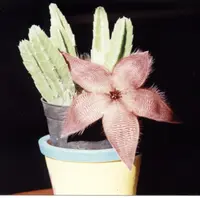
Stapelia hirsuta, commonly called starfish flower, is a stem succulent from dry regions of South Africa. It grows as low, clumping mats of thick, angular, leafless stems. The large, star-shaped flowers are often hairy and patterned in browns, reds, or yellows. They emit a strong odor that attracts flies for pollination. This species is generally slow-growing but long-lived in containers. It prefers bright, indirect light, a very fast-draining gritty soil mix, and careful watering with long dry periods. These traits make it suitable for patient growers who want to learn how to care for starfish flower indoors or in warm climates.

Care Difficulty
Moderate Care

Light Preference
Partial Sun

Water Requirements
Low Water

Temperature Preference
Tropical / Frost Sensitive

Hardiness Zone
10–11

Soil Texture
Sandy, Loamy, Rocky

Soil pH
Slightly acidic (6.5–7.0), Neutral (7.0)

Soil Drainage
Well-drained

Fertilization
Minimal (feed rarely)
Scan your plant to receive care tips personalized for your specific plant
Available on iOS and Android
Stapelia hirsuta prefers bright, indirect light that mimics open, lightly shaded desert edges.
This succulent stores water in its stems and needs infrequent but thorough watering.
This plant prefers warm, stable conditions with protection from frost and extreme heat.
This succulent tolerates a wide humidity range but prefers relatively dry air.
Soil for Stapelia hirsuta must drain very quickly while still anchoring its shallow roots.
This species is very suitable for container growing due to its shallow, spreading root system.
Stapelia hirsuta benefits from light, controlled feeding during its active growing season in spring and summer.
Pruning Stapelia hirsuta is mainly about hygiene and maintaining a compact, stable clump.
This succulent prefers slightly tight conditions, so repot Stapelia hirsuta only when clear signs of crowding appear.
Stapelia hirsuta is most often propagated from stem cuttings, which root well in warm, dry conditions.
This succulent is frost-sensitive and needs cool, dry, protected conditions in winter, especially in cold climates.

Plant Health Check
Not sure what's wrong with your plant? Check your plant's health inside the app.
The flowers emit a strong carrion-like odor and have hairy, mottled petals that visually and chemically mimic decaying animal flesh to attract blowflies as primary pollinators.
Individual flowers often reach 10–15 cm across, forming a flat, five-pointed star with long, tapering lobes and dense hairs that enhance the illusion of animal fur.
This species spreads slowly by branching, four-angled succulent stems that root at the base, forming dense clumps that can persist for many years in the same site or container.

Genetic and morphological studies show that what gardeners call Stapelia hirsuta is part of a complex of closely related, often intergrading forms, which makes precise identification challenging even for specialists.
Lack of blooms usually comes from insufficient light intensity, a pot that is too large, or excess nitrogen fertilizer. Cool, bright, dryish conditions and a slight winter rest help trigger buds when following general Stapelia hirsuta care instructions.
Keep your plants happy and healthy with plant identification, disease detection, and easy care guidance.

Zygophyllum mayanum
Zygophyllum mayanum
Stromanthe tonckat
Stromanthe tonckat
Dragon Scale plant
Alocasia baginda
 POPULAR
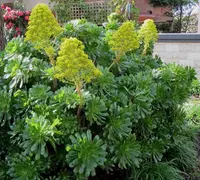
Tree Aeonium
Aeonium arboreum
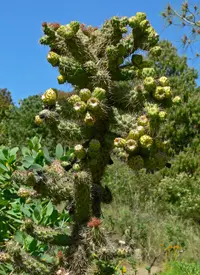
coastal cholla
Cylindropuntia prolifera
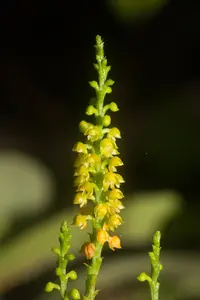
lesser yellowspike orchid
Polystachya foliosa
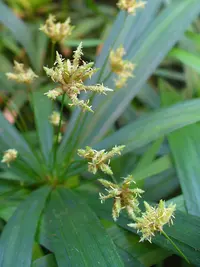
Dwarf striped umbrella sedge
Cyperus albostriatus
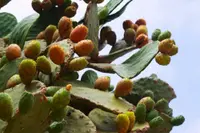
Stenocereus pruinosus
Stenocereus pruinosus