Controlled pot sizing
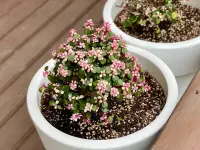
Use a shallow, only slightly oversized clay pot to restrict excess root-zone moisture and keep the plant’s woody caudex firm and compact rather than forcing fast, weak growth.

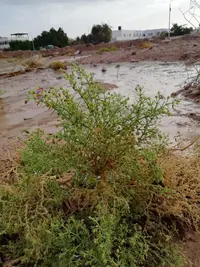
Zygophyllum arabicum is a compact, shrubby succulent native to arid regions of the Arabian Peninsula and surrounding areas. It is adapted to strong sun, heat, and poor, rocky soils.
The plant typically forms low, branching clumps with thick, paired leaves that store water and small, often inconspicuous flowers. Its slow growth and drought tolerance make it suitable for dry gardens and specialized container collections.
Because it is adapted to harsh environments, it dislikes heavy, waterlogged substrates and prolonged shade, which can lead to rot and weak growth. Understanding how to care for Zygophyllum arabicum starts with replicating its bright, dry, well-drained habitat as closely as possible.

Care Difficulty
Moderate Care

Light Preference
Full Sun

Water Requirements
Low Water

Temperature Preference
Tropical / Frost Sensitive

Hardiness Zone
10–11

Soil Texture
Sandy, Rocky, Loamy

Soil pH
Neutral (7.0), Slightly alkaline (7.0–7.5)

Soil Drainage
Well-drained

Fertilization
Minimal (feed rarely)
Scan your plant to receive care tips personalized for your specific plant
Available on iOS and Android
This desert succulent thrives in bright, open conditions with strong sun exposure.
This species prefers infrequent, deep watering that mimics dry desert conditions.
This plant is adapted to warm, arid climates with distinct tolerance for heat but poor frost resistance.
This desert succulent tolerates very dry air and rarely needs extra humidity attention.
This species needs very fast-draining, mineral-rich soil to prevent root rot.
This species is suitable for container growing when drainage and root conditions are controlled carefully.
This desert succulent grows well with very light feeding, so any fertilization should stay modest and infrequent.
This plant needs only light structural pruning to maintain a compact, healthy form.
This slow-growing succulent dislikes frequent disturbance, so repotting or transplanting should be done only when clearly needed.
Propagation of this species is possible but slower than many common houseplants, so patience is important.
This desert plant is not reliably hardy in cold climates and benefits from simple, dry winter conditions.

Plant Health Check
Not sure what's wrong with your plant? Check your plant's health inside the app.
This species is a small woody succulent native to arid zones of the Arabian Peninsula and adjacent regions, where its thickened leaves and stems store water and reduce water loss in intense heat.
It often grows in saline or slightly salty soils and shows clear halophytic traits, meaning it can tolerate and even prefer substrates with elevated salt content that would stress many other shrubs.
The plant forms small, fleshy, paired leaf segments that minimize surface area while retaining moisture, an adaptation that allows it to remain physiologically active during long dry periods.
This species generally performs better outdoors in bright, dry, frost-free conditions. Indoors it needs maximum light, excellent drainage, and careful watering. Zygophyllum arabicum indoor care is possible but less forgiving, especially in low-light homes.
Keep your plants happy and healthy with plant identification, disease detection, and easy care guidance.