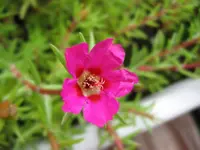
Common Donkeyfig Care (Mestoklema tuberosum)

Common Donkeyfig

About Common Donkeyfig

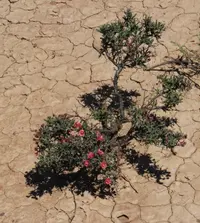
Mestoklema tuberosum, commonly called common donkeyfig, is a small succulent shrub with a swollen, tuberous base and narrow, often paired leaves. It belongs to the ice plant family and usually forms low, woody clumps. In its native habitats of arid southern Africa, it grows in rocky, well-drained sites, storing water in its roots and stems to survive long dry periods.

The plant produces small, daisy-like flowers that attract pollinators and add seasonal interest. Its drought tolerance and slow growth make it suitable for patient growers who prefer low-maintenance succulents. To care for Common Donkeyfig, provide strong light, very free-draining soil, and careful, infrequent watering to avoid rot.

Main Plant Requirements

Care Difficulty

Moderate Care

Light Preference

Full Sun

Water Requirements

Low Water

Temperature Preference

Tropical / Frost Sensitive

Hardiness Zone

10–12

Soil Texture

Sandy, Rocky, Loamy

Soil pH

Slightly acidic (6.5–7.0), Neutral (7.0)

Soil Drainage

Well-drained

Fertilization

Minimal (feed rarely)

Get Personalized Care Plan

Scan your plant to receive care tips personalized for your specific plant

Available on iOS and Android

How to Care for the Common Donkeyfig

This sun-loving succulent from arid regions thrives with strong light and careful exposure management.

  • Provide 6–8 hours of direct sun daily, with ideal exposure being full morning sun and light afternoon shade, especially in hot, dry climates.
  • Plants tolerate bright, open positions but can scorch under intense summer afternoon sun; introduce more sun gradually to avoid leaf burn.
  • In cooler seasons, more direct sun is beneficial, while in very hot periods, use light shade cloth or situate Common Donkeyfig where it receives filtered afternoon light.

This drought-adapted succulent stores water in its tuberous roots and must dry well between waterings.

  • Water only when the top 3–5 cm of soil are fully dry, using a deep soak and allowing excess to drain away quickly.
  • Reduce watering sharply in cooler months, giving just enough to prevent shriveling; in warm active growth, expect somewhat more frequent but still infrequent watering.
  • Use very fast-draining, gritty soil; soft, yellowing leaves or blackened roots indicate overwatering, while wrinkling and leaf drop signal prolonged dryness for Mestoklema tuberosum.

This species prefers warm, dry conditions and does poorly in prolonged cold or frost.

  • Aim for daytime temperatures of 70–85°F (21–29°C) for strongest growth, with slightly cooler nights around 60–68°F (16–20°C).
  • Protect plants from temperatures below 40°F (4°C); brief light chills may be tolerated, but hard frost can damage stems and underground storage roots.
  • In hot spells above 95°F (35°C), provide some afternoon shade and ensure airflow to limit heat stress and reduce the risk of sunscald.

This dryland succulent tolerates low indoor humidity and rarely needs special humidity management.

This species needs very fast-draining, gritty soil to protect its tuberous roots from rot.

  • Use a cactus or succulent mix amended with 30–50% extra coarse sand, fine gravel, or pumice for sharper drainage.
  • Aim for a loose, open structure that stays airy around the roots rather than compacting after repeated watering.
  • Keep pH slightly acidic to neutral, around 6.0–7.0, which suits Mestoklema tuberosum and most other succulents.
  • Avoid heavy, peat-dense or clay-based soils that stay wet for long periods, since these encourage rot and fungal problems.

This drought-adapted succulent is well suited to container growing.

  • Choose a wide, shallow pot that allows the tuber to spread horizontally while keeping the root zone from staying wet too deep.
  • Prefer unglazed terracotta over plastic if extra moisture loss is needed in cool or humid climates.
  • Place the container where excess runoff can drain away quickly so water never pools in saucers or cachepots.

This drought-adapted succulent needs only light feeding to stay healthy, so avoid heavy or frequent fertilization for Common Donkeyfig.

  • Use a balanced liquid fertilizer (around 10-10-10) diluted to 25–50% strength during active spring–summer growth.
  • Apply every 4–6 weeks at most, only when the plant is producing new shoots or leaves.
  • Skip feeding in fall–winter dormancy, especially in cool conditions, to prevent weak, stretched growth.
  • In very lean, sandy mixes, a small amount of slow-release cactus fertilizer can support growth without excess salts.

Mestoklema tuberosum needs only light, occasional pruning to maintain a compact, healthy form.

  • Best time is late winter or early spring, just before active growth starts.
  • Remove dead, damaged, or shriveled stems with clean, sharp scissors or bypass pruners.
  • Thin crowded, leggy shoots back to a branching point to improve light penetration and air flow.
  • Moderate tip trimming can encourage denser, branching growth while preserving the plant’s natural character.

This tuberous succulent prefers infrequent disturbance, so repot or transplant only when clear signs appear.

  • Check for roots circling the pot, pushing through drainage holes, or noticeably slowed growth as indicators.
  • Plan repotting or transplanting in late spring, allowing warm, bright conditions for recovery.
  • Typically shift containers every 3–4 years, moving to a pot only 2–3 cm wider with excellent drainage.
  • Handle the swollen roots gently, keep them slightly dry for a few days after moving, and shade from intense sun to reduce stress.

Propagation of this species is commonly done from stem cuttings, with seeds used less often for home growers.

  • Take semi-firm stem cuttings in late spring–summer, allowing cut surfaces to dry and callus for 3–5 days.
  • Insert cuttings into a sharply drained, gritty mix and keep slightly moist, not wet, in bright indirect light.
  • Maintain warm conditions around 70–80°F to encourage rooting and reduce the risk of rot.
  • Seed propagation requires warm soil, bright light, and very free-draining medium; germination is typically slow.

This succulent is not fully frost hardy and benefits from basic winter protection, especially in cooler climates.

  • Avoid exposure to frost; aim to keep temperatures above 40°F for sustained periods.
  • In-ground plants in mild climates appreciate a light, dry mulch over the root zone to moderate temperature swings.
  • Move container plants indoors or into a cool, bright, frost-free greenhouse before night temperatures drop near freezing.
  • Reduce watering significantly in winter, keeping the soil mostly dry to prevent root and tuber rot in cold conditions.

Care Tips

Tuber health check

During repotting, gently unearth and inspect the thickened tuber roots for rot or damage, trimming only soft or blackened tissue with a sterile blade before replanting slightly above the soil line to prevent future decay.

Strategic stem pinching

Pinch back soft, leggy stem tips in late spring to encourage a more compact, branched plant and better flowering, allowing each cut to dry and callus for a day before any overhead watering.

Winter rest management

In regions with cool, bright winters, allow the plant a partial rest by slightly reducing water and avoiding repotting or major disturbance, which helps preserve tuber energy for stronger spring growth.

Controlled outdoor exposure

If moving the plant outdoors for summer, acclimate it gradually over 7–10 days to full sun and wind, starting in bright shade to prevent sudden leaf scorch and tuber stress.

Targeted pest scouting

Inspect stem joints and the base of the tuber every few weeks for early signs of mealybugs or scale, wiping small infestations with a cotton swab dipped in isopropyl alcohol to keep caring for Common Donkeyfig low-risk and chemical-light.

Common Pests and Diseases

Mealybugs

This pest feeds on the plant’s sap, often hiding in leaf axils and along stems, causing stunted growth and weak, shriveled leaves and tubers.

Solution

Isolate the plant, then dab visible insects with cotton swabs dipped in 70% isopropyl alcohol and rinse the plant gently after treatment; repeat weekly until no new insects appear, and maintain very good light and airflow to reduce reinfestation, which is central to Mestoklema tuberosum care.

Spider mites

These insects thrive on thin, drought-adapted foliage in dry indoor air, causing fine webbing, pale stippling, and a dull, dusty look to the stems and leaves.

Solution

Shower the plant thoroughly to wash off mites, then increase humidity slightly around the plant without overwatering and use a horticultural oil or insecticidal soap on all surfaces, repeating every 7–10 days until symptoms stop.

Aphids

These insects cluster on tender new growth and flower stalks, sucking sap and leaving sticky honeydew that can attract sooty mold and ants.

Solution

Rinse off colonies with a firm stream of water, pinch back heavily infested soft tips, and follow up with insecticidal soap on the growing tips and undersides of leaves, checking new growth weekly during the active season.

Fungal leaf spots

This disease appears as small brown to black speckles or irregular lesions on the leaves, often following extended humidity or overhead watering.

Solution

Remove and discard affected leaves, improve airflow, avoid wetting the foliage, and if new spots continue to appear, apply a sulfur or copper-based fungicide labeled for succulents, following directions carefully.

Soft tuber rot

Symptoms include soft, water-soaked, foul-smelling tuber sections, usually starting after prolonged soil moisture or damage to the storage roots.

Solution

Unpot the plant, cut away all affected tuber tissue with sterile tools, allow clean cuts to dry and callus for several days, then repot into fresh, very coarse, fast-draining mix and water sparingly until new growth resumes.

Interesting Facts

Tuber-based survival

This species develops swollen underground tubers that store water and nutrients, allowing the plant to survive long dry periods in its arid southern African habitats.

Miniature leaf adaptation

Its very small, often cylindrical leaves minimize surface area and reduce water loss, an adaptation that helps the plant cope with intense sun and low rainfall.

Woody succulent growth

Unlike many soft-stemmed succulents, this plant forms a woody, shrub-like framework with succulent segments, giving it both drought tolerance and structural stability in rocky soils.

Botan icon

Did you know?

In its native range in southern Africa, this species often grows partly hidden among rocks or in crevices, where its tubers anchor it securely and the surrounding stone moderates temperature swings and reduces water loss from the root zone.

FAQs about Common Donkeyfig

This species performs best outdoors in a bright, dry, frost-free position that mimics its arid habitat. Indoors it survives only with strong light, very fast-draining soil, and restrained watering, so outdoor planting is usually more reliable long term.

Grow Healthy Plants with Botan Care

Keep your plants happy and healthy with plant identification, disease detection, and easy care guidance.


Botan plant care app — identify plants on mobile

Explore More Plants