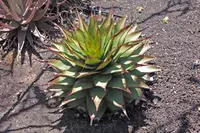
hen and chickens Care (Sempervivum heuffelii)

hen and chickens

About hen and chickens

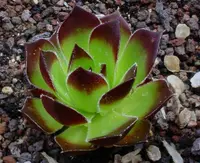
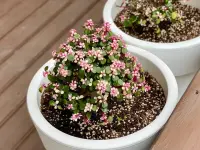
Hen and chickens (Sempervivum heuffelii) is a hardy, evergreen succulent known for tight rosettes that slowly form dense, mat-like clumps. Each “hen” rosette produces smaller “chicks” around its base, creating a tidy, geometric display.

This species is native to rocky, mountainous regions of the Balkans, so it is adapted to strong sun, sharp drainage, and periods of drought. It is considered easy to grow because it tolerates poor soils, cold winters, and irregular watering. In many gardens, people learn how to care for hen and chickens as a reliable, low-maintenance groundcover or container plant.

Main Plant Requirements

Care Difficulty

Easy Care

Light Preference

Full Sun

Water Requirements

Low Water

Temperature Preference

Cold Hardy

Hardiness Zone

4–9

Soil Texture

Sandy, Loamy, Rocky

Soil pH

Slightly acidic (6.5–7.0), Slightly alkaline (7.0–7.5)

Soil Drainage

Well-drained

Fertilization

Minimal (feed rarely)

Get Personalized Care Plan

Scan your plant to receive care tips personalized for your specific plant

Available on iOS and Android

How to Care for the hen and chickens

Sempervivum heuffelii thrives in bright, direct outdoor light for compact, colorful rosettes.

  • Provide 6–8 hours of sun daily, ideally strong morning sun with lighter afternoon exposure, to maintain tight growth and rich leaf color in hen and chickens.
  • Allow light afternoon shade in very hot climates to prevent leaf scorch, bleaching, or dry brown patches on outer leaves.
  • In winter, full sun is beneficial, but low-angle sun in cold regions is usually safe and helps maintain pigmentation.

Watering for Sempervivum heuffelii should be light and infrequent, with a strong focus on drainage.

  • Let the top 3–5 cm of soil dry completely before watering; in fast-draining gritty soil, this often means long dry intervals between soakings.
  • During active growth in spring and early summer, water only when leaves start to look slightly less firm; avoid any standing water around the crown.
  • In cool or wet seasons, reduce watering sharply; soft, translucent leaves or a blackened base indicate overwatering and potential rot.

Stable cool to warm conditions suit this hardy alpine succulent best.

  • Optimal growth occurs around 60–75°F (16–24°C), with good airflow helping the rosettes stay firm and disease resistant.
  • Plants tolerate winter cold down to about -20°F (-29°C) in well-drained soil, but repeated freeze-thaw on soggy ground can damage roots and crowns.
  • In summer, they handle brief spikes to 90–95°F (32–35°C) if soil is fast-draining and the roots are not kept wet during hot nights.

This hardy succulent prefers dry air and does not need added humidity.

  • Target 20–40% humidity, which matches typical indoor air in heated or air‑conditioned homes.
  • Hen and chickens tolerates very dry air; problems usually come from excess moisture around roots, not low humidity.
  • If leaves turn mushy or translucent, reduce ambient moisture and increase air movement around the rosettes.

Use very fast-draining, gritty soil to keep roots dry and oxygenated.

  • Choose a sandy or gravelly mix with a loose, open structure that sheds water quickly rather than holding it.
  • Aim for slightly acidic to neutral pH around 6.0–7.5, similar to many succulent mixes sold for cacti.
  • Combine 1 part coarse sand or grit, 1 part pumice or perlite, and 1 part lean mineral topsoil for stable but airy structure.
  • Avoid peat-heavy, compacted, or water-retentive mixes, which cause Sempervivum heuffelii roots to rot and weaken rosettes.

This species is very suitable for container growing outdoors.

  • Select a wide, shallow container to match the shallow root system and allow offsets to spread without crowding the center rosette.
  • Use heavy ceramic, concrete, or stone pots in windy sites so clumps stay stable as rosettes multiply and gain weight.
  • Elevate the pot slightly on blocks or pot feet so drainage holes stay clear and water cannot pool under the container.

Sempervivum heuffelii grows well in lean soil and needs only light feeding compared with many houseplants, even when caring for hen and chickens.

  • Use a very dilute balanced liquid fertilizer (for example 5-5-5 or 10-10-10 at 1/4 strength) during active growth in spring–early summer.
  • Feed once at the start of the season, then no more than 1–2 times total if growth appears weak.
  • Avoid high-nitrogen or heavy compost applications that encourage soft, rot-prone leaves.
  • Stop feeding in late summer and do not fertilize during fall and winter dormancy.

Pruning Sempervivum heuffelii is minimal and focuses on cleanliness rather than shaping.

  • In late spring or after flowering, remove spent flower stalks at the base with clean scissors or pruners.
  • Gently pull away dead, dried outer leaves by hand to improve air flow and reduce rot risk.
  • Thin out obviously damaged or diseased rosettes to maintain an even clump and healthier new growth.
  • Disinfect tools before and after use to limit spread of fungal or bacterial problems.

Transplanting or repotting Sempervivum heuffelii is needed only when clumps outgrow their space or soil becomes exhausted.

  • Check for roots circling the pot, slow growth despite good light, or rosettes pushing over the container edge as signs to move it.
  • Plan repotting or garden transplanting in spring or early fall for mild temperatures and lower stress.
  • Expect to repot containers about every 3–4 years, mainly to refresh gritty, free-draining soil.
  • Lift clumps gently, tease roots apart with fingers, replant at the same depth, then water lightly and shade from intense sun for 3–5 days.

Propagation of Sempervivum heuffelii is commonly done by division of rosettes for consistent, healthy new plants.

  • Divide offsets in spring or early fall when temperatures are moderate and soil is slightly moist.
  • Gently separate individual rosettes with some roots attached using fingers or a clean knife.
  • Plant divisions into a gritty, well-draining mix and firm lightly around the roots.
  • Keep in bright, indirect light with very light watering until new growth shows establishment.

Sempervivum heuffelii is cold hardy and usually needs little winter care in the ground.

  • Most established plants tolerate freezing conditions and snow in well-drained soil.
  • Apply a very light gravel mulch around rosettes to keep the crown dry and reduce freeze–thaw stress.
  • For containers in very cold or wet climates, move pots to a sheltered, unheated area with good light and minimal winter watering.

Care Tips

Offset selection

When dividing clumps, select offsets with tight, undamaged rosettes and at least a small section of attached stem, since these establish faster and resist rot better than tiny, loosely formed pups.

Rock crevice planting

Tuck rosettes into narrow gaps between rocks or pavers with a thin layer of gritty substrate, which stabilizes the crown, sheds excess water from the center, and mimics the plant’s natural alpine habitat.

Winter wet protection

In climates with cold, wet winters, place a simple clear rain shield or cold frame over the planting area from late fall to early spring to keep crowns dry while still exposing them to cold needed for strong coloration.

Rotate container clusters

If grown in pots, rotate the container by 90° every 2–3 weeks during the growing season so each side of the clump receives similar light and develops evenly colored rosettes.

Pest-scouting gravel

Use a light-colored, 0.5–1 cm mineral top-dressing so that mealybugs, aphids, and rot spots are easier to spot early, which makes caring for hen and chickens more proactive and targeted.

Common Pests and Diseases

Mealybugs

This pest feeds on leaf bases and between rosettes, leaving cottony white clusters and causing distorted or stunted offsets. Symptoms include sticky honeydew and sooty deposits on older leaves.

Solution

Isolate affected plants, then use a cotton swab dipped in 70% isopropyl alcohol to dab and dislodge visible insects, repeating weekly until clear. Remove heavily infested offsets, improve airflow, and keep foliage dry; for outdoor clumps, a firm jet of water can help knock insects out of the rosette crevices.

Vine weevils

These insects damage plants in 2 stages: adults notch the leaf edges at night, while larvae feed on roots and the stem base, causing rosettes to wilt and detach. Infestations can be severe in container-grown clumps kept in cool, moist conditions.

Solution

Hand-pick adult beetles at night using a flashlight and shake them from the foliage onto a tray for disposal. For larvae, repot affected plants, discard the old soil, physically remove grubs, and consider applying nematodes labeled for vine weevil control in late summer or early fall while keeping the soil lightly moist but not wet.

Aphids

These insects cluster on young rosettes and flower stalks, sucking sap and causing leaf curl and distorted growth. Sticky honeydew can attract ants and lead to black sooty mold on older leaves.

Solution

Rinse plants thoroughly with a firm but controlled stream of water, focusing on the centers of rosettes and flower stems. For persistent populations, apply an insecticidal soap spray labeled for succulents in the early morning, repeating every 5–7 days until no aphids remain, and avoid overfertilizing, which encourages soft, aphid-prone growth.

Rust

This disease appears as small orange‑brown pustules on older leaves, especially on plants kept crowded and shaded. Symptoms include yellowing or premature drying of lower leaves and reduced vigor in the rosette.

Solution

Remove and discard affected leaves and any severely damaged rosettes, then thin crowded clumps to increase light and airflow. Keep foliage dry, water at the soil level, and avoid overhead watering; in persistent cases, apply a sulfur or copper-based fungicide labeled for ornamental succulents according to package directions.

Crown rot

This disease typically develops in the crown area when plants sit in cold, wet soil, especially in poorly drained containers or heavy garden soil. Symptoms include a soft, mushy center, foul odor, and sudden collapse of the rosette from the base upward.

Solution

Uproot and discard any plant with a soft, decaying crown, and inspect nearby rosettes for early signs of softening. Replant healthy offsets in very free‑draining, gritty soil, raise pots off solid surfaces for better drainage, and avoid frequent watering, especially in cool weather, which is critical for reliable Sempervivum heuffelii care instructions.

Interesting Facts

Distinct leaf fusion

This species forms rosettes where neighboring leaves are often fused at their bases, creating a sculpted, geometric appearance that is more pronounced than in many other hardy Sempervivum species.

Stable, non-offset colors

Individual clones of this plant tend to hold very stable leaf colors and patterns over time, which makes selected cultivars highly valued for maintaining consistent rosette appearance in rock gardens and containers.

Exceptional frost tolerance

Native to mountain regions of the Balkans, this species tolerates prolonged freezing and repeated freeze–thaw cycles, surviving winters in exposed rock crevices that would damage many other succulents.

Botan icon

Did you know?

Botanists have documented that this Balkan species often hybridizes naturally with related houseleeks in cultivation, and the resulting seedlings can show unusual combinations of leaf color, thickness, and margin patterns that are then selected and named as ornamental cultivars.

FAQs about hen and chickens

This species spreads slowly by forming tight clumps rather than running. It produces offsets close to the mother rosette, so it rarely becomes invasive and is usually easy to keep within its planting area.

Grow Healthy Plants with Botan Care

Keep your plants happy and healthy with plant identification, disease detection, and easy care guidance.

Botan plant care app — identify plants on mobile

Explore More Plants