snake aloe Care (Aloe broomii)

Also known as: mountain aloe
snake aloe

About snake aloe

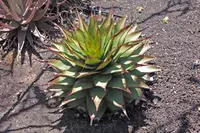
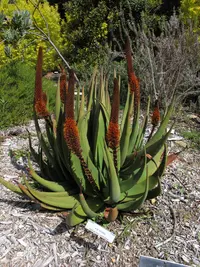
Snake aloe, Aloe broomii, is a compact, stem-forming succulent known for its tight rosettes of thick, upright, blue-green leaves with small, regular teeth along the edges. As it matures, it can produce a tall, dense flower spike that gives the plant its common name.

This species is native to arid regions of South Africa, where it grows in rocky, well-drained sites. Its drought tolerance and slow growth make it relatively easy to care for snake aloe in containers or dry gardens.

It prefers bright light, infrequent but deep watering, and gritty, fast-draining soil to stay healthy and avoid rot.

Main Plant Requirements

Care Difficulty

Easy Care

Light Preference

Full Sun

Water Requirements

Low Water

Temperature Preference

Warm Climate

Hardiness Zone

9–11

Soil Texture

Sandy, Loamy, Rocky

Soil pH

Slightly acidic (6.5–7.0), Neutral (7.0)

Soil Drainage

Well-drained

Fertilization

Minimal (feed rarely)

Get Personalized Care Plan

Scan your plant to receive care tips personalized for your specific plant

Available on iOS and Android

How to Care for the snake aloe

Aloe broomii thrives in bright, open conditions that mimic its arid native habitat.

  • Provide 6–8 hours of direct sun daily, ideally strong morning sun with lighter afternoon exposure to reduce leaf scorch risk.
  • Plant in a position with full sun to light partial shade; snake aloe tolerates brief shade but becomes elongated and pale if light drops too low.
  • In hot summers, use filtered light or slight afternoon shade, while in winter ensure maximum unobstructed sun to compensate for shorter days.

Aloe broomii prefers infrequent, deep watering that allows the soil to dry between soakings.

  • Water only when the top 3–5 cm of soil are completely dry; leaves that wrinkle slightly then plump up after watering indicate a good rhythm.
  • Reduce watering sharply in cool seasons, especially below 55°F (13°C), to avoid root rot in this drought-adapted species.
  • Use sharply draining, gritty soil so water runs through quickly; soft, yellowing leaves or a sour smell suggest overwatering, while crisp, folding leaves suggest underwatering.

This species handles heat well but is sensitive to extended cold and frost.

  • Aim for daytime temperatures of 70–85°F (21–29°C) during active growth, with slightly cooler nights to mimic desert conditions.
  • Protect the plant from temperatures below 30°F (-1°C); short, light frosts may damage leaf tips, and harder freezes can kill the crown.
  • In hot spells above 100°F (38°C), provide airflow and, if possible, light afternoon shade to limit heat stress and prevent leaf scorch.

Aloe broomii prefers dry air and usually stays healthy in typical indoor humidity levels.

  • Keep relative humidity around 30–50% to mimic its native arid conditions and reduce fungal risk.
  • Plant in a freely draining mix so moisture does not linger around the roots, even if room humidity is slightly higher.
  • Watch for soft, swollen leaves or black leaf spots as signs of excess humidity combined with poor air flow and improve ventilation if seen.

Aloe broomii needs a very fast-draining, mineral-rich mix that dries quickly between waterings.

  • Use a cactus or succulent mix based on coarse sand or grit, then add extra pumice or perlite for sharper drainage.
  • Aim for slightly acidic to neutral pH, around 6.0–7.0, which supports nutrient uptake without encouraging rot.
  • Ensure the mix feels gritty rather than spongy; excess peat or compost holds too much water and reduces root aeration.
  • For long-term Aloe broomii plant care, include 20–30% inorganic stones or gravel near the bottom to keep the root zone dry and oxygenated.

This species is well suited to container growing, especially in cooler or wetter climates.

  • Choose a wide, heavy pot that resists tipping, as the rosette becomes tall and top-heavy over time.
  • Select unglazed clay if possible so moisture can evaporate through the pot walls and reduce rot risk.
  • Elevate the container slightly on feet or bricks so drainage holes stay clear and water drains away quickly after rain or irrigation.

Aloe broomii is a slow-growing succulent that benefits from light, controlled feeding during the warm growing season.

  • Use a diluted balanced liquid fertilizer (around 10-10-10 or 20-20-20 at 25–50% strength) in spring and summer.
  • Apply every 4–6 weeks only when the soil is warm and the plant is actively growing.
  • Avoid feeding in fall and winter, as growth slows and excess nutrients can cause root damage.
  • In very lean, sandy mixes, a small amount of slow-release succulent fertilizer can support growing snake aloe without forcing soft growth.

Aloe broomii needs minimal pruning, mainly to maintain cleanliness and reduce disease risk.

  • Best time to prune is late winter to early spring, before strong new growth starts.
  • Remove dead, dried, or damaged leaves at the base using clean, sharp pruning shears or a knife.
  • Cut spent flower stalks back to the rosette base once they have fully dried to tidy the plant.
  • Limit removal of healthy leaves, since heavy pruning can distort the natural rosette shape and slow growth.

Container-grown Aloe broomii or young landscape plants benefit from infrequent but careful repotting or transplanting.

  • Plan moves in late spring to early summer when temperatures are warm and growth is active.
  • Repot when roots circle the pot, drainage slows, or growth becomes noticeably weaker despite correct care.
  • Choose a pot only 2–5 cm wider with a fast-draining cactus mix, handling the roots gently to limit damage.
  • Allow roots to dry for 1–2 days after transplanting damaged plants, then water lightly and keep slightly shaded for 1–2 weeks to reduce stress.

Aloe broomii is usually propagated by seed and sometimes by offsets when available.

  • Sow fresh seed in late spring to early summer in a shallow tray filled with sterile, gritty, well-drained mix.
  • Press seeds onto the surface, cover very lightly with sand, and keep evenly slightly moist, not wet.
  • Provide bright, indirect light and warmth around 70–80°F to support steady germination.
  • Separate and pot up offsets only when they have their own roots, allowing any cut surfaces to dry for 2–3 days before planting.

Aloe broomii is somewhat cold tolerant when dry but still needs thoughtful winter care in many climates.

  • In the ground, it handles brief light frosts but prefers winter lows above about 25°F, especially in wet climates.
  • Mulch lightly with gravel around the base to keep the crown dry and improve drainage, not to add warmth.
  • In very cold or wet regions, grow Aloe broomii in containers and move indoors to a bright, cool, dry place for winter.

Care Tips

Deep pot selection

Use a heavy, deep clay or concrete pot with a wide base so the tall flowering spike does not tip the plant over in strong wind or accidental bumps.

Gradual sun hardening

Before moving a plant from indoors or shade to full sun, increase light exposure over 10–14 days to prevent bleached leaves and sun scorch on this slow-growing succulent.

Winter dryness control

In regions with cool, wet winters, place the pot under a deep eave or in a cold greenhouse so the rosette stays dry during rain, which greatly reduces crown rot risk.

Weed-free gravel mulch

Apply a 2–4 cm top dressing of coarse mineral grit or small gravel around the base to keep the crown dry, limit weeds, and make inspecting the neck of the plant for rot or pests easier.

Safe handling practice

Wear sturdy gloves and use tongs or folded newspaper to grip the leaf bases when repotting or dividing, since the rigid, toothed leaves can cut skin during routine Aloe broomii plant care.

Common Pests and Diseases

Aloe mite

This pest forms abnormal, bumpy galls or cauliflower-like growths on leaves and flower stalks, often starting in tight leaf bases. Symptoms include distorted tissue that cannot return to normal growth.

Solution

Isolate the plant, then cut away all affected tissue well into healthy green parts and dispose of it in the trash. Disinfect tools with alcohol after cutting, avoid overhead watering that keeps leaf bases wet, and monitor closely for any new distorted growth to remove early as part of Aloe broomii care instructions.

Aphids

These insects cluster on young leaves, flower stalks, and buds, sucking sap and leaving sticky honeydew that can attract sooty mold. Symptoms include curling or stunted new growth and visible small soft-bodied insects in green, black, or brown.

Solution

Rinse infestations off with a firm stream of water, then treat remaining colonies with insecticidal soap or a neem oil spray, coating leaf bases and undersides. Improve air circulation, avoid high nitrogen fertilization, and check flower stalks regularly, especially outdoors or in greenhouses.

Aloe rust

This disease causes round, sunken orange to dark brown spots on leaves that may merge into larger patches over time. Symptoms include spots that are more visible on the underside and may develop powdery spore masses in humid conditions.

Solution

Remove and discard heavily spotted leaves to reduce spore load, and keep foliage dry by watering at the soil level. Provide strong light, good airflow, and if needed apply a sulfur or copper-based fungicide labeled for succulents, following the label carefully.

Leaf spot (fungal)

This disease produces scattered, irregular brown to black lesions on leaves, sometimes with a pale halo. Symptoms include slowly enlarging spots that can cause cosmetic damage, especially on older outer leaves.

Solution

Trim off the worst-affected leaves and discard them, then increase spacing and airflow around the plant. Avoid water sitting on leaves, keep the plant in bright light, and if spots continue to spread, use a low-toxicity fungicide suitable for aloes on a test area first.

Mealybugs

These insects appear as small white cottony clusters in leaf axils, roots, and along the base of the rosette, feeding on sap and weakening the plant. Symptoms include sticky residue, slowed growth, and yellowing or shriveling lower leaves.

Solution

Dab visible insects with cotton swabs dipped in 70% isopropyl alcohol, then rinse the plant after a few minutes to remove residues. For heavier infestations, apply insecticidal soap or neem oil thoroughly into leaf bases and, if repotting, inspect and rinse roots to remove any hidden root mealybugs.

Interesting Facts

Distinctly banded leaves

This species develops stiff, triangular leaves with clean, pale bands that form a symmetrical rosette, giving mature plants an almost architectural, geometric look compared with many other aloes.

Tall candle-like inflorescence

The flower stalk can reach up to about 3 m in habitat and carries densely packed, pale yellowish flowers that open from the bottom upwards, creating a distinctive candle or torch-like profile.

Adapted to rocky grasslands

In its native range in South Africa and Lesotho, this aloe grows on rocky slopes and grassland hillsides, tolerating strong sun, wind, and periodic drought typical of highland summer-rainfall regions.

Botan icon

Did you know?

Aloe broomii is sometimes planted in traditional kraals and homesteads in parts of South Africa as a living barrier, since its dense, sharply pointed leaf rosettes can help discourage livestock and wildlife from crossing.

FAQs about snake aloe

This species often needs to be several years old and seasonally cool, bright, and dry in winter to form a flower spike. Excess shade, frequent watering in winter, or heavy nitrogen fertilizer usually prevents bud formation.

Grow Healthy Plants with Botan Care

Keep your plants happy and healthy with plant identification, disease detection, and easy care guidance.

Botan plant care app — identify plants on mobile

Explore More Plants