Mexican hens and chicks Care (Echeveria shaviana)

Also known as: Mexican hens and chicks
Mexican hens and chicks

About Mexican hens and chicks

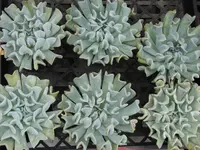
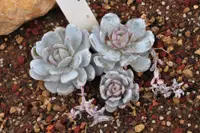
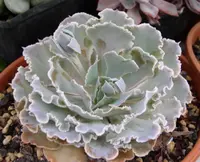
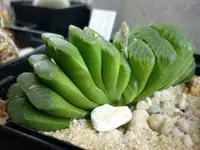
Mexican hens and chicks (Echeveria shaviana) is a compact rosette-forming succulent valued for its wavy, scalloped leaves. Foliage ranges from blue-green to lavender tones, often with a powdery coating. It naturally occurs in northeastern Mexico on rocky slopes, adapted to strong light and rapid drainage. This background makes it drought tolerant and generally easy to grow in containers and rock gardens. The plant prefers bright light, low to moderate moisture, and a gritty, well-draining soil mix. With these conditions, it stays low-maintenance, which suits anyone learning how to care for Mexican hens and chicks.

Main Plant Requirements

Care Difficulty

Easy Care

Light Preference

Full Sun

Water Requirements

Low Water

Temperature Preference

Tropical / Frost Sensitive

Hardiness Zone

10–11

Soil Texture

Sandy, Loamy, Rocky

Soil pH

Slightly acidic (6.5–7.0), Neutral (7.0)

Soil Drainage

Well-drained

Fertilization

Minimal (feed rarely)

Get Personalized Care Plan

Scan your plant to receive care tips personalized for your specific plant

Available on iOS and Android

How to Care for the Mexican hens and chicks

Echeveria shaviana thrives in bright, direct light but needs protection from intense afternoon sun in hot climates.

  • Provide 4–6 hours of direct morning sun plus bright, indirect light for the rest of the day to maintain compact rosettes and strong leaf color.
  • Accepts light partial shade, especially in hot regions, but growth becomes looser and color duller if it receives under 3–4 hours of direct sun.
  • In summer, shield Mexican hens and chicks from harsh afternoon sun to prevent leaf scorch, and in winter move pots to the brightest, frost-free spot available.

Water Echeveria shaviana sparingly, allowing the soil to dry well between waterings.

  • Wait until the top 3–5 cm of soil are completely dry before watering, then soak thoroughly and allow all excess to drain away.
  • Reduce watering significantly in winter, giving only enough when leaves start to slightly soften or wrinkle, which indicates mild thirst.
  • Watch for overwatering signs such as mushy, translucent leaves and a sour soil smell, and ensure sharply draining, gritty soil to protect the roots.

Stable warm conditions support healthy growth and flowering in this succulent.

  • Aim for 65–80°F (18–27°C) during active growth, as this range supports steady photosynthesis and compact rosette formation.
  • Protect it from temperatures below 30–32°F (-1–0°C); light frost can scar leaves, while harder freezes may kill the growing point.
  • In heat above 90°F (32°C), provide afternoon shade and good air movement, and reduce watering frequency slightly to avoid root rot in hot, stagnant soil.

This succulent prefers dry air and is comfortable in typical indoor humidity.

  • Aim for 30–50% humidity; avoid prolonged levels above 60% to reduce rot risk.
  • Mexican hens and chicks tolerate central heating dryness better than many houseplants, so extra humidity is rarely needed.
  • Watch for soft, mushy leaves or blackened leaf bases as signs of excess humidity combined with poor air movement.

This species needs a sharply draining, mineral-based substrate to prevent root and crown rot.

  • Use a gritty mix such as 50–70% inorganic material (pumice, coarse perlite, or 3–5 mm gravel) blended with 30–50% lean potting mix or cactus mix.
  • Aim for slightly acidic to neutral pH around 6.0–7.0, which supports nutrient uptake without encouraging fungal growth.
  • Ensure soil structure is loose and crumbly so water runs through in seconds rather than pooling on the surface.
  • Avoid peat-heavy, compact, or water-retentive mixes, which hold moisture around the roots and cause Echeveria shaviana to decline.

This species is very suitable for container growing, including shallow bowls and dish gardens.

  • Choose a pot only 2–4 cm wider than the rosette to keep the root zone from staying wet too long.
  • Select unglazed terracotta or similarly porous material so moisture can escape through the pot walls as well as the drainage holes.
  • Raise the container slightly on pot feet or stones to keep drainage holes clear and allow water to exit quickly after watering.

This succulent needs only light feeding to support compact rosettes and steady growth.

  • Use a balanced liquid fertilizer (around 10-10-10 or 20-20-20) diluted to 25–50% strength for containers.
  • Feed once every 4–6 weeks in spring and summer while growing Mexican hens and chicks in bright light.
  • Skip compost-heavy mixes and choose a product formulated for succulents or cacti to avoid excess salts.
  • Stop feeding in fall and winter when growth slows, resuming only after new spring growth appears.

Pruning Echeveria shaviana focuses on cleanliness and rosette shape rather than size control.

  • Best time is late winter to early spring, before strong new growth starts.
  • Remove dead, yellowing, or damaged leaves from the lower rosette using clean, sharp scissors or by gently twisting them off.
  • Cut back spent flower stalks at the base to direct energy into foliage and future blooms.
  • Thin crowded offsets if rosettes shade each other, improving airflow and light penetration.

This succulent prefers infrequent repotting, mainly when roots outgrow the container or soil degrades.

  • Check for roots circling the drainage holes, soil drying extremely fast, or stalled growth as signs to repot.
  • Plan repotting every 2–3 years in late spring, when active growth helps recovery.
  • Use a shallow pot with excellent drainage and a gritty cactus/succulent mix to limit root rot risk.
  • Handle the rosette gently, loosen circling roots lightly, and keep soil barely moist for 7–10 days after repotting to reduce stress.

New plants are most often produced from offsets and leaf cuttings rather than seeds.

  • Divide offsets in spring or early summer, lifting and separating rosettes with some attached roots.
  • Take healthy, full leaves or short stem cuttings and let cut surfaces callus in dry shade for 2–3 days.
  • Place on or in barely moist, gritty mix, keeping warmth (68–75°F) and bright, indirect light for rooting.
  • Use seeds mainly for breeding; they need warmth, sterile mix, and consistent but light moisture to germinate.

Cold management is important, as this species is not reliably hardy in freezing climates.

  • Assume frost sensitivity below about 30°F; aim to overwinter containers in a bright indoor spot or cool greenhouse.
  • Keep soil almost dry in winter, watering lightly only when leaves begin to wrinkle.
  • If planted outdoors in mild climates, provide sharp drainage and a gravel mulch around the crown to limit moisture on leaves.
  • Avoid cold, wet conditions by ensuring good airflow and no water left sitting in the rosette before nighttime lows.

Care Tips

Rosette offset management

Remove and replant well-rooted offsets from the outer edge of the rosette in late spring or early summer to maintain an open shape and reduce overcrowding that can trap moisture and promote rot.

Targeted airflow control

Position a small fan on a low, indirect setting near the plants during humid or rainy periods to dry leaf surfaces and leaf axils more quickly and reduce fungal spotting.

Precision grooming

Use clean, pointed tweezers to remove dead, dried, or badly damaged leaves from the base of the rosette so pests have fewer hiding places and the crown stays well ventilated.

Seasonal light rotation

Rotate containers by 90° every 1–2 weeks during the bright season so each side of the rosette receives similar light, which helps maintain a symmetrical, compact form when growing Mexican hens and chicks.

Dry handling technique

Handle plants only when leaves and soil are dry, supporting the pot rather than the foliage, to avoid bruising the waxy leaf coating that helps limit water loss and sun stress.

Common Pests and Diseases

Mealybugs

This pest hides in leaf rosettes and between tightly packed leaves, feeding on sap and weakening the plant. Symptoms include white cottony clusters, distorted new growth, and sticky honeydew on leaves or the pot surface.

Solution

Isolate the plant, then dab visible insects and cottony masses with cotton swabs dipped in 70% isopropyl alcohol, repeating weekly until gone. Rinse the rosette gently to flush hidden insects, improve airflow, and use a labeled insecticidal soap or neem oil spray on all leaf surfaces, avoiding strong sun until dry.

Aphids

These insects collect on flower stalks and young rosettes, sucking sap and causing curling or stunted new growth. Sticky residue and sooty mold on flower stems are common signs.

Solution

Remove heavily infested flower stalks and rinse remaining aphids off with a firm stream of water, keeping the rosette tilted to avoid water sitting in the crown. If needed, apply insecticidal soap or a light neem oil spray to buds, stems, and undersides of leaves, repeating every 5–7 days until no new aphids appear.

Vine weevils

This pest damages Echeveria shaviana both as adults and larvae; adults notch the leaf edges at night, while larvae feed on roots and the stem base in the soil, leading to sudden collapse. Symptoms include irregular bites on leaves followed by wilting despite normal watering.

Solution

Check the root ball and remove all larvae by hand, then repot into fresh, gritty succulent mix. Use yellow sticky traps or night inspections to collect adult beetles, and in outdoor or greenhouse setups consider applying beneficial nematodes to the potting mix according to label directions.

Edema

This physiological disorder occurs when roots take up water faster than leaves can release it, common in cool, wet, or poorly ventilated conditions. Symptoms include corky, raised, or blister-like spots on lower leaves that later turn brown.

Solution

Allow the soil to dry more thoroughly between waterings, using a very fast-draining succulent mix and a pot with large drainage holes. Increase light and airflow, avoid watering late in the day in cool conditions, and remove only severely damaged leaves once new growth appears normal.

Powdery mildew

This disease appears as patchy white or gray powder on leaves, especially in cramped, humid displays with limited air movement. Symptoms include dull, dusty-looking foliage and gradual decline in vigor if not corrected.

Solution

Improve spacing, light, and airflow around the rosette and avoid overhead watering that leaves foliage damp for long periods. Remove the worst-affected leaves and use a labeled sulfur-based or potassium bicarbonate fungicide for succulents, applying in the evening and keeping the plant out of strong sun after treatment to avoid leaf burn.

Interesting Facts

Frilly rosette adaptation

This species forms a loose, frilled rosette with wavy leaf margins that help shade the inner leaves, reducing water loss and sun stress in its native semi-arid habitats.

Seasonal color shifts

The leaves can shift from blue-green to pink-lilac tones under strong light and cooler temperatures because of increased production of protective pigments called anthocyanins.

Native to northeastern Mexico

It is naturally found on rocky slopes in northeastern Mexico, where it grows in thin, fast-draining soils and experiences distinct dry and wet seasons, shaping modern Echeveria shaviana care practices in cultivation.

Botan icon

Did you know?

This species has been widely used in breeding frilled ornamental hybrids, and its wavy leaf edges are a key trait passed on to many popular decorative Echeveria cultivars sold in garden centers.

FAQs about Mexican hens and chicks

Lack of flowering usually comes from insufficient light, excess nitrogen fertilizer, or a pot that is too large. Stress from recent repotting or division can also delay blooms until the plant re-establishes its root system.

Grow Healthy Plants with Botan Care

Keep your plants happy and healthy with plant identification, disease detection, and easy care guidance.

Botan plant care app — identify plants on mobile

Explore More Plants