Crassula brevifolia Care

Crassula brevifolia

About Crassula brevifolia

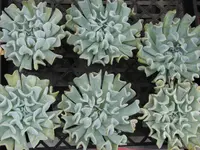
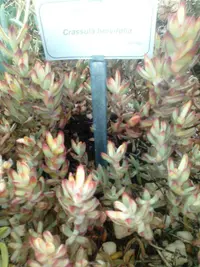
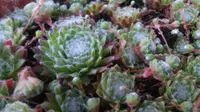
Crassula brevifolia is a compact, branching succulent shrub from arid regions of South Africa and Namibia. It forms short, woody stems lined with thick, triangular leaves that store water. Leaf color ranges from gray-green to reddish tones in strong light, giving the plant a distinctive, architectural look. Growth is slow, which suits small spaces and container culture. This species is generally considered easy to grow when its need for bright light, sharp drainage, and infrequent watering is respected. Its toughness and drought tolerance make it a good choice for beginners learning how to care for Crassula brevifolia.

Main Plant Requirements

Care Difficulty

Easy Care

Light Preference

Full Sun

Water Requirements

Low Water

Temperature Preference

Tropical / Frost Sensitive

Hardiness Zone

10–11

Soil Texture

Sandy, Loamy, Rocky

Soil pH

Slightly acidic (6.5–7.0), Slightly alkaline (7.0–7.5)

Soil Drainage

Well-drained

Fertilization

Minimal (feed rarely)

Get Personalized Care Plan

Scan your plant to receive care tips personalized for your specific plant

Available on iOS and Android

How to Care for the Crassula brevifolia

This compact South African succulent thrives in bright, dry conditions with controlled sun exposure.

  • Provide 4–6 hours of direct morning sun with bright, filtered light the rest of the day, especially in hot, dry climates.
  • Allow light partial shade during harsh afternoon sun; strong midday exposure behind glass can scorch leaves and cause brown, dry patches on Crassula brevifolia.
  • In winter, move plants to a brighter position to compensate for shorter days, watching for stretched, pale growth that signals insufficient light.

This drought-adapted succulent stores water in its leaves and prefers infrequent, deep watering.

  • Water only when the top 3–5 cm of soil are completely dry; in warm active growth this may mean every 10–21 days, depending on climate and soil.
  • Use very fast-draining, gritty soil; water thoroughly, then let excess drain away so roots do not sit in waterlogged conditions that cause root rot and mushy leaves.
  • Reduce watering sharply in cool seasons; wrinkling and slight leaf softening suggest underwatering, while yellowing, translucent, or dropping leaves indicate overwatering.

This species prefers warm, dry, frost-free conditions with only moderate temperature swings.

  • Aim for 65–80°F (18–27°C) for steady growth; brief peaks to 90°F (32°C) are tolerated if soil is dry and there is good air movement.
  • Protect from cold; growth slows below 55°F (13°C), and damage occurs near 32°F (0°C), with soft, blackened tissues after even light frost.
  • In regions with hot summers, give light afternoon shade and avoid placing plants against heat-reflecting walls or metal surfaces that can create extreme localized temperatures.

This succulent handles typical indoor humidity well and rarely needs special adjustment.

  • Aim for 30–50% humidity, similar to most heated or air-conditioned homes.
  • Dry air is tolerated, but very hot, drafty spots can cause leaf edge browning or shriveling.
  • If air is extremely dry, move the plant slightly away from vents rather than using trays or humidifiers.

Crassula brevifolia needs a very fast-draining, gritty mix that dries quickly between waterings.

  • Use a cactus/succulent mix amended with 30–50% extra mineral material such as pumice, perlite, or coarse sand.
  • Aim for a loose, crumbly texture that prevents compaction and allows air to reach the roots easily.
  • Keep pH slightly acidic to neutral, around 6.0–7.0, which most commercial cactus mixes naturally provide.
  • Avoid dense peat-heavy, clay, or water-retentive mixes that stay wet for more than 3–4 days after watering.

This species adapts very well to container growing.

  • Choose a wide, shallow pot to match its branching, shrubby root system and reduce tipping risk.
  • Select unglazed terracotta if extra evaporation is needed in cool or low-light locations.
  • Elevate the pot on feet or a stand so drainage holes clear the saucer and water can escape freely.

This compact succulent benefits from light feeding in active growth but is sensitive to excess salts.

  • Use a balanced liquid fertilizer (around 10-10-10 or 20-20-20) diluted to 25–50% strength for Crassula brevifolia.
  • Apply every 4–6 weeks during spring and summer when growth is visible.
  • Avoid organic composts that stay wet; choose formulations for cacti and succulents.
  • Stop feeding in fall and winter, when growth slows and roots are less active.

Pruning helps maintain a compact, branching form and removes weak tissue.

  • Carry out light pruning in late winter or early spring before strong new growth starts on Crassula brevifolia.
  • Use clean, sharp scissors or small pruning shears to avoid crushing stems.
  • Remove dead, damaged, or crossing branches and any very leggy shoots.
  • Pinch or cut just above a node to encourage branching and a denser outline.

This slow-growing succulent prefers slightly snug containers and infrequent repotting.

  • Check for roots circling the pot, pushing through drainage holes, or very slow growth as signs to repot Crassula brevifolia.
  • Plan repotting in spring every 2–3 years, or when the root ball is clearly crowded.
  • Use a shallow pot with excellent drainage and a gritty cactus mix, handling roots gently.
  • Let roots dry for 1–2 days after disturbing them, then water lightly to limit stress and rot.

New plants are most often produced from cuttings rather than seed.

  • Take short, healthy stem or single-leaf cuttings from Crassula brevifolia in spring or early summer.
  • Allow cut surfaces to callus in dry air for 1–3 days before planting.
  • Place cuttings in a sterile, very well-drained cactus mix under bright, indirect light.
  • Keep slightly moist but never wet; warmth around 70–75°F supports faster root formation.

This species is not frost-hardy and needs cool, dry, frost-free conditions in winter.

  • Move container plants indoors before temperatures fall below 40°F to avoid tissue damage.
  • Provide bright light and good air circulation, but keep away from cold drafts and single-pane windows.
  • Water sparingly, allowing the mix to dry almost completely, to reduce rot risk in semi-dormant roots.
  • In mild climates, outdoor plants must stay in very sheltered spots or under cold frames to avoid freezing.

Care Tips

Encourage Compact Form

Rotate the pot a quarter turn every 2–3 weeks and lightly pinch soft tips in spring to keep stems short-jointed and the plant dense instead of stretched and floppy.

Stabilize Top-Heavy Stems

If older, woody stems start leaning, repot slightly deeper in the mix and use a small stone top-dressing to anchor the base and prevent the plant from tipping over.

Use Leaf Cuttings

When pruning, select firm, undamaged leaves, let them callus 2–3 days, then place on barely moist gritty mix to produce genetically identical backups and fill gaps in the pot.

Seasonal Light Adjustment

In late spring, increase outdoor light exposure gradually over 7–10 days or use a sheer curtain indoors to prevent sun scorch when daylight intensity rises.

Prevent Mealybug Buildup

Inspect tight leaf joints and lower stem crotches monthly, and at the first sign of white cottony clusters, isolate the plant and treat with a cotton swab dipped in isopropyl alcohol to protect long-term Crassula brevifolia plant care.

Common Pests and Diseases

Mealybugs

This pest feeds on leaf and stem sap, often hiding in tight leaf joints and along the woody stems, causing stunting and yellowing. Symptoms include cottony white clusters and sticky honeydew on the plant surface.

Solution

Isolate the plant, then dab visible insects with cotton swabs dipped in 70% isopropyl alcohol and repeat weekly until no new clusters appear. For larger infestations, rinse the plant thoroughly with a firm stream of water and follow with applications of a ready-to-use insecticidal soap or neem oil, ensuring the plant dries quickly to avoid prolonged moisture on the leaves.

Aphids

These insects cluster on tender new growth and flower stalks, sucking sap and causing distortion, curling, and slowed growth. Sticky honeydew may appear on leaves and nearby surfaces, sometimes leading to sooty mold.

Solution

Move the plant to a sink or outdoors and wash off aphids with a gentle but steady stream of water, focusing on shoot tips. If populations persist, apply insecticidal soap or neem oil to all leaf surfaces, including undersides, repeating every 5–7 days until new growth forms clean, which supports effective Crassula brevifolia care instructions.

Spider mites

This pest thrives on Crassula stems and leaves kept in warm, dry air, causing tiny pale speckles, dull foliage, and in heavier infestations, fine webbing between leaves. Symptoms include overall loss of vigor and a dusty look to the plant.

Solution

Increase local humidity by grouping plants and rinsing the foliage under lukewarm water, paying attention to leaf undersides, then let the plant dry in bright, airy conditions. For persistent mites, treat the plant with miticidal soap or neem oil sprays every 5–7 days, ensuring thorough coverage and improving air movement around the plant to reduce reinfestation risk.

Edema

This disorder occurs when roots absorb water faster than leaves can transpire it, leading to corky, rough, or blister-like spots on the thick leaves. Symptoms include small raised brown or tan patches that do not spread like a typical infection.

Solution

Reduce watering frequency and allow the soil to dry more deeply between waterings, especially in cool or low-light conditions. Improve light levels and air circulation so the plant can use water more evenly, and avoid sudden shifts from very dry to very wet soil to prevent new edema spots.

Interesting Facts

Miniaturized shrub habit

This species often forms a compact, many-branched, woody shrub only a few tens of centimeters tall, mimicking the structure of larger arid shrubs but at a miniature scale that helps reduce water loss in its native Western and Northern Cape habitats of South Africa.

Color-shifting leaf edges

The small, triangular leaves are usually grey-green, but their margins can turn reddish under high light and drought stress due to increased production of protective pigments such as anthocyanins.

Rocky cliff specialist

In the wild it frequently anchors itself in cracks of quartzite or sandstone slopes, where fast-draining crevices prevent root rot and provide a competitive advantage over less drought-adapted plants.

FAQs about Crassula brevifolia

Brown leaves usually result from underwatering, intense direct sun scorch, or fertilizer salt buildup at the roots. Check soil moisture, flush the pot occasionally with plain water, trim damaged tips, and adjust exposure more gradually.

Grow Healthy Plants with Botan Care

Keep your plants happy and healthy with plant identification, disease detection, and easy care guidance.

Botan plant care app — identify plants on mobile

Explore More Plants