Protect the caudex
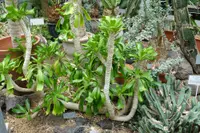
Raise the swollen base slightly above the soil line in a shallow, heavy pot so it dries quickly after rain and is less prone to rot, and rotate the pot a quarter turn every 2–3 weeks for even, compact caudex development.

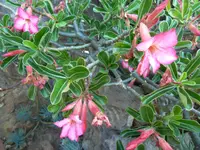
Summer impala lily, Adenium swazicum, is a compact succulent shrub valued for its swollen, sculptural trunk and vibrant funnel-shaped pink flowers. It often forms a low, branching clump that can look bonsai-like with age.
This species is native to Eswatini (Swaziland) and nearby regions in southern Africa, where it grows in hot, dry habitats with sandy, sharply drained soils. Its drought tolerance and slow growth make it suitable for pots, but it is sensitive to cold and excess moisture, which can lead to root problems.
Bright light, warmth, and very free-draining soil are the main needs to care for Summer impala lily successfully, so it suits sunny windowsills and protected patios in warm seasons.

Care Difficulty
Moderate Care

Light Preference
Full Sun

Water Requirements
Low Water

Temperature Preference
Tropical / Frost Sensitive

Hardiness Zone
10–12

Soil Texture
Sandy, Loamy, Rocky

Soil pH
Slightly acidic (6.5–7.0), Neutral (7.0)

Soil Drainage
Well-drained

Fertilization
Light (every 4–6 weeks)
Scan your plant to receive care tips personalized for your specific plant
Available on iOS and Android
This desert succulent needs strong light to flower and maintain a compact form.
This species stores water in its caudex and prefers infrequent, deep watering in fast-draining soil.
This warm-climate succulent thrives in stable heat and is very sensitive to cold and frost.
This desert succulent prefers fairly dry air and usually thrives in typical indoor humidity.
This species needs a very fast-draining, mineral-rich mix to protect its caudex from rot.
This species is very suitable for container growing, especially in cooler or wet-summer climates.
Adenium swazicum responds well to modest feeding during its active growing season for stronger flowering and caudex development.
Pruning Adenium swazicum helps maintain a compact shape and encourages heavier branching with more blooms.
Container-grown plants benefit from occasional repotting to refresh the mix and give the caudex space to expand.
New Adenium swazicum plants are most often produced from seeds or semi-hardwood stem cuttings under warm, bright conditions.
This species is frost-tender and requires specific winter care in climates with cold or freezing conditions.

Plant Health Check
Not sure what's wrong with your plant? Check your plant's health inside the app.
This species flowers mainly in the warm rainy season in its native range, unlike many other adeniums that bloom in spring or early summer, aligning its growth with peak water availability in Swaziland and adjacent regions.
Compared with related species, it develops a relatively low, squat caudex (swollen stem base) and short branches, an adaptation that helps store water while keeping a low profile in exposed, seasonally dry habitats.
Adenium swazicum is considered one of the more cool-tolerant adeniums, surviving brief drops close to 40°F when kept dry, which makes Adenium swazicum plant care slightly more forgiving in mild-climate collections than some other desert rose species.

In habitat, Adenium swazicum often grows among grasses and low shrubs on sandy or rocky soils, and its pink to mauve flowers provide an important nectar source for local insects at times when few other shrubby species are in full bloom.
Lack of blooms often relates to insufficient light intensity, cool temperatures, or excess nitrogen fertilizer, which drives leaf growth instead of flowers. A tight, slightly root-bound pot and a short dry rest period can also encourage better flowering.
Keep your plants happy and healthy with plant identification, disease detection, and easy care guidance.