BotaN logo

Euphorbia poisoni Care (Euphorbia poissonii)

Euphorbia poisoni

About Euphorbia poisoni

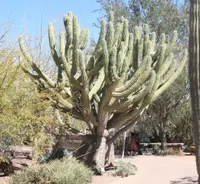
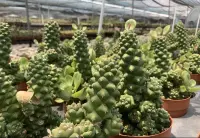
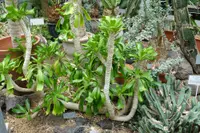
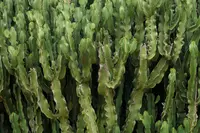
Euphorbia poissonii is a succulent shrub from arid regions of West Africa, especially northern Nigeria. It forms upright, thick, spine-covered stems with few or no true leaves, giving it a strong architectural look.

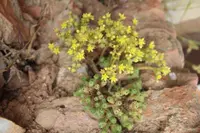
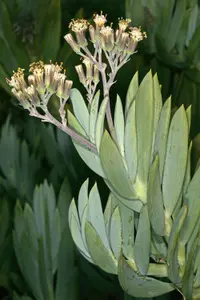
This species produces small, inconspicuous flowers on the stem tips and exudes a very caustic white sap when damaged. It is sometimes grown by specialists as a barrier plant or curiosity rather than a decorative houseplant.

It is considered challenging, as it demands bright light, warm temperatures, very sharp drainage, and careful handling. Anyone who wants to learn how to care for Euphorbia poissonii should understand its toxicity risks and strict need for dry, well-aerated soil.

Main Plant Requirements

Care Difficulty

Hard Care

Light Preference

Full Sun

Water Requirements

Low Water

Temperature Preference

Tropical / Frost Sensitive

Hardiness Zone

Unknown

Soil Texture

Sandy, Loamy, Rocky

Soil pH

Slightly acidic (6.5–7.0), Neutral (7.0)

Soil Drainage

Well-drained

Fertilization

Minimal (feed rarely)

Get Personalized Care Plan

Scan your plant to receive care tips personalized for your specific plant

Available on iOS and Android

How to Care for the Euphorbia poisoni

This species requires strong light but benefits from some protection during the hottest hours.

  • Provide 6–8 hours of direct sun daily, ideally with morning sun and light afternoon shade, especially in hot, arid regions.
  • In very intense climates, use filtered light or 30–40% shade cloth at midday to reduce scorch and stem bleaching on Euphorbia poissonii.
  • If stems elongate, lean, or turn pale green, light is insufficient; gradually increase sun exposure over 1–2 weeks to prevent sunburn.

This drought-tolerant succulent prefers thorough but infrequent watering in fast-draining soil.

  • Allow the top 3–5 cm of soil to dry completely before watering; in hot, dry weather this may mean watering every 10–21 days, less often in cool seasons.
  • Use gritty, very free-draining soil so water runs through quickly; standing water or compacted soil greatly increases root rot risk.
  • Reduce watering sharply in cooler months; shriveling stems suggest mild underwatering, while yellowing, soft, or blackened bases indicate overwatering in Euphorbia poissonii.

This plant thrives in warm, dry conditions and is sensitive to cold and frost.

  • Aim for 70–90°F (21–32°C) during active growth; short periods up to 100°F (38°C) are tolerated if soil is dry and airflow is good.
  • Protect from cold below 50°F (10°C); tissue damage often starts around 40°F (4°C), and frost at 32°F (0°C) or below can kill exposed tips.
  • In regions with cool winters, keep plants in the warmest, driest microclimate available and avoid sudden temperature swings between day and night.

This species tolerates a wide humidity range and rarely needs special humidity management indoors.

  • Aim for 30–50% relative humidity, similar to most heated homes, without deliberate boosting.
  • Dry air is usually tolerated, but combined with heat it can cause slight leaf edge browning or tip dieback.
  • If air is extremely dry, place the pot away from heating vents or use a nearby tray of water and pebbles to gently raise local humidity.

This species needs very fast-draining, mineral soil that mimics arid, rocky habitats.

  • Use a gritty mix such as 50–60% inorganic components (pumice, coarse sand, or perlite) blended with 40–50% cactus potting mix.
  • Ensure water runs through freely and the mix dries quickly; avoid any soil that stays wet or feels heavy after 1–2 days.
  • Target slightly acidic to neutral pH around 6.0–7.0, which most commercial cactus mixes already provide.
  • Add extra pumice or coarse sand to standard cactus soil to improve aeration and prevent root rot in Euphorbia poissonii.

This species is suitable for container growing, especially in regions with cold or wet winters.

  • Choose a heavy clay or ceramic pot so the spiny, upright stems do not tip the container in wind or when handled.
  • Select a pot only 2–4 cm wider than the root ball to keep the soil volume small and drying reliably.
  • Elevate the container slightly on feet or bricks so drainage holes stay clear and excess water exits quickly after rainfall or watering.

This drought-adapted species needs only light feeding in cultivation.

  • Apply a balanced liquid fertilizer at 1/4–1/2 strength every 6–8 weeks during spring–summer growth.
  • Use a low-organic, gritty mix rather than rich compost to avoid soft, weak tissues in Euphorbia poissonii.
  • Skip feeding in late fall and winter when growth slows or stops.
  • Always water lightly before fertilizing to reduce root burn risk.

Pruning is used mainly to control size and remove damaged growth on this shrubby euphorbia.

  • Best time is late winter to early spring, before strong new growth starts.
  • Remove dead, diseased, or crossing stems to maintain an open, stable framework.
  • Shorten overly long shoots to shape the plant and balance top growth with the root system.
  • Use sharp, disinfected pruners and avoid sap contact with skin and eyes.

Container-grown plants benefit from infrequent but careful repotting or transplanting.

  • Repot every 3–4 years, or when roots circle the pot base or emerge from drainage holes.
  • Schedule repotting in late spring, when active growth helps Euphorbia poissonii re-establish more quickly.
  • Choose a slightly larger pot with a deep, fast-draining mineral substrate to limit waterlogging.
  • Handle the root ball gently, disturb roots as little as possible, and withhold water for 2–3 days afterward.

Propagation is possible but should be approached cautiously due to the toxic, irritating latex sap.

  • Use semi-ripe stem cuttings taken in late spring–summer as the primary method.
  • Allow cut surfaces to dry and callus for several days in shade before planting in a gritty, sterile mix.
  • Provide bright, indirect light, warm temperatures around 70–80°F, and very sparing moisture while rooting.
  • Wear gloves, protect eyes, and avoid latex contact with skin throughout all handling steps.

This species is highly frost-sensitive and requires warm, dry winter conditions.

  • In regions below 50°F, grow Euphorbia poissonii in containers that can be moved indoors for winter.
  • Keep plants above 55°F and maintain a dry substrate, watering only enough to prevent shriveling.
  • Outdoors in mild climates, use a deep, gritty, well-drained bed to reduce cold, wet root stress.
  • Avoid overhead watering during cool periods to limit rot in stems and roots.

Care Tips

Safety-first handling

Always wear nitrile gloves and eye protection when cutting or repotting, and keep absorbent paper towels ready so any milky sap can be blotted immediately and the wound sealed with dry sand or horticultural charcoal.

Controlled branching

If a plant is getting too tall and sparse, make one clean cut on the main stem in late spring, then allow only 2–3 of the strongest new shoots to develop so the plant keeps a stable, compact form.

Root zone restriction

Choose a pot that is only 2–4 cm wider than the root ball and avoid frequent up-potting, since mild root crowding encourages sturdier, slower growth that is less likely to topple or split.

Tilt and lean prevention

If stems lean toward the light and destabilize the plant, rotate the container 90° every 2–3 weeks and top-dress with a ring of coarse gravel to add weight and reduce the risk of tipping.

Targeted pest checks

Inspect the base of stems and leaf scars every month for mealybugs or scale, and if found, spot-treat only the affected areas with a cotton swab dipped in isopropyl alcohol instead of spraying the whole plant, which is usually sufficient when caring for Euphorbia poissonii.

Common Pests and Diseases

Spider mites

This pest thrives on Euphorbia species kept in hot, dry conditions, feeding on sap and causing stippled, faded patches on stems and leaves. Symptoms include fine webbing in crevices and a dull, dusty appearance on the plant surface.

Solution

Increase humidity around the plant without wetting the stems constantly, then rinse the plant thoroughly with a strong but controlled stream of water to dislodge mites. Follow with repeated treatments of insecticidal soap or neem oil on all surfaces every 5–7 days until no new damage appears, while isolating the plant from others during treatment.

Mealybugs

These insects hide in stem joints and around spines, where they appear as white, cottony clumps that weaken the plant by sucking sap. Symptoms include sticky honeydew, distorted new growth, and slow decline in vigor.

Solution

Physically remove visible clusters with cotton swabs dipped in 70% isopropyl alcohol, taking care not to damage the plant’s skin. For heavier infestations, use repeated applications of insecticidal soap or neem oil, ensuring good coverage of crevices, and quarantine the plant until no further mealybugs are seen.

Fungal stem canker

This disease affects damaged or poorly healed stem tissue, especially where Euphorbia’s latex sap has dried after injury in humid or wet conditions. Symptoms include sunken, dark, or corky patches on stems that may slowly expand and weaken segments.

Solution

Cut out affected stem sections well into healthy green tissue using a sterile, very sharp knife, and allow the latex to dry in a clean, shaded, well-ventilated place. Reduce watering, keep humidity moderate, avoid overhead wetting, and disinfect tools and any surfaces that contacted diseased tissue to prevent spread while following Euphorbia poissonii care instructions that emphasize keeping wounds dry.

Interesting Facts

Highly toxic latex

This species produces an extremely irritant white latex that has been documented to cause severe eye inflammation and even temporary blindness on contact, especially among people handling it in its native range in northern Nigeria.

Chemical defense compounds

Its latex contains complex diterpenoid esters, a group of organic molecules known to strongly deter herbivores and cause intense pain, which is why local people traditionally treat the plant with great caution.

Localized native range

It is naturally restricted to rocky and savanna habitats in parts of northern Nigeria, where it often grows on exposed sites with intense sun and poor, well-drained soils.

Botan icon

Did you know?

Ethnobotanical reports from northern Nigeria describe the sap of this species being used historically as a component of arrow poisons and in boundary or protective plantings, reflecting how strongly local communities recognize and respect its toxicity.

FAQs about Euphorbia poisoni

Yellowing usually comes from root stress, often due to compacted soil, cold damage, or older leaves aging out. Check for mushy roots, improve drainage, and remove only fully yellow, dry leaves with clean tools.

Grow Healthy Plants with Botan Care

Keep your plants happy and healthy with plant identification, disease detection, and easy care guidance.

Botan plant care app — identify plants on mobile

Explore More Plants