Rotate For Symmetry
Turn the pot 90° every 2–3 weeks so all rosettes receive similar light, which keeps the clump balanced and prevents the plant from leaning heavily to one side.

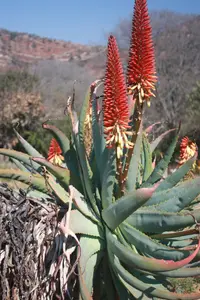
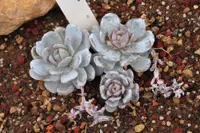
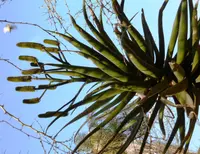
Blue krantz aloe, Aloe mutabilis, is a medium to large succulent shrub from South Africa’s coastal and inland slopes. It forms upright, branching stems topped with dense rosettes of blue-green, often slightly curved leaves with small marginal teeth.
In season, it produces tall, multi-branched flower spikes with tubular red to yellow blooms that attract pollinators. The plant is adapted to strong sun, seasonal dryness, and rocky, well-drained soils, which makes it relatively forgiving in cultivation.
These drought-tolerant traits mean it suits low-maintenance landscapes and large containers, as long as excess moisture is avoided. Understanding how to care for blue krantz aloe starts with providing bright light, infrequent watering, and sharply draining soil.

Care Difficulty
Easy Care

Light Preference
Full Sun

Water Requirements
Low Water

Temperature Preference
Warm Climate

Hardiness Zone
9–11

Soil Texture
Sandy, Loamy, Rocky

Soil pH
Slightly acidic (6.5–7.0), Neutral (7.0)

Soil Drainage
Well-drained

Fertilization
Minimal (feed rarely)
Scan your plant to receive care tips personalized for your specific plant
Available on iOS and Android
Aloe mutabilis prefers bright, dry conditions that mimic its native habitat.
This species needs infrequent, deep watering and fast-drying soil to prevent root problems.
This aloe prefers warm, dry conditions and is sensitive to hard frost.
Humidity is rarely a concern for Aloe mutabilis, which prefers dry air and typical indoor ranges around 30–50%
This succulent needs a fast-draining, gritty mix to prevent root rot and support healthy growth
This species is well suited to container growing when the pot supports its spreading, sometimes top-heavy rosettes
Aloe mutabilis benefits from light, targeted feeding rather than heavy fertilization.
Pruning Aloe mutabilis focuses on hygiene and maintaining a tidy, well-shaped rosette.
Container-grown Aloe mutabilis needs infrequent but careful repotting to prevent root congestion and rot.
Aloe mutabilis is most often propagated by removing offsets, with seeds used mainly for larger-scale growing.
Winter care for Aloe mutabilis aims to keep the plant dry, cool, and frost-free.

Plant Health Check
Not sure what's wrong with your plant? Check your plant's health inside the app.
In the wild, this species often grows on sandstone cliffs and rocky slopes in South Africa, anchoring itself into crevices where many other succulents cannot persist.
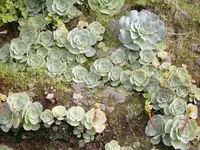
Plants form large colonies that can flower simultaneously, creating dense stands of tall red-to-yellow flower spikes that are highly visible in their native landscape and attract many nectar-feeding birds.
The species name mutabilis refers to its variable flower color, which can shift from deep red in bud to orange or yellow as the flowers open along the inflorescence.

Aloe mutabilis is a key nectar source for South African sunbirds during its blooming season, and the tubular flowers are shaped and positioned in a way that fits the birds’ beaks, promoting efficient pollination while they feed.
Lack of flowering is usually due to insufficient light, a pot that is too small, or a plant that is still immature. Cool, bright winter conditions and avoiding heavy summer feeding usually encourage better flower production.
Keep your plants happy and healthy with plant identification, disease detection, and easy care guidance.