Aeonium diplocyclum Care

Aeonium diplocyclum

About Aeonium diplocyclum

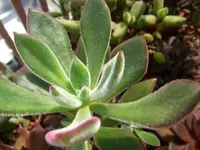
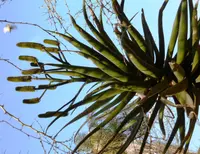
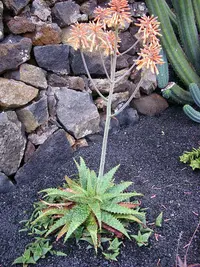
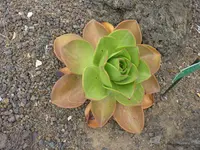
Aeonium diplocyclum is a small, rosette-forming succulent from the Canary Islands, valued for its tidy growth and compact size. It usually stays low and forms flat, rounded rosettes of fleshy leaves on short stems.

The plant prefers bright, dry conditions and a coarse, very well-drained soil, similar to other drought-tolerant succulents. It grows slowly and stays relatively small, which makes it suitable for containers and windowsills.

Its main demands are strong light, careful watering, and protection from prolonged frost. These traits make it moderately easy to grow for those who learn how to care for Aeonium diplocyclum and avoid overwatering.

Main Plant Requirements

Care Difficulty

Moderate Care

Light Preference

Full Sun

Water Requirements

Low Water

Temperature Preference

Tropical / Frost Sensitive

Hardiness Zone

10–11

Soil Texture

Sandy, Loamy, Rocky

Soil pH

Slightly acidic (6.5–7.0), Neutral (7.0)

Soil Drainage

Well-drained

Fertilization

Minimal (feed rarely)

Get Personalized Care Plan

Scan your plant to receive care tips personalized for your specific plant

Available on iOS and Android

How to Care for the Aeonium diplocyclum

Compact rosettes of this succulent need bright, gentle light to keep their shape and color.

  • Provide 4–6 hours of direct morning sun with bright, filtered light the rest of the day; avoid harsh, exposed afternoon sun in hot, inland areas.
  • Tolerates light partial shade, but Aeonium diplocyclum grown in less than 3–4 hours of sun may stretch, pale, and form weak stems.
  • In summer heatwaves, move to bright shade or use 30–40% shade cloth to prevent leaf scorch; in winter, maximize sun exposure to support growth.

This species prefers infrequent, thorough watering that allows the soil to dry between soakings.

  • Water only when the top 3–5 cm of soil are completely dry, then soak the root zone and let excess drain away quickly.
  • Reduce watering sharply in summer dormancy, giving just enough to prevent shriveling leaves; increase slightly during active growth in cooler months.
  • Watch for mushy stems, black leaf bases, or a sour smell as signs of overwatering, and for thin, wrinkled leaves and very light pots as signs of underwatering in Aeonium diplocyclum.

This succulent favors mild, frost-free conditions and struggles with sustained extremes.

  • Aim for 60–75°F (16–24°C) during active growth for compact rosettes and steady development.
  • Protect from frost; growth slows below 50°F (10°C), and tissue damage often occurs near 32°F (0°C), especially in prolonged cold or wet soil.
  • Tolerates short spikes up to about 90°F (32°C) if shaded and well ventilated, but in hot, dry periods it may go semi-dormant and needs reduced watering to avoid root rot.

This succulent prefers dry air and rarely suffers from low indoor humidity.

  • Target 30–50% humidity, similar to most heated homes, for stable growth.
  • Dry air is tolerated well; avoid placing the plant in persistently steamy kitchens or bathrooms.
  • Humidity stress shows as soft, swollen leaves or rot at the rosette center; increase air movement rather than adding moisture.

Aeonium diplocyclum needs a sharply draining, mineral-rich substrate to prevent root rot.

  • Use a gritty succulent mix: 50–70% inorganic materials such as pumice, perlite, or coarse sand blended with 30–50% lean potting mix.
  • Aim for slightly acidic to neutral soil, around pH 6.0–7.0, to keep nutrients available without encouraging rot.
  • Improve aeration by avoiding fine peat-heavy mixes that compact; instead, add 5–10 mm grit or lava rock to increase pore space.
  • Avoid water-retentive clay soils, unamended garden soil, or containers without fast drainage, which keep roots wet for too long.

This species is well suited to container growing.

  • Choose a wide, shallow pot to match its relatively shallow roots and spreading rosettes, which also reduces tipping risk.
  • Select unglazed terracotta if extra evaporation is needed in cooler or less sunny locations to avoid prolonged wetness around roots.
  • Elevate the pot slightly on pot feet or stones so drainage holes stay clear and excess water exits quickly during rain or heavy watering.

This compact succulent benefits from light feeding in its active season but is sensitive to excess nutrients.

  • Use a diluted balanced liquid fertilizer (around 10-10-10) at 1/4–1/2 strength during spring and early summer when Aeonium diplocyclum is actively growing.
  • Apply fertilizer every 4–6 weeks, only to already moist soil, to reduce root burn risk.
  • Avoid slow-release pellets that can overwhelm the shallow root system in small pots.
  • Stop feeding in late summer dormancy and through winter, resuming only when clear new growth appears.

This species needs minimal pruning, mainly to keep rosettes tidy and healthy.

  • Best time to prune Aeonium diplocyclum is late winter to early spring, just before strong new growth starts.
  • Use clean, sharp scissors or small pruning shears to remove dead, damaged, or shriveled leaves at the base of rosettes.
  • Cut back weak, leggy stems above a node to encourage a more compact, branching form.
  • Remove spent flower stems completely once they dry, reducing disease risk and improving appearance.

Container-grown plants appreciate occasional repotting to refresh soil and manage root crowding.

  • Repot every 2–3 years or when roots circle the pot, drainage slows, or growth stalls despite proper light.
  • Plan to move Aeonium diplocyclum in late winter or early spring, before peak growth, to limit transplant shock.
  • Choose a pot only 2–3 cm wider with fast-draining cactus or succulent mix, and gently loosen circling roots.
  • After repotting, keep in bright shade for 5–7 days, watering lightly to let any damaged roots heal.

This succulent is commonly propagated from stem cuttings rather than seed in home collections.

  • Take 5–8 cm stem cuttings with a full rosette from healthy Aeonium diplocyclum in late winter or spring.
  • Let cut surfaces dry and callus for 3–7 days in a shaded, airy place to lower rot risk.
  • Plant cuttings in a gritty, barely moist succulent mix and keep at 65–75°F with bright, indirect light.
  • Water sparingly until firm resistance indicates rooting, then gradually increase light to encourage compact growth.

This succulent is not frost hardy and needs protection in regions with cold winters.

  • Avoid exposure below about 32°F; brief light frost may scar rosettes and can kill roots in wet soil.
  • Move containers indoors or into a cool, bright greenhouse before night temperatures drop toward freezing.
  • Use a very free-draining mix and reduce watering, keeping soil just barely dry to prevent cold, wet root rot.
  • In mild climates, grow Aeonium diplocyclum in pots so winter relocation is simple when temperatures fall.

Care Tips

Rotate for symmetry

Turn the pot 90° every 1–2 weeks during active growth so the rosette develops evenly and does not lean permanently toward the light source.

Summer dormancy adjustment

In hot, dry summers reduce watering and move the plant to a slightly cooler, bright spot to respect its partial dormancy and prevent the rosette from shrinking excessively.

Protect shallow roots

Use a wide, shallow pot and avoid deep cultivation or frequent repotting so the delicate, surface-rooting system is not disturbed.

Winter light boost

In low-light winters, supplement natural light with a small LED grow light positioned 20–30 cm above the rosette for 8–10 hours to maintain compact growth and prevent stretching.

Monitor rosette density

Inspect the tight leaf rosette regularly for trapped debris or mealybugs and use a soft brush or a gentle stream of water to clean between leaves before pests or rot establish, which is key when caring for Aeonium diplocyclum.

Common Pests and Diseases

Mealybugs

This pest hides in leaf rosettes and stem joints, sucking sap and causing stunted growth, distorted new leaves, and sticky honeydew. Symptoms include cottony white clusters deep in the rosette and at the stem base.

Solution

Isolate the plant, then dab visible insects with cotton swabs dipped in 70% isopropyl alcohol and repeat weekly until no new clusters appear. For heavier infestations, rinse the rosette thoroughly with a strong but gentle stream of water, allow it to dry fast, and use a systemic insecticide labeled for succulents if mealybugs continue to reappear.

Aeonium mite damage

This pest, often an eriophyid or broad mite, targets tight rosettes and young growth, leading to misshapen, hardened, or tufted centers that fail to open normally. Symptoms include rough, scabby tissue and rosettes that stay small and distorted despite otherwise normal care.

Solution

Remove and discard severely deformed rosettes and avoid propagating from affected material. Improve air movement around the plant, keep it stress-free with bright light and correct watering, and use a miticide specifically labeled for eriophyid or broad mites, applying as directed and repeating as needed to cover new growth cycles.

Soft scale

These insects attach along stems and leaf undersides, appearing as small, smooth bumps that excrete honeydew and lead to sooty mold on the fleshy leaves. This pest weakens the plant over time, making rosettes smaller and less vigorous.

Solution

Gently scrape off individual scales with a fingernail or soft brush and wipe stems with a cloth lightly moistened with 70% isopropyl alcohol. In cases with many insects, combine mechanical removal with a systemic insecticide and keep the plant in bright, airy conditions to reduce reinfestation risk.

Crown rot

This disease affects the tight central rosette when moisture sits in the crown for too long, especially in cool, low-light conditions, causing browning and collapse of the center leaves. Symptoms include a mushy or dark base in the rosette while outer leaves may still look relatively intact at first.

Solution

At the first sign of rot, remove all soft, discolored tissue with a sterile blade and allow remaining healthy parts to dry quickly in a warm, bright, airy spot. Adjust watering to keep the rosette dry, avoid overhead watering, and use a very fast-draining succulent mix; in advanced cases, take cuttings from healthy, firm tissue to grow Aeonium diplocyclum anew.

Interesting Facts

Island lava specialist

This species is naturally restricted to volcanic areas on the island of Gran Canaria in the Canary Islands, where it often grows in cracks and pockets of weathered lava and tuff with very shallow, fast-draining substrates.

Pancake rosette form

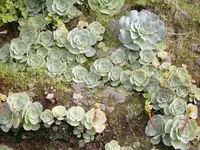
Mature plants form very flat, disc-like rosettes with tightly packed, rounded leaves, giving a distinctive almost perfectly circular outline compared with the more open rosettes of many related Aeonium species.

Summer drought strategy

In its native habitat, it experiences mild, moist winters and hot, dry summers and can slow growth or partially retract leaves during the driest period as a drought-survival strategy typical for Macaronesian winter-growing succulents.

FAQs about Aeonium diplocyclum

This species performs best outdoors in mild, frost-free climates, where it receives bright light and good air movement. Indoors it stays smaller and needs very bright exposure, but Aeonium diplocyclum indoor care is still possible in sunny windows.

Grow Healthy Plants with Botan Care

Keep your plants happy and healthy with plant identification, disease detection, and easy care guidance.

Botan plant care app — identify plants on mobile

Explore More Plants