Bottlebrush Aloe Care (Aloe rupestris)

Bottlebrush Aloe

About Bottlebrush Aloe

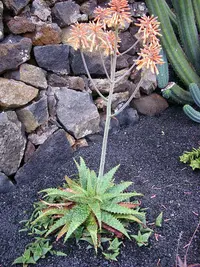
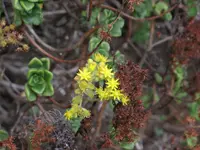
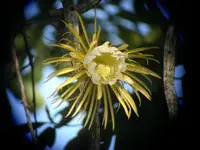
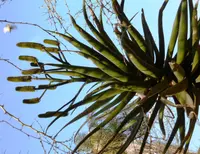
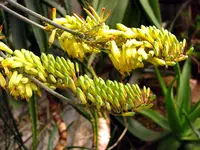
Bottlebrush aloe, Aloe rupestris, is a striking succulent shrub or small tree known for its tall stems topped with dense, brush-like flower spikes in warm colors. Its narrow, arching leaves with small teeth give the plant a strong architectural look that suits modern landscapes and dry gardens.

This species comes from rocky slopes in South Africa and is naturally adapted to sun, heat, and periods of drought. It grows relatively fast for an aloe when given strong light, warmth, and sharply draining soil. For those who want to learn how to care for Bottlebrush Aloe, its main needs are bright exposure, low to moderate watering, and protection from prolonged frost.

Main Plant Requirements

Care Difficulty

Moderate Care

Light Preference

Full Sun

Water Requirements

Low Water

Temperature Preference

Tropical / Frost Sensitive

Hardiness Zone

10–11

Soil Texture

Sandy, Loamy, Rocky

Soil pH

Acidic (5.5–6.5), Slightly acidic (6.5–7.0)

Soil Drainage

Well-drained

Fertilization

Minimal (feed rarely)

Get Personalized Care Plan

Scan your plant to receive care tips personalized for your specific plant

Available on iOS and Android

How to Care for the Bottlebrush Aloe

This succulent prefers strong light and handles full sun once acclimated.

  • Provide 6–8 hours of direct sun daily outdoors; morning sun with light afternoon shade reduces leaf scorch in hot regions.
  • Young or recently moved Bottlebrush Aloe plants need 2–3 weeks of gradual exposure to full sun to prevent bleaching or brown patches.
  • In winter, shorter days are acceptable, but growth slows; avoid dense shade, which causes stretched, weak leaves and poor flowering.

This species is drought-tolerant and prefers infrequent, deep watering.

  • Allow the top 3–5 cm of soil to dry completely before watering; the root zone should not stay constantly wet.
  • Use very fast-draining, gritty soil so excess water runs out quickly; standing water around roots increases risk of rot in Aloe rupestris.
  • In warm active growth, water when leaves begin to feel slightly less firm; in cool seasons, reduce frequency sharply and watch for mushy leaves as a sign of excess moisture.

This aloe prefers warm, dry conditions with protection from frost.

  • Ideal growing temperatures are 70–85°F (21–29°C); growth slows below about 60°F (16°C).
  • Mature plants can briefly tolerate down to about 30–32°F (-1–0°C) if dry, but repeated frost damages leaves and can kill the crown.
  • In hot spells above 95°F (35°C), provide airflow and some afternoon shade; avoid heat reflected from walls or paving that can overheat roots.

This species prefers dry air and does not need elevated humidity.

  • Target 30–50% relative humidity, similar to typical indoor conditions in many homes.
  • Bottlebrush Aloe tolerates drier air well but may show humidity stress as soft, pale, or slightly translucent leaves combined with overwatering damage.
  • If air is extremely dry and heating is intense, group succulents together and keep the plant away from heat vents rather than misting.

Aloe rupestris needs a very fast-draining, mineral-rich substrate to prevent root rot.

  • Use a cactus/succulent mix amended with extra coarse sand, pumice, or perlite to create a gritty, airy texture.
  • Aim for slightly acidic to neutral pH around 6.0–7.0, avoiding strongly acidic or alkaline blends that restrict nutrient availability.
  • Ensure water drains through in seconds, not minutes; if it lingers, lighten the mix with more mineral grit and reduce fine peat content.
  • Avoid dense, clay-heavy, or water-retentive soils, since these fill air spaces around roots and greatly increase rot risk.

This aloe is suitable for container growing when the pot supports its eventual height and weight.

  • Choose a wide, heavy pot to counter the top-heavy stem and prevent tipping in wind or on balconies.
  • Select a container material like unglazed terracotta if extra evaporation is needed, as it helps the gritty mix dry faster between waterings.
  • Leave a clear gap between soil surface and rim so infrequent but deep watering can drain quickly without pooling around the stem.

Aloe rupestris grows well in lean soil but benefits from light feeding in containers or poor ground.

  • Use a balanced liquid fertilizer (around 10-10-10 or 20-20-20) diluted to 25–50% strength during active growth in spring–summer.
  • Apply every 4–6 weeks for potted plants; in-ground plants in decent soil often need no extra feeding.
  • Avoid high-nitrogen lawn or foliage fertilizers that encourage weak, elongated growth.
  • Stop feeding in fall–winter when growth slows, and never fertilize severely drought-stressed plants.

Pruning Aloe rupestris is mainly hygienic, keeping the plant tidy and safe from rot.

  • Best time is late winter to early spring, before strong new growth starts.
  • Remove dead, damaged, or diseased leaves at the base with clean, sharp pruners or a knife.
  • Thin out crowded lower leaves only if needed to improve airflow and reduce moisture retention.
  • Cut spent flower stalks down to the base once they dry, which helps maintain a clean outline.

Bottlebrush Aloe tolerates being slightly root-bound but benefits from occasional transplanting for stability and vigor.

  • Check for roots circling the pot, bulging container sides, or slowed growth as signs it needs a larger space.
  • Plan repotting or transplanting in late spring, every 3–5 years for containers or when the plant becomes top-heavy.
  • Choose a pot just 2–5 cm wider, using a fast-draining cactus/succulent mix to limit waterlogging stress.
  • Handle the root ball gently, allow minor root wounds to dry briefly, then water lightly and keep shaded for 5–7 days.

Propagation of Aloe rupestris is usually done from offsets or seeds under warm, bright conditions.

  • Detach well-formed offsets in late spring–summer, allowing cut surfaces to callus for 2–3 days before planting in dry mix.
  • Use a gritty, fast-draining medium and keep it just barely moist to reduce rot risk during rooting.
  • For seeds, sow on the surface of a sterile succulent mix, keep at 70–80°F, and provide bright, indirect light.
  • Maintain good airflow and avoid overwatering until strong roots and new leaf growth are visible.

Winter care for Aloe rupestris focuses on avoiding freezing damage and prolonged cold, wet soil.

  • Treat it as frost-sensitive; sustained temperatures below 30°F can damage foliage and stems.
  • Move container plants indoors or into a bright, cool, frost-free space before hard frosts.
  • In mild-winter climates, use a light, dry mulch around the root zone, keeping mulch away from the stem base.
  • Water sparingly in winter, letting soil dry almost completely between waterings to prevent cold-related root rot.

Care Tips

Stabilize Tall Stems

As the stem elongates and becomes top-heavy, plant it in a wide, heavy pot and top-dress with coarse gravel or rocks to anchor the root zone and prevent the plant from tipping in strong wind.

Rotate For Even Form

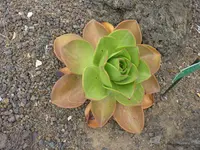
Turn the container 90° every 2–3 weeks during active growth so the rosette develops evenly and does not lean permanently toward the strongest light source.

Encourage Basal Offsets

After the plant is well established, lightly score the soil surface around the base with a clean knife and avoid deep planting, which can encourage production of basal offsets that create a fuller clump over time.

Safe Outdoor Acclimation

When moving a plant from indoors to full sun, increase light exposure gradually over 10–14 days by first placing it in bright shade, then brief morning sun, to reduce leaf scorch while growing Bottlebrush Aloe in containers.

Monitor Structural Age

Inspect the trunk annually for corky cracks or wobble at the soil line, and if the plant becomes unstable, re-pot slightly deeper with fresh gritty mix and remove any dead lower leaves that add wind resistance.

Common Pests and Diseases

Aloe mite

This pest causes distorted, swollen, or cauliflower-like growths on leaves and flower stalks, often with rough or warty surfaces. Symptoms include abnormal rosettes and sometimes reddish or brownish tissue in the galls.

Solution

Remove and discard all affected leaves or entire rosettes with clean, sterilized tools, cutting well into healthy tissue, then dispose of waste in the trash, not compost. Isolate the plant, improve spacing and airflow, and in severe or spreading cases use a miticide labeled for eriophyid mites, following label directions carefully.

Aloe cancer

This disease describes abnormal, tumorous growths often linked to aloe mite damage, with lumpy, irregular masses forming on leaf edges, centers, or inflorescences. Symptoms include thickened, contorted tissue that does not return to normal even if mites are removed.

Solution

Cut out all distorted growth well back into firm, normal tissue and destroy the removed parts. Maintain strong light, avoid excess nitrogen fertilizer, keep the plant dry between waterings, and if growths continue to reappear, consider discarding the plant to protect other aloes nearby.

Aloe rust

This disease produces round to irregular yellow spots on upper leaf surfaces that turn brown, with corresponding black or dark brown pustules underneath. Symptoms include weak, discolored leaves that may dry out prematurely in humid or poorly ventilated conditions.

Solution

Remove and discard affected leaves to reduce spore spread, then keep foliage dry and improve airflow around the plant. Reduce overhead watering, space plants apart, and if conditions remain humid, use a sulfur or copper-based fungicide suitable for succulents, applied strictly according to label instructions.

Scale insects

These insects appear as small, hard, tan to brown bumps along leaf bases and stems, often clustered where leaves meet the trunk. This pest feeds on sap, causing yellowing, loss of vigor, and sticky honeydew that can attract sooty mold.

Solution

Gently scrape or wipe off visible scale with a cotton pad dipped in isopropyl alcohol, repeating weekly until no new insects appear. For larger plants, combine manual removal with a systemic insecticide labeled for ornamental succulents and support recovery by keeping the plant in high light with infrequent, deep watering.

Aloe aphid

This pest is a specialized aphid that gathers on aloe flower stalks, buds, and sometimes young leaf centers, forming dense greenish or dark colonies. These insects excrete sticky honeydew, which encourages black sooty mold on leaves and can weaken flower production.

Solution

Prune off heavily infested flower stalks and dispose of them, then rinse remaining stems and leaves with a firm stream of water to dislodge aphids. Follow with spot treatment using insecticidal soap or neem oil on new colonies, applying in the early morning or evening and repeating every 5–7 days until the infestation is controlled.

Interesting Facts

Distinct bottlebrush inflorescences

This species develops tall, unbranched flower spikes lined with many closely spaced tubular flowers that give a strong bottlebrush appearance, which is why it is commonly called bottlebrush aloe.

Tree-form aloe habit

Unlike many small, stemless aloes, this species develops a tall, woody trunk that can reach several meters in its native habitat, giving it a small tree or palm-like silhouette with a tuft of leaves at the top.

Rocky slope specialist

In the wild, this species typically grows on rocky slopes and outcrops in KwaZulu-Natal and neighboring regions of South Africa, anchoring into crevices where drainage is extremely fast.

Botan icon

Did you know?

In its native range, this species often flowers in late winter to spring at a time when nectar is especially valuable to sunbirds, and its brightly colored bottlebrush-like flower spikes are closely associated with bird pollination in these ecosystems.

FAQs about Bottlebrush Aloe

Lack of flowers usually comes from insufficient maturity, light, or cool-season rest. This species often needs several years to bloom, strong sun, and a dry, cooler winter. Consistent Aloe rupestris care encourages regular flowering on established plants.

Grow Healthy Plants with Botan Care

Keep your plants happy and healthy with plant identification, disease detection, and easy care guidance.

Botan plant care app — identify plants on mobile

Explore More Plants