Aeonium nobile Care

Aeonium nobile

About Aeonium nobile

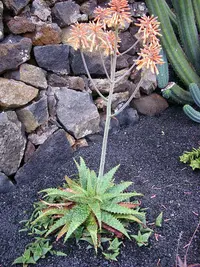
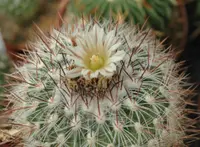
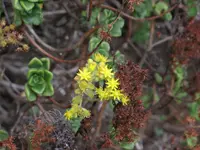
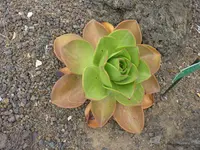
Aeonium nobile is a rosette-forming succulent from the Canary Islands, known for its large, flat rosettes of thick, spoon-shaped leaves. Mature plants can develop tall flower stalks with dense clusters of small, star-like flowers, then often decline after blooming.

This species is adapted to bright, dry, rocky habitats, which makes it relatively tolerant of sun and brief drought once established. Its slow growth and tendency to form a single main rosette mean it needs protection from overwatering and rot.

In cultivation, it prefers bright light, fast-draining gritty soil, and careful watering, which shapes how to care for Aeonium nobile in containers or outdoor dry gardens.

Main Plant Requirements

Care Difficulty

Moderate Care

Light Preference

Full Sun

Water Requirements

Low Water

Temperature Preference

Tropical / Frost Sensitive

Hardiness Zone

9–11

Soil Texture

Sandy, Loamy, Rocky

Soil pH

Slightly acidic (6.5–7.0), Neutral (7.0)

Soil Drainage

Well-drained

Fertilization

Minimal (feed rarely)

Get Personalized Care Plan

Scan your plant to receive care tips personalized for your specific plant

Available on iOS and Android

How to Care for the Aeonium nobile

This succulent needs strong light but benefits from protection during intense midday sun.

  • Provide 4–6 hours of direct morning sun plus bright light the rest of the day to keep rosettes compact and colored.
  • Allow light afternoon shade in hot, dry climates to prevent leaf scorch and faded pigments on Aeonium nobile.
  • During winter, place in the sunniest spot available and avoid deep shade, which causes stretching, weak stems, and sparse foliage.

Watering should balance drought tolerance with this succulent’s shallow root system.

  • Allow the top 3–5 cm of soil to dry before watering, then soak thoroughly so excess drains away and the root zone is evenly moist, not soggy.
  • Reduce watering sharply in summer dormancy when growth slows; resume slightly more frequent watering in cooler, active growth seasons.
  • Watch for yellow, mushy leaves or a sulfur smell as overwatering signs, and for wrinkled, limp leaves and very light pots as underwatering indicators.

This species prefers mild, frost-free conditions year-round.

  • Aim for 60–75°F (16–24°C) for best growth, avoiding rapid swings that can stress tissues and slow new leaf formation.
  • Protect from frost; growth stops below about 40°F (4°C), and prolonged exposure near 32°F (0°C) can damage rosettes and roots.
  • In hot weather above 85–90°F (29–32°C), provide light afternoon shade and good air movement to limit heat stress and sunburn.

This species handles typical indoor humidity and rarely needs adjustment.

  • Target 30–50% humidity, as Aeonium nobile is adapted to relatively dry, airy conditions.
  • Dry indoor air is usually tolerated, but combined with heat it can cause leaf edge browning and shriveling.
  • If air is extremely dry, increase humidity slightly by grouping plants together rather than misting, which can encourage rot.

Aeonium nobile needs a sharply drained, airy mix that dries quickly between waterings.

  • Use a gritty, sandy mix such as 50–70% mineral material (pumice, coarse perlite, or grit) blended with 30–50% cactus potting mix.
  • Ensure the structure is loose and crumbly, allowing water to run through in seconds and roots to access air pockets easily.
  • Aim for slightly acidic to neutral pH, around 6.0–7.0, avoiding strongly acidic or alkaline substrates that may limit nutrient uptake.
  • Avoid peat-heavy, compact, or water-retentive mixes; lighten them with extra pumice or coarse sand until they no longer clump when squeezed.

This species is well suited to container growing when the pot supports its shallow, spreading root system and rosette weight.

  • Choose a wide, relatively shallow pot to match the lateral root spread and keep the plant stable as the rosette enlarges.
  • Select a heavy material such as terracotta or ceramic to counterbalance the tall, top-heavy rosette and reduce tipping outdoors.
  • Use containers with large, unobstructed drainage holes so excess water exits within seconds, preventing water from pooling at the base.

This succulent needs only light feeding to maintain compact, healthy growth.

  • Use a low-dose balanced liquid fertilizer (around 10-10-10) diluted to 25–50% strength for Aeonium nobile during active growth.
  • Feed every 4–6 weeks in spring and early summer, only on moist soil to avoid root burn.
  • Skip or very lightly feed during summer dormancy and winter, as growth slows sharply.
  • Organic compost blended sparingly into a gritty mix once a year can support growing Aeonium nobile without overfeeding.

Pruning is minimal and mainly helps maintain form and remove damaged tissue.

  • Best time to prune Aeonium nobile is late winter to early spring, just before strong new growth.
  • Use clean, sharp scissors or pruning shears to remove dead, dried, or rotting leaves from the rosette base.
  • Trim leggy side shoots if needed to keep a balanced shape and prevent top-heavy stems.
  • Remove spent flower stalks at the base after blooming, as the main rosette usually dies afterward.

Repotting or transplanting is infrequent and should focus on preserving the root system.

  • Check for roots circling the pot, reduced drainage, or slowed growth as signs Aeonium nobile needs a larger container.
  • Plan repotting for late winter or early spring, about every 2–3 years, before the main growth phase.
  • Choose a slightly larger pot with excellent drainage and a gritty succulent mix to limit waterlogging stress.
  • Gently loosen circling roots, keep as much soil around them as possible, and water lightly after moving to reduce shock.

Propagation is usually done from cuttings or seeds under warm, bright conditions.

  • Take healthy rosette or stem cuttings of Aeonium nobile in late spring, then air-dry 2–5 days until callused.
  • Place cuttings in a fast-draining, barely moist succulent mix and keep in bright, indirect light for rooting.
  • Sow fresh seeds on the surface of a sterile, gritty mix, lightly pressing in without burying deeply.
  • Maintain 65–75°F, good airflow, and low to moderate moisture until roots or seedlings are well established.

Cool, dry winter care is important, especially in regions with frost.

  • Aeonium nobile is frost-sensitive and should be kept above 32°F, ideally 40–50°F in winter.
  • Move containers indoors or into a bright, frost-free greenhouse before nighttime freezes arrive.
  • In the ground, use a gritty, well-drained site and apply a thin gravel mulch to protect the crown.
  • Reduce watering significantly in winter to prevent root rot in cold, slow-drying soil.

Care Tips

Summer growth planning

Time any repotting, offsets removal, or structural adjustments for late spring to early summer when the plant is actively growing, so wounds callus faster and roots reestablish more reliably.

Wind and weight support

In exposed patios or balconies, use a wide, heavy container and top-dress with coarse gravel to stabilize the shallow root system and reduce the risk of rosette breakage from strong wind or the plant’s own weight.

Controlled offset removal

When removing offsets, use a sterile, sharp blade and leave a small collar of tissue on the mother stem, then air-dry cut surfaces for 2–3 days before replanting to reduce rot risk.

Summer dormancy protection

During hot, dry dormancy, move the plant to a bright but slightly protected position where reflected heat from walls or paving is reduced, which helps prevent leaf scorch on the outer rosette.

Targeted pest inspection

Inspect tightly packed inner leaves and the stem base every few weeks for mealybugs or scale, using a cotton swab dipped in isopropyl alcohol to spot-treat pests before they spread when caring for Aeonium nobile.

Common Pests and Diseases

Mealybugs

This pest feeds on succulent leaves and stems, often hiding in leaf rosettes and between tightly packed leaves. Symptoms include white cottony clumps, sticky honeydew, and distorted growth.

Solution

Remove visible insects with a cotton swab dipped in 70% isopropyl alcohol, then rinse the plant gently with a strong stream of water. Isolate the plant, repeat alcohol spot-treatments weekly until no new pests appear, and improve air movement and light to reduce reinfestation while following specific Aeonium nobile care instructions.

Aphids

These insects cluster on tender new growth and flower stalks, sucking sap and weakening the rosette. Symptoms include curled or sticky leaves, shiny honeydew, and occasional sooty mold growth on exudates.

Solution

Blast colonies off with a firm stream of water, then treat remaining insects with an insecticidal soap spray, ensuring full coverage of leaf undersides and crevices. Repeat every 5–7 days until under control and avoid overfertilizing, which encourages soft, aphid-prone growth.

Soft scale

This pest appears as small, rounded, tan to brown bumps along stems and leaf bases, where it remains fixed while feeding. Symptoms include sticky honeydew, gradual yellowing, and loss of vigor.

Solution

Gently scrape or rub off visible scale with a cotton pad or soft brush, then spot-treat remaining individuals with 70% isopropyl alcohol. For larger infestations, apply a horticultural oil spray during cooler parts of the day and repeat at 7–10 day intervals while monitoring nearby succulents for spread.

Edema

This disorder occurs when roots absorb water faster than leaves can transpire it, which is common in succulents after sudden overwatering or a cool, wet spell. Symptoms include corky, blisterlike spots on leaves that may turn brown and rough.

Solution

Allow the soil to dry more thoroughly between waterings, especially in cool or low-light conditions, and use a very well-draining gritty mix. Increase light and airflow, water in the morning, and remove only severely damaged leaves, as mild scarring is mostly cosmetic and will not spread once conditions are corrected.

Botrytis blight

This disease is caused by a fungal pathogen that favors cool, humid, stagnant conditions around dense rosettes. Symptoms include soft, grayish-brown spots on leaves and flower stalks that may develop fuzzy gray mold.

Solution

Promptly remove and discard infected leaves or spent flower stalks, cutting back into healthy tissue with a sterile tool. Improve airflow, avoid overhead watering, keep foliage dry at night, and if conditions stay humid, use a copper-based or sulfur fungicide labeled for ornamentals according to label directions.

Interesting Facts

Volcanic cliff specialist

This species is naturally restricted to steep, rocky cliffs on the island of La Palma in the Canary Islands, where it grows in cracks and ledges exposed to strong sun and wind.

Monocarpic rosette life cycle

Aeonium nobile forms a single large rosette that flowers once and then dies, a monocarpic strategy that channels years of stored resources into one massive bloom.

Giant dome-shaped inflorescence

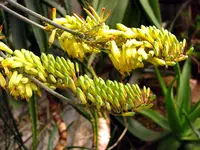
Mature plants can produce a very large, domed cluster of small star-shaped flowers on a thick stalk, making the inflorescence unusually big compared with many other Aeonium species.

Botan icon

Did you know?

Aeonium nobile is considered one of the most robust and structurally massive species in its genus, with particularly thick, rigid leaves and a stout stem that help it withstand intense sunlight and dry, exposed conditions on Atlantic ocean-facing cliffs.

FAQs about Aeonium nobile

This species usually flowers only once when fully mature, often after several years, then the rosette dies. Lack of bloom is normal in young plants; flowering also depends on strong light, a cool, dry rest, and plant size.

Grow Healthy Plants with Botan Care

Keep your plants happy and healthy with plant identification, disease detection, and easy care guidance.

Botan plant care app — identify plants on mobile

Explore More Plants