van Balen's aloe Care (Aloe vanbalenii)

Also known as: crawling octopus
van Balen's aloe

About van Balen's aloe

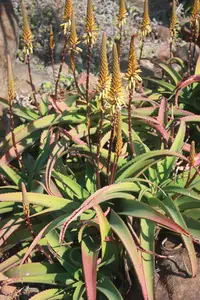
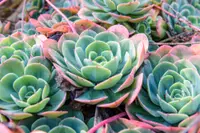
Van Balen's aloe (Aloe vanbalenii) is a rosette-forming succulent known for its long, arching leaves that curl and develop bronze to red tones in strong light. The foliage often looks like an octopus, giving the plant a distinctive sculptural form.

This species is native to rocky slopes in South Africa, where it grows in sunny, dry conditions with sharp drainage. Its drought tolerance and slow, compact growth habit make it suitable for containers and warm, arid gardens.

Many growers find it relatively straightforward to care for van Balen's aloe when it receives strong light, infrequent but deep watering, and a gritty, fast-draining soil mix.

Main Plant Requirements

Care Difficulty

Easy Care

Light Preference

Full Sun

Water Requirements

Low Water

Temperature Preference

Tropical / Frost Sensitive

Hardiness Zone

10–11

Soil Texture

Sandy, Loamy, Rocky

Soil pH

Slightly acidic (6.5–7.0), Neutral (7.0)

Soil Drainage

Well-drained

Fertilization

Minimal (feed rarely)

Get Personalized Care Plan

Scan your plant to receive care tips personalized for your specific plant

Available on iOS and Android

How to Care for the van Balen's aloe

This sun-loving aloe develops best color and growth with strong, direct light.

  • Provide 6–8 hours of direct sun daily, ideally with morning sun and light afternoon shade in very hot, dry climates.
  • In mild or coastal areas, van Balen's aloe can tolerate full sun all day; in hotter inland sites, use filtered light during peak afternoon hours.
  • Insufficient light causes stretched, pale leaves, while sudden intense sun can scorch foliage, so increase exposure gradually after shade or winter conditions.

This drought-adapted succulent prefers deep, infrequent watering and fast-draining soil.

  • Water only when the top 3–5 cm of soil are completely dry, then soak the root zone and let excess drain away.
  • Reduce watering in cool seasons, especially winter; in hot, dry periods, watch for slightly curling or limp lower leaves as a sign to water.
  • Use gritty, free-draining soil or a cactus mix to prevent root rot, and watch for yellowing, mushy leaves as a sign of overwatering in Aloe vanbalenii.

This aloe prefers warm, dry conditions and is sensitive to hard frost.

  • Aim for 65–85°F (18–29°C) for active growth, with the best performance in consistently warm, dry weather.
  • Protect the plant from temperatures below 30°F (-1°C); brief light frost may be survived, but repeated or hard freezes damage leaves and roots.
  • In hot climates, it tolerates up to about 100°F (38°C) if soil drains well and there is some afternoon shade, especially during very dry, windy periods.

This species thrives in dry air and typical indoor humidity without special adjustments.

  • Aim for 30–50% humidity; avoid persistently damp rooms such as enclosed bathrooms.
  • Leaves that soften, darken at the base, or show fungal spotting can indicate humidity staying too high with poor air movement.
  • If air is extremely dry and hot, group succulents together or place the pot on a pebble tray without wetting the crown of van Balen's aloe.

This succulent needs a very fast-draining, mineral-rich mix that dries quickly between waterings.

  • Use a blend such as 50–70% inorganic material (pumice, perlite, coarse sand, or grit) with 30–50% cactus potting mix for Aloe vanbalenii.
  • Aim for slightly acidic to neutral soil, around pH 6.0–7.0, avoiding strongly alkaline mixes that can lock up nutrients.
  • Ensure a loose, gritty structure; large particles create air pockets that reduce root rot risk and improve oxygen supply.
  • Avoid dense, peat-heavy or clay-based mixes that stay wet or compact, especially in cool or low-light locations.

This species is well suited to container growing when the pot controls excess moisture and supports its spreading rosette form.

  • Choose a wide, shallow pot that matches the shallow root system and keeps the spreading leaves from tipping the container.
  • Select clay or other porous materials so the root zone dries faster after watering than in plastic or glazed pots.
  • Raise the pot slightly on feet or pot risers so drainage holes stay clear and water cannot pool under the container.

This drought-adapted succulent needs only light feeding to support healthy growth.

  • Use a balanced liquid fertilizer (around 10-10-10 or 20-20-20) diluted to 25–50% strength on van Balen's aloe in active growth.
  • Apply once every 4–6 weeks in spring and summer only, on already moist soil to avoid root burn.
  • Skip feeding in fall and winter when growth slows, as excess nutrients can weaken tissues and invite rot.
  • Compost or a slow-release, low-dose cactus fertilizer can be mixed sparingly into the top layer of the potting mix in spring.

Pruning Aloe vanbalenii focuses on hygiene and maintaining a clean rosette form rather than reshaping the plant.

  • Best timing is late winter or early spring, before strong new growth begins.
  • Remove dead, dried, or damaged leaves at the base using clean, sharp pruning shears or a knife.
  • Cut out any rotting or pest-damaged tissue well into healthy material, then allow cuts to dry and callus.
  • Pruning spent flower stalks at the base after seed set keeps the plant tidy and directs energy back to the rosette.

Repotting or transplanting is occasional and mainly needed when the root system outgrows its container or planting space.

  • Check for roots circling the pot, protruding from drainage holes, or noticeably slowed growth as signals to move Aloe vanbalenii.
  • Plan repotting or transplanting in late spring to early summer, when warmth encourages quick root recovery.
  • Usually a move every 3–4 years is enough, into a pot just 2–5 cm wider with fast-draining cactus or succulent mix.
  • Gently loosen circling roots, remove old soggy soil, keep roots shaded during the process, then avoid watering for 3–5 days to limit stress and rot.

Propagation is commonly done by removing offsets and less often by seed, as this gives plants true to the parent.

  • Divide offsets in late spring or early summer when plants are actively growing.
  • Use a clean, sharp knife to separate pups with some roots attached, then let cut surfaces dry and callus for 2–3 days.
  • Plant divisions in a sterile, very free-draining succulent mix, and water lightly only after callusing to encourage rooting.
  • Seeds can be sown on a sandy, well-drained mix at 70–80°F with bright, indirect light and kept slightly moist until germination.

This aloe needs thoughtful winter care in climates colder than its native range, especially in containers.

  • Aloe vanbalenii is damaged by hard frost and generally needs temperatures above 30–32°F for leaf safety.
  • In cold regions, move container plants indoors to a bright, cool, dry spot before the first frost.
  • Outdoors in mild climates, use a gritty, raised bed and add a 2–5 cm gravel mulch to keep the crown dry.
  • Reduce watering sharply in winter, allowing soil to dry completely, which improves cold tolerance and reduces rot risk.

Care Tips

Encourage Coloration

Provide this aloe with sharper light contrast in winter by placing it in a cooler, very bright spot to intensify red and bronze leaf tones without increasing watering frequency.

Control Rosette Size

Periodically remove the oldest, outer leaves with a clean, sharp knife at the base to keep rosettes compact and reduce shading of younger inner leaves.

Manage Offsets

Lift and divide offsets only once they have several strong roots of their own, then allow cuts to dry for 2–3 days before replanting to reduce rot risk and improve long-term clump structure.

Cold Rain Protection

In climates with cool, wet winters, use a simple clear rain cover or move container plants under an overhang so the roots stay dry when air temperatures drop near the lower safe range.

Monitor Pot Stability

Use a wide, heavy container or place decorative stones on top of the soil to stabilize the plant as the rosette elongates and curves, especially important when growing van Balen's aloe on exposed patios or balconies.

Common Pests and Diseases

Aloe mite

This pest causes abnormal, swollen, or frilled growths called galls on leaves and around the rosette, often with distorted or wart-like tissue. Symptoms include rough, crusty patches that do not look like normal leaf margins or spotting.

Solution

Remove and discard all affected leaves and rosettes well below the damaged tissue, sterilizing cutting tools between cuts. Isolate the plant, improve air movement, and if nearby aloes are present, monitor them closely; in collections with repeated issues, growers often cull badly affected plants to prevent the microscopic mites from spreading.

Aphids

These insects cluster on soft new growth and flower stalks, sucking sap and causing curling, sticky, or deformed leaves. Symptoms include honeydew residue that can encourage sooty mold on the leaf surface.

Solution

Rinse colonies off with a firm stream of water, then treat remaining insects with insecticidal soap or a light horticultural oil, ensuring good coverage of leaf bases and undersides. Avoid overfertilizing, as very soft, lush growth tends to attract more aphids when you grow Aloe vanbalenii outdoors or in bright indoor conditions.

Aloe rust

This disease produces distinct, sunken orange to brown spots or pustules on leaves, often surrounded by a yellow halo. Symptoms include rough lesions that may merge and cause cosmetic damage or localized leaf dieback.

Solution

Cut off heavily spotted leaves and discard them, keeping the cut surfaces dry. Reduce overhead watering, water early in the day so foliage dries quickly, and improve spacing and airflow; in persistently humid areas, a labeled copper-based fungicide can help protect uninfected tissue.

Leaf spot

This disease causes irregular brown, gray, or black spots on leaves, sometimes with concentric rings or a pale margin. Symptoms include cosmetic spotting that can expand under warm, humid, or poorly ventilated conditions.

Solution

Remove and dispose of affected leaves to reduce fungal spores, and keep the rosette as dry as possible by watering only at the soil level. Provide strong light, good airflow, and a fast-draining mineral mix; avoid overhead irrigation and prolonged leaf wetness, especially when caring for van Balen's aloe in humid climates.

Mealybugs

These insects appear as white, cottony clumps tucked into leaf bases and roots, sucking sap and weakening the plant over time. Symptoms include sticky residue, yellowing patches, and stunted or misshapen growth, particularly around tight rosettes and offsets.

Solution

Wipe visible insects with cotton swabs dipped in isopropyl alcohol, then follow up with insecticidal soap or a mild systemic insecticide if infestations are persistent. Check the root zone and potting mix for hidden mealybugs, repot into fresh, well-drained substrate if needed, and quarantine affected plants away from other succulents.

Interesting Facts

Curling leaf rosettes

This species forms loose, curling rosettes with long, strap-like leaves that twist and arch, giving each plant a distinct octopus-like shape compared with the more upright, rigid forms of many other aloes.

Color change with stress

Leaves are usually bright green in mild conditions but can turn vivid red, copper, or orange under strong sun and drought, a response linked to increased production of protective pigments called anthocyanins.

Habitat on rocky slopes

In its native KwaZulu-Natal and adjacent regions of South Africa, this aloe often grows on rocky slopes and cliffs, anchoring into shallow crevices where its thick roots tolerate both intense sun and brief, heavy rains.

Botan icon

Did you know?

This species is considered part of the grass aloe group, a set of aloes characterized by their long, narrow, grass-like leaves and adaptation to more open, grassy or rocky habitats rather than dense thickets or forests.

FAQs about van Balen's aloe

Lack of blooms is usually linked to plant immaturity, insufficient light intensity, or stress from cold, repotting, or recent division. Stable warm conditions, strong light, and avoiding frequent disturbance encourage flowering once the rosette is fully developed.

Grow Healthy Plants with Botan Care

Keep your plants happy and healthy with plant identification, disease detection, and easy care guidance.

Botan plant care app — identify plants on mobile

Explore More Plants