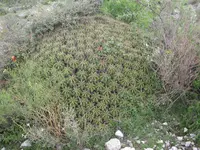
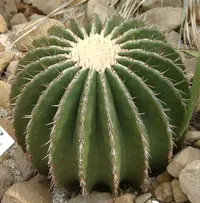
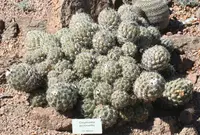
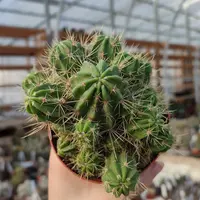
Best Soil for Cactus (Ferocactus robustus)

Ferocactus robustus grows best in a gritty, fast-draining mix that supports healthy roots and prevents long periods of trapped moisture.

Soil Texture

Sandy, Loamy, Rocky

Soil pH

Slightly acidic (6.5–7.0), Neutral (7.0)

Soil Drainage

Well-drained

Ferocactus robustus Soil Guide

Native to central Mexico, Ferocactus robustus grows in dry, exposed places where rain moves through the ground quickly and roots are surrounded by air. That background explains its preference for sandy, loamy, rocky soil rather than dense, water-holding potting mixes.

The best soil for Cactus is sharply drained but not sterile. A mineral-heavy texture helps excess moisture leave fast while still giving the roots enough contact with the soil to anchor and take up water after brief wet periods. Slight acidity to neutral conditions suit its natural soil chemistry.


A homemade mix gives better control over texture and drainage for Ferocactus robustus than a heavy all-purpose potting blend.

100% total mix = 20 scoops
15%
small gravel or crushed granite3 scoops
20%
cactus potting soil4 scoops
30%
pumice or perlite6 scoops
35%
coarse sand7 scoops

The finished mix should feel gritty, open, and barely cling together when dry, with water moving through quickly instead of pooling.

A slightly acidic to neutral range of about 6.5–7.0 suits Cactus well. In that range, key nutrients stay more available to the roots without pushing the mix too far toward acidity or alkalinity.

Ferocactus robustus can handle small variation around neutral, but a consistently balanced pH helps support steady nutrient uptake. If the mix drifts too far in either direction, some nutrients become harder for the plant to use.

This species is especially sensitive to stale, airless root conditions. Soil may be part of the issue when growth seems uneven or the base no longer feels firm.

Compacted mix:

Compacted mix: soil stays dense and hard after drying, so gently loosen the surface and plan to replace it with a more open blend.

Slow drainage:

Slow drainage: water sits in the container too long or the pot feels heavy for days, so check the drain hole and reduce fine material.

Crusting surface:

Crusting surface: a tight top layer can limit airflow into the root zone, so break the crust lightly and remove buildup.

Unstable plant:

Unstable plant: Cactus may lean in loose, uneven media, so settle the root zone carefully and make sure the mix supports the base evenly.

Soil Help, Fast

Botan helps match soil choices to your plant’s needs, so it is easier to pick a mix with the right structure and drainage.

FAQ

Yes. Drainage holes let excess water leave the container and help air move through the root zone, which is important for keeping a gritty mix from staying wet too long.

More Plant Soil Guides

Check What the Soil Is Doing

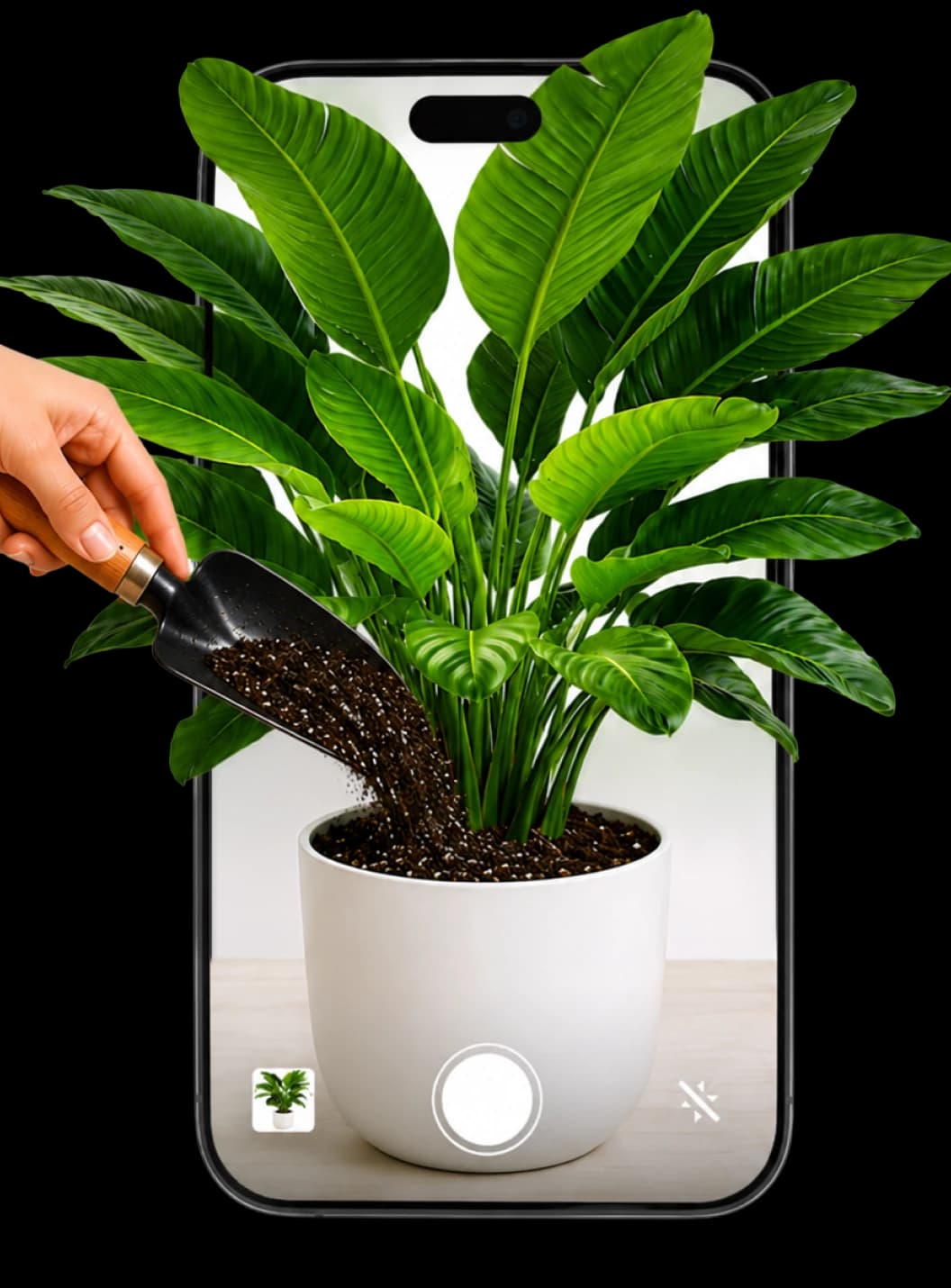
Use Botan’s photo-based assessment to check whether soil conditions might be contributing to a visible problem and what to review next.

Botan app helping with soil and plant care
20 Most Popular Fruits Around the World

7 min read · 22 Jul 2026

20 Most Popular Fruits Around the World

Curious which fruits the world actually eats the most? Here's the top-20 by production volume, an overview of what people choose in each region, and a few figures that defy common assumptions.

Plant Recommendations
20 Most Popular Fruits Around the World
Plant Pot Sizes: How to Choose the Right Plant Container

7 min read · 20 Aug 2026

Plant Pot Sizes: How to Choose the Right Plant Container

Plant pot sizes can be confusing because the number on the label only tells you part of the required information. A container may look spacious but actually be too shallow. So, how to choose pot size for plant species?

Beginner Guides
Plant Pot Sizes: How to Choose the Right Plant Container
Rice Water for Plants – Which Plants Love It and How to Make It

8 min read · 14 Jul 2026

Rice Water for Plants – Which Plants Love It and How to Make It

Rice water can be an ideal DIY solution for orchids, roses, or fruiting plants. It supports growth, leaf count, and height. We’ll share how to make and apply it correctly for your plant.

Plant Care
Rice Water for Plants – Which Plants Love It and How to Make It