

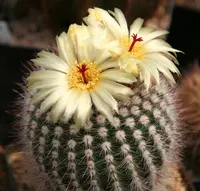
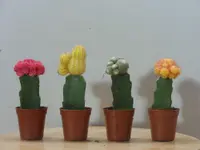
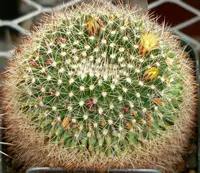

Cactus (Ferocactus robustus) Light Needs

Cactus grows best in full sun, with several hours of direct sunlight each day during active growth.

Light Preference

Full Sun

Ferocactus robustus Light Requirements

Ferocactus robustus is native to dry, open parts of central Mexico, where it grows on rocky slopes and exposed scrubland. In these habitats, shade is limited and sunlight is strong for much of the day, especially during the warm growing season.

Cultivated plants keep that preference for bright, open exposure rather than filtered or shaded conditions. Preferred light is full sun.

  • Ideal exposure:

    Ferocactus robustus needs about 6–8 hours of full sun-level exposure daily, including 4–6 hours of direct sun when acclimated.

  • Acclimated sun:

    Established plants tolerate long direct exposure, but new or indoor-grown plants need a gradual increase to avoid surface burn.

  • Limited shade:

    Low light is not suitable for long-term growth and often leads to narrow, stretched new tissue.

  • Harsh glass:

    Hot afternoon sun through glass is tolerated better after acclimation, but sudden placement close to the pane can scorch.

Indoors, place it where direct sun reaches the plant for several hours, not just bright room light.

NPoor
North-facing window:

A north-facing window is usually too dim and often leads to stretched, weak growth.

EConditional
East-facing window:

An unobstructed east window can work if it gives direct morning sun and the plant also receives strong light for the rest of the day.

SBest
South-facing window:

A south-facing window is usually the strongest indoor choice, especially within 1–2 ft of clear glass.

WSuitable
West-facing window:

A west-facing window can suit it well if afternoon sun reaches the plant and heat does not build excessively behind glass.

Move it closer to the glass gradually if it has been kept in dimmer light.

Excess light problems usually come from sudden exposure, not steady full sun after acclimation.

Bleached patches:

Pale cream, tan, or whitish areas may appear on the sun-facing ribs after a rapid move into stronger direct sun.

Sunken scars:

Damaged spots can become dry, corky, and slightly sunken as the burned tissue hardens.

One-sided stress:

Marks are usually strongest on the side facing the hottest window or afternoon sun.

Color fading:

The green surface may look washed out before scarring develops, especially behind hot glass.

Move Ferocactus robustus out of the harshest rays and reintroduce direct sun over 1–2 weeks. Use a little more distance from glass during extreme heat.

Low light usually changes the shape of this species before it causes obvious damage.

  • Stretched crown:

    New growth may become narrower or taller than the older body instead of staying compact.

  • Leaning body:

    The plant may angle toward the brightest side when light comes from only one direction.

  • Weaker spines:

    New spines can look thinner, shorter, or more widely spaced in dim conditions.

  • Few flowers:

    Mature Ferocactus robustus may flower poorly indoors if it does not receive enough direct sun.

Increase exposure gradually by moving it to the brightest available position. Avoid a sudden jump from shade to intense midday sun.

When ideal full sun is not available, choose the brightest workable spot and prioritize direct morning or late-day sun over distant bright room light.

Rotate the pot a quarter turn every 1–2 weeks during active growth so the body does not lean toward the light.

A dim shelf or room-center position is unsuitable because Ferocactus robustus light needs include direct sun, not ambient brightness alone.

Get Personalized Care Plan

Scan your plant to receive care tips personalized for your specific plant

FAQ

The best light for Cactus is full sun for about 6–8 hours daily, with several hours of direct sun once the plant is acclimated.

More Plant Light Guides

Get the Botan App

Discover how to care for your plants with Botan.

Botan app identifying a plant with a phone camera
Planting Grass Seed in Summer – What Works and What Fails

7 min read · 6 Aug 2026

Planting Grass Seed in Summer – What Works and What Fails

Summer seeding succeeds when the grass type suits the season, and the soil stays moist. Find out how to prepare the seedbed and choose a safe window for planting.

Plant Care
Planting Grass Seed in Summer – What Works and What Fails
When to Plant Hydrangeas: Best Time by Season and Type

6 min read · 30 Oct 2026

When to Plant Hydrangeas: Best Time by Season and Type

Hydrangeas grow best when you plant them in cool weather. This guide explains when to plant hydrangeas in your area, compares fall and spring planting seasons, and shows the right steps for each type.

Beginner Guides
When to Plant Hydrangeas: Best Time by Season and Type
Top 15 Fast-Growing Trees For Your Garden

13 min read · 28 Jul 2026

Top 15 Fast-Growing Trees For Your Garden

Learn which of the 15 fastest-growing trees will suit your area. We’ll share detailed information on each: growth rate, mature spread, key tree demands, and main vulnerabilities. Read on and make the best choice possible.

Plant Recommendations
Top 15 Fast-Growing Trees For Your Garden