

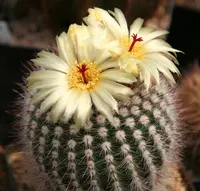
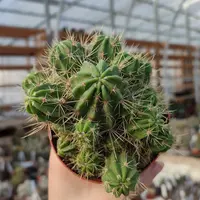
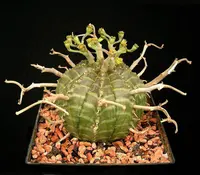

Cactus (Mammillaria petrophila) Light Needs

Cactus grows best in full sun, with several hours of direct light each day when properly acclimated.

Light Preference

Full Sun

Mammillaria petrophila Light Requirements

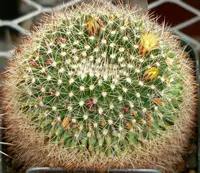
In habitat, this species grows on exposed, rocky desert ground where shade is limited and sunlight is intense for much of the day. The compact, ribbed body and spines help it tolerate bright, dry conditions, but cultivated plants still benefit from gradual adjustment after dim indoor conditions. Seasonal clouds or nearby rocks may create brief breaks, not deep shade. In care, it prefers full sun.

  • Ideal exposure:

    Ideal exposure: Cactus needs about 6–8 hours of bright light daily, ideally full sun, including 4–6 hours of direct sun when acclimated.

  • Direct sun:

    Mature, acclimated plants can handle strong sun, but sudden exposure after indoor growing can scorch the surface.

  • Partial sun:

    If full sun is unavailable, several hours of morning sun with bright open light afterward is usually workable.

  • Too dim:

    Shade or a room set far from the light source leads to weak, stretched growth over time.

Indoors, place it at the brightest window available and introduce stronger sun gradually.

NPoor
North-facing window:

A north-facing window is usually too dim unless it is unusually bright and unobstructed.

ESuitable
East-facing window:

An east-facing window gives gentle morning sun and can work if the plant sits very close to the glass.

SBest
South-facing window:

A south-facing window is usually best, especially within 1–2 ft of unobstructed glass.

WSuitable
West-facing window:

A west-facing window can work if the plant is acclimated to hotter afternoon sun or lightly filtered during heat waves.

If growth leans or narrows, move the pot closer to stronger light rather than deeper into the room.

Excess light usually appears after a sudden move into harsher sun.

Bleached patches:

Pale, whitish areas on the sun-facing side can indicate sunburn, especially after moving Mammillaria petrophila outdoors or nearer glass.

Tan scars:

Dry tan spots may form where tissue was overheated; these marks usually do not turn green again.

Red stress color:

A pink, red, or bronze cast can signal strong sun stress when it appears quickly with intense exposure.

Shriveled sun side:

The side facing the strongest afternoon sun may look tighter or duller before lasting damage develops.

Move it back from the harshest rays or add light filtering during peak afternoon sun. Reintroduce direct sun over 1–2 weeks.

Low light changes the growth pattern gradually. It is most noticeable during active growth.

  • Stretched crown:

    New growth may become narrower or taller than the older body as Mammillaria petrophila reaches toward light.

  • Leaning body:

    The plant may tilt toward the nearest bright area instead of staying evenly upright.

  • Wide spacing:

    Tubercles and spine clusters can look more spread out on new growth than on older growth.

  • Fewer flowers:

    Blooming may be reduced when daily light is too weak through the growing season.

Move it to a brighter exposure in stages. Avoid shifting from shade straight into intense midday sun.

If full sun is not available, choose the brightest open spot and prioritize several hours of morning sun.

Rotate the pot a quarter turn every 1–2 weeks during active growth to keep the body from leaning.

A dim shelf or interior table is unsuitable because Mammillaria petrophila light needs are higher than room brightness alone can provide.

Get Personalized Care Plan

Scan your plant to receive care tips personalized for your specific plant

FAQ

Cactus light requirements are high. The species does best with 6–8 hours of bright exposure daily, including several hours of direct sun when it has been acclimated.

More Plant Light Guides

Get the Botan App

Discover how to care for your plants with Botan.

Botan app identifying a plant with a phone camera
How to Repot a Plant: A Step-by-Step Guide

7 min read · 28 May 2026

How to Repot a Plant: A Step-by-Step Guide

In spring, many plants need repotting—an essential part of care. To avoid stress, consider the plant’s type and size. This article offers a step-by-step guide for repotting indoors or outdoors and shows how to check plant health and get care tips using the Botan App.

Plant Care

How to Repot a Plant: A Step-by-Step Guide
When to Harvest Carrots: Timing, Signs, and How to Pick Them

6 min read · 23 Oct 2026

When to Harvest Carrots: Timing, Signs, and How to Pick Them

Carrots are usually ready 60-80 days after sowing them in the soil, depending on the variety. Learn how to recognize maturity signs, choose the right harvest season, pull carrots without damaging them, and store roots after picking.

Plant Care
When to Harvest Carrots: Timing, Signs, and How to Pick Them
Best Bedroom Plants – Top 10 to Grow in Your Space

8 min read · 8 Jul 2026

Best Bedroom Plants – Top 10 to Grow in Your Space

Discover the top 10 houseplants that are suitable for growing in your bedroom. Compare their light and water needs, pet safety, and benefits. Find out where best to place greenery in your relaxation space and what species to avoid.

Plant Recommendations
Best Bedroom Plants – Top 10 to Grow in Your Space