

Burro's tail (Sedum burrito) Light Needs

Burro's tail grows best in very bright light with several hours of gentle direct sun.

Light Preference

Full Sun

Sedum burrito Light Requirements

In habitat, this succulent grows where light is strong, air is dry, and exposed surfaces receive many hours of sun. Its fleshy leaves store water and tolerate bright conditions, but sudden harsh sun can still mark the leaf surface, especially after indoor growth.

Cultivated plants respond best when light is bright for most of the day, with direct sun introduced gradually. Preferred light is full sun to bright filtered light.

  • Ideal exposure:

    Sedum burrito needs about 6–8 hours of bright light daily, ideally full sun or partial sun, including 3–4 hours of direct morning sun.

  • Direct sun tolerance:

    Mature, acclimated plants can handle longer direct sun outdoors, but sudden exposure may bleach or scar the leaves.

  • Lower light:

    Lower light is tolerated briefly, but growth often stretches and the dense trailing stems become looser.

  • Afternoon sun:

    Hot afternoon sun behind glass can overheat leaves, so filter it or increase distance from the window.

Indoors, place it where the stems receive strong light without abrupt heat buildup.

NPoor
North-facing window:

A north-facing window is usually too dim unless it is unusually large and unobstructed.

EBest
East-facing window:

An east-facing window is often ideal because it gives several hours of gentler morning sun.

SSuitable
South-facing window:

A south-facing window is suitable if the plant sits 1–3 ft back or the midday sun is softened by a sheer curtain.

WConditional
West-facing window:

A west-facing window can work if late-day rays are filtered during hot months.

Move the plant gradually when changing exposures so the leaves can adjust.

Strong sun can damage leaves when exposure increases too quickly.

Pale patches:

Leaves may develop whitish, beige, or tan areas on the sun-facing side after sudden direct sun.

Scorched tips:

Sun-facing leaf tips can look dry or corky where glass-amplified heat is strongest.

Dull color:

A stressed Sedum burrito may look washed out rather than softly green or blue-green.

Uneven damage:

Marks usually appear on the side facing the brightest window or afternoon sun, not evenly around every stem.

Shift it out of harsh midday or afternoon rays, or add a sheer curtain. Increase direct sun again only in small steps over 1–2 weeks.

Weak light changes the shape of this compact trailing succulent over time.

  • Stretched stems:

    New sections may become longer and thinner as growth reaches toward the strongest light.

  • Wider leaf spacing:

    Leaves can sit farther apart, making the trailing stems look less full.

  • Leaning growth:

    Stems may angle toward a window instead of hanging evenly from the pot.

  • Smaller new leaves:

    Fresh leaves may form smaller than older leaves when light stays too low.

  • Limited growth:

    During spring and summer, very slow new growth can point to inadequate light if other care is stable.

Move it to a brighter exposure with some gentle direct sun. Make the change gradually if the new position receives stronger direct rays.

If ideal sun is limited, choose the brightest available spot and give at least a few hours of direct morning sun when possible.

Rotate the pot every 1–2 weeks to keep the trailing stems from leaning strongly toward one side.

Avoid shelves set far from natural light because this setup usually cannot meet Sedum burrito light needs.

Get Personalized Care Plan

Scan your plant to receive care tips personalized for your specific plant

FAQ

Burro's tail light requirements are high: this plant does best with 6–8 hours of bright light daily, including several hours of gentle direct sun.

Everything About Burro's tail

More Plant Light Guides

Get the Botan App

Discover how to care for your plants with Botan.

Botan app identifying a plant with a phone camera
How To Revive a Dying Plant: 6 Steps To Bring A Plant Back To Life

6 min read · 1 Sept 2026

How To Revive a Dying Plant: 6 Steps To Bring A Plant Back To Life

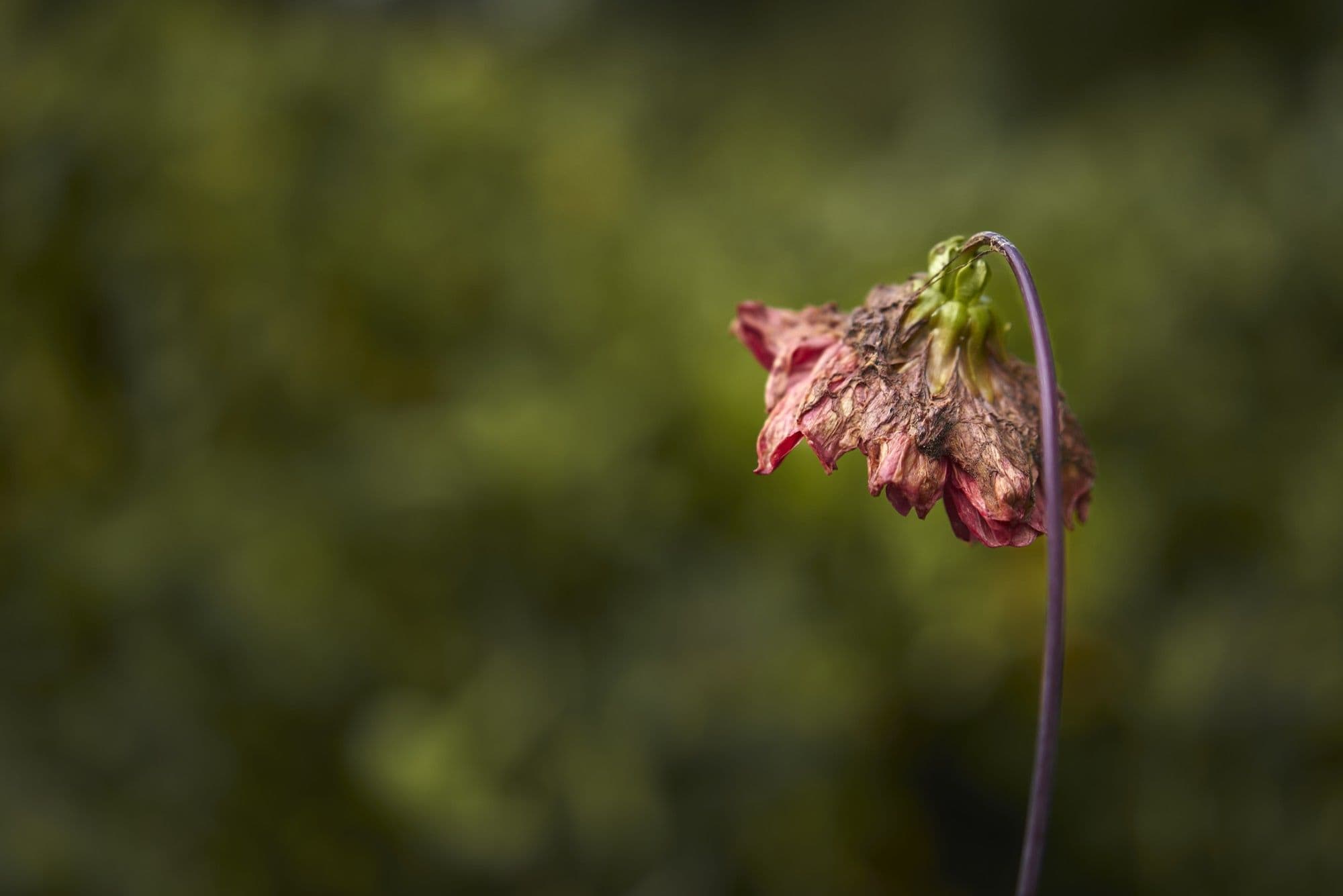
Drooping leaves and brown tips don't always mean the end, and a weakened plant can often recover with a little help. These six simple steps will help you revive a dying plant and restore its health.

Plant Care
How To Revive a Dying Plant: 6 Steps To Bring A Plant Back To Life
How to Winterize Your Garden in 6 Steps

5 min read · 28 Sept 2026

How to Winterize Your Garden in 6 Steps

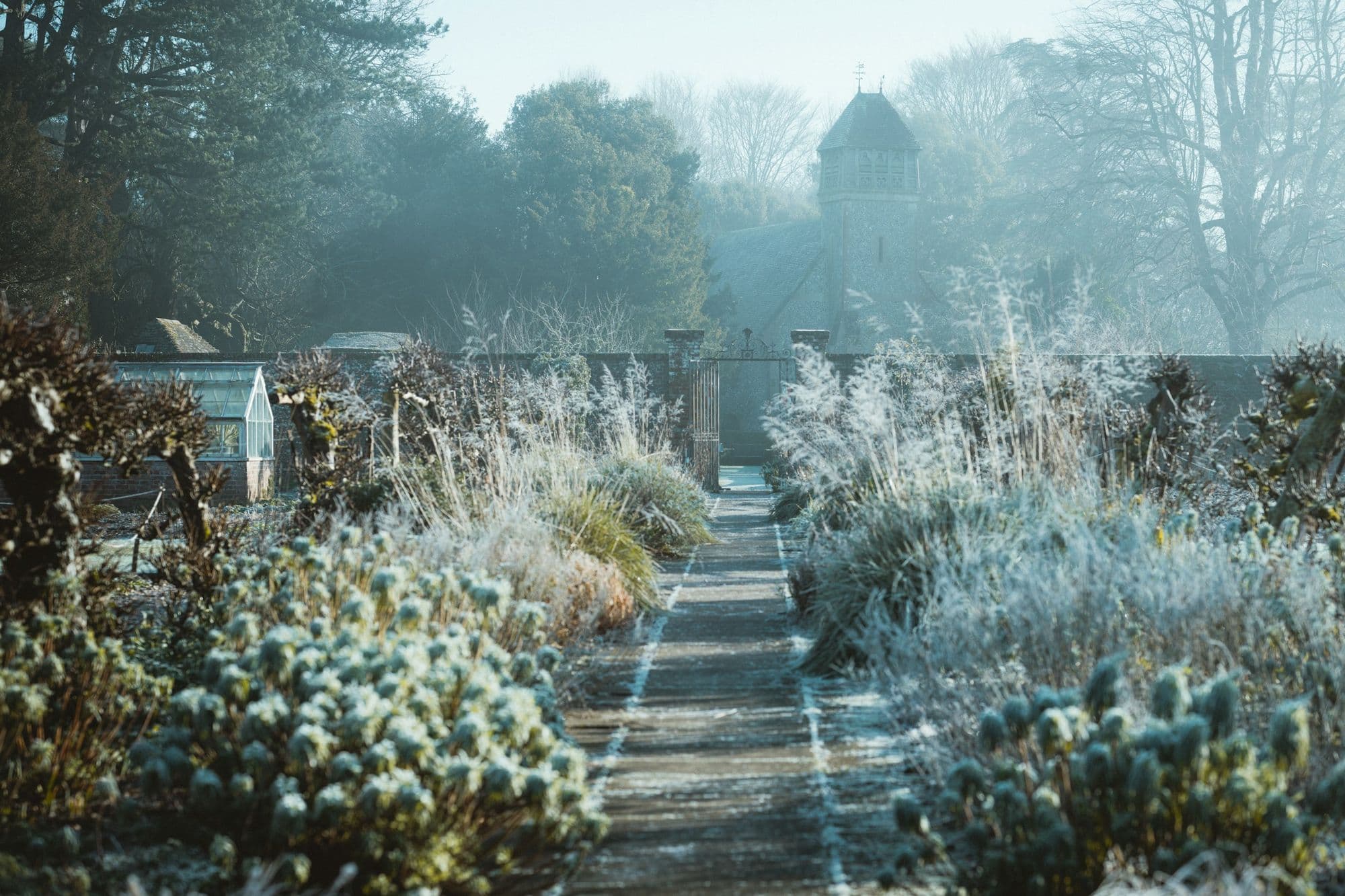
Learn how to prepare your garden for winter with a practical six-step checklist covering cleanup, tender plant care, watering, mulching, winter protection, and winterizing equipment and containers.

Plant Care
How to Winterize Your Garden in 6 Steps
How to Group Plants in Landscaping: A Practical Layout Guide

8 min read · 31 Aug 2026

How to Group Plants in Landscaping: A Practical Layout Guide

Good plant grouping can mean the difference between a well-planned garden and one that looks sloppy. This guide explores layers, spacing, cluster shapes, and the plants that thrive when you group them.

Plant Care
How to Group Plants in Landscaping: A Practical Layout Guide