

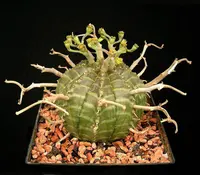
Elephant's Foot Plant (Dioscorea elephantipes) Light Needs

Elephant's Foot Plant grows best in full sun to bright partial sun with several hours of direct light.

Light Preference

Full Sun

Dioscorea elephantipes Light Requirements

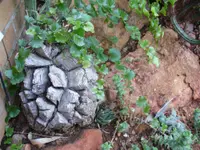
Dioscorea elephantipes is native to dry, rocky parts of South Africa, where it grows in open scrub and among stones. Its seasonal vines receive strong light when in leaf, often with direct sun and some shelter from surrounding vegetation or rock. In cultivation, this points to a bright position rather than shade. Preferred light is full sun to bright partial sun.

  • Ideal exposure:

    Dioscorea elephantipes needs about 6–8 hours of full sun to bright partial sun daily, including 4–6 hours of direct sun when acclimated.

  • Direct sun:

    Established plants tolerate full sun, but sudden exposure to hot afternoon rays can scorch leaves or exposed base tissue.

  • Partial sun:

    Bright partial sun is acceptable when direct light is strongest in the morning or spread through the day.

  • Low light:

    Shade is not suitable, especially during active vine growth, because stems become weak and stretched.

Indoors, place it where the vine receives direct sun for part of the day and bright light the rest of the day.

NPoor
North-facing window:

A north-facing window is usually too dim unless it is unusually bright and unobstructed.

ESuitable
East-facing window:

An east-facing window can work if it gives several hours of direct morning sun.

SBest
South-facing window:

A south-facing window is often best when the plant sits within 1–2 ft of the glass and is acclimated gradually.

WSuitable
West-facing window:

A west-facing window is suitable with gradual acclimation; use a sheer curtain if late-afternoon rays overheat the leaves or woody base.

If growth leans toward the light, rotate the pot a quarter turn every week during active vine growth.

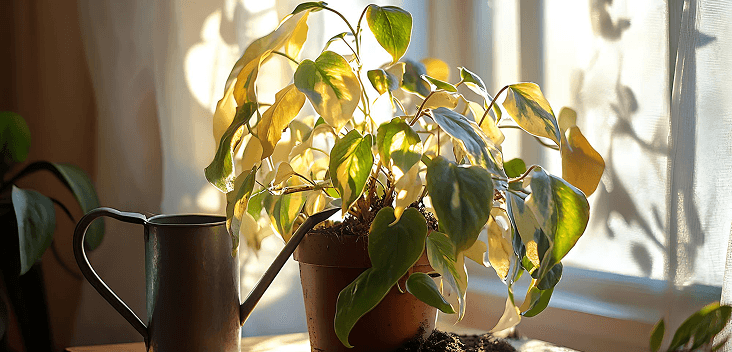
Excess light usually shows after a sudden move into hotter, stronger sun.

Bleached leaf patches:

Pale tan or whitish areas on the vine leaves can appear on the side facing the glass or afternoon sun.

Crisp sun spots:

Dry, sharply outlined spots may form where leaves were exposed before they had time to acclimate.

Scorched growing tip:

A tender vine tip may brown or stop extending after a period of intense heat and direct sun.

Hot exposed base:

Newly exposed areas of the woody base may develop pale, dry patches after harsh sun, especially outdoors.

Move the plant back from the hottest rays or filter the sun for 1–2 weeks. Reintroduce stronger direct light gradually.

Low light is more common indoors than outdoors. Dioscorea elephantipes shows it most clearly during active vine growth.

  • Stretched vine:

    New stems may grow long and thin as they search toward the nearest bright area.

  • Wide leaf spacing:

    Leaves may sit farther apart along the vine instead of forming compact seasonal growth.

  • Strong leaning:

    The vine may angle sharply toward the window even after it is supported.

  • Small new leaves:

    Fresh leaves may stay smaller than usual when light is too weak during the growing season.

Move it to a brighter position with some direct sun. Make the change over several days if the new spot is much brighter.

When ideal full sun is not possible, choose the brightest direct light available for several hours and avoid shaded shelves or interior corners.

Keep the vine close to the light source, because brightness drops quickly even 2–3 ft from the glass.

Rotate the pot during active growth so the vine does not pull strongly to one side.

Get Personalized Care Plan

Scan your plant to receive care tips personalized for your specific plant

FAQ

For Elephant's Foot Plant light requirements, full sun to bright partial sun is best. Indoors, that means the brightest available exposure with several hours of direct light.

Everything About Elephant's Foot Plant

More Plant Light Guides

Get the Botan App

Discover how to care for your plants with Botan.

Botan app identifying a plant with a phone camera
How to Group Plants in Landscaping: A Practical Layout Guide

8 min read · 31 Aug 2026

How to Group Plants in Landscaping: A Practical Layout Guide

Good plant grouping can mean the difference between a well-planned garden and one that looks sloppy. This guide explores layers, spacing, cluster shapes, and the plants that thrive when you group them.

Plant Care
How to Group Plants in Landscaping: A Practical Layout Guide
13 Best Front Yard Trees for Every Home and Yard

12 min read · 7 Aug 2026

13 Best Front Yard Trees for Every Home and Yard

A front yard tree can stay for decades. Therefore, choosing one deserves serious consideration. Here are 13 trees that have proven themselves, sorted by their purpose. You'll also find five species to avoid and basic planting information.

Plant Recommendations
13 Best Front Yard Trees for Every Home and Yard
Best Time to Water Grass in Summer – Lawn Watering Tips

5 min read · 21 Jul 2026

Best Time to Water Grass in Summer – Lawn Watering Tips

Summer watering is easy to get wrong. This guide explains when to turn on your sprinkler, how much liquid your grass needs each week, and how to tell if you're overwatering or underwatering.

Plant Care
Best Time to Water Grass in Summer – Lawn Watering Tips