

5 min read · 11 Sept 2026
Top 5 Best Indoor Plants for Air Quality
Indoor plants can make a room feel fresher thanks to their air-purifying qualities. Here are 5 of the most suitable choices for your routine and living space.
Flaming Katy grows best in bright indirect light with a few hours of gentle direct sun.

Light Preference
Full Sun

Kalanchoe blossfeldiana is native to Madagascar, where it grows in open, rocky, seasonally dry habitats with strong light and periods of direct sun. Its thick leaves help it handle brighter exposure, but nursery-grown plants still adjust best to sun gradually. In cultivation, this background translates to bright indoor positions with gentle direct sun. Preferred light is bright indirect light with partial sun.
Flaming Katy needs about 6–8 hours of bright indirect or filtered light daily, including about 2–4 hours of gentle direct morning sun.
It can tolerate full sun when acclimated, especially outdoors or through a bright window, but sudden exposure can scorch leaves.
Hot west or south afternoon rays are tolerated only with distance, filtering, or gradual adjustment.
Lower light may keep the plant alive for a while, but growth weakens and flowering becomes less reliable.
Indoors, choose the brightest window that provides direct sun without long periods of hot afternoon exposure.
Use a north-facing window only if it is very bright and unobstructed, since most provide too little light for strong flowering.
Place it within 1–3 ft of an east-facing window for gentle morning sun and bright light later.
Use a sheer curtain or set it 2–5 ft back if direct midday sun heats the leaves.
Place it several feet back or filter the glass, because late-day sun can be hot enough to scorch leaves.
Move it closer or add filtering based on leaf response and seasonal sun strength.
Excess light usually appears after a sudden move into harsher sun.
Pale tan or whitish marks can form on the sun-facing side of leaves after intense direct exposure.
Burned areas may dry into rough, brown patches that do not turn green again.
A reddish or bronzy cast can show light stress, especially when heat builds near glass.
Flowers may fade faster in hot, direct afternoon sun.
Move Kalanchoe blossfeldiana out of harsh rays and keep it in bright filtered light. Reintroduce direct sun in shorter morning periods if stronger exposure is needed.
Weak light shows first in shape and flowering. It may still look green while losing compact growth.
New growth becomes longer and less sturdy as it reaches toward the light.
Leaves may form farther apart, giving the plant a loose, open shape.
Bud formation and repeat flowering are less reliable without several hours of bright light.
Stems can bend toward the nearest window instead of staying evenly upright.
Fresh leaves may emerge smaller during the active growing season.
Move Kalanchoe blossfeldiana to a brighter position with morning sun or strong filtered light. Increase exposure gradually over several days.
If ideal light is limited, choose the brightest spot available and prioritize morning sun over dim all-day shade. Keep the pot close to the light source, because brightness drops quickly with distance.
Rotate the pot a quarter turn every 1–2 weeks to keep growth even. Avoid a dark shelf or a windowless room, because this setup rarely supports compact growth or reliable flowering.

Plant Light Guide
Find the ideal light conditions for your plant and support healthy growth
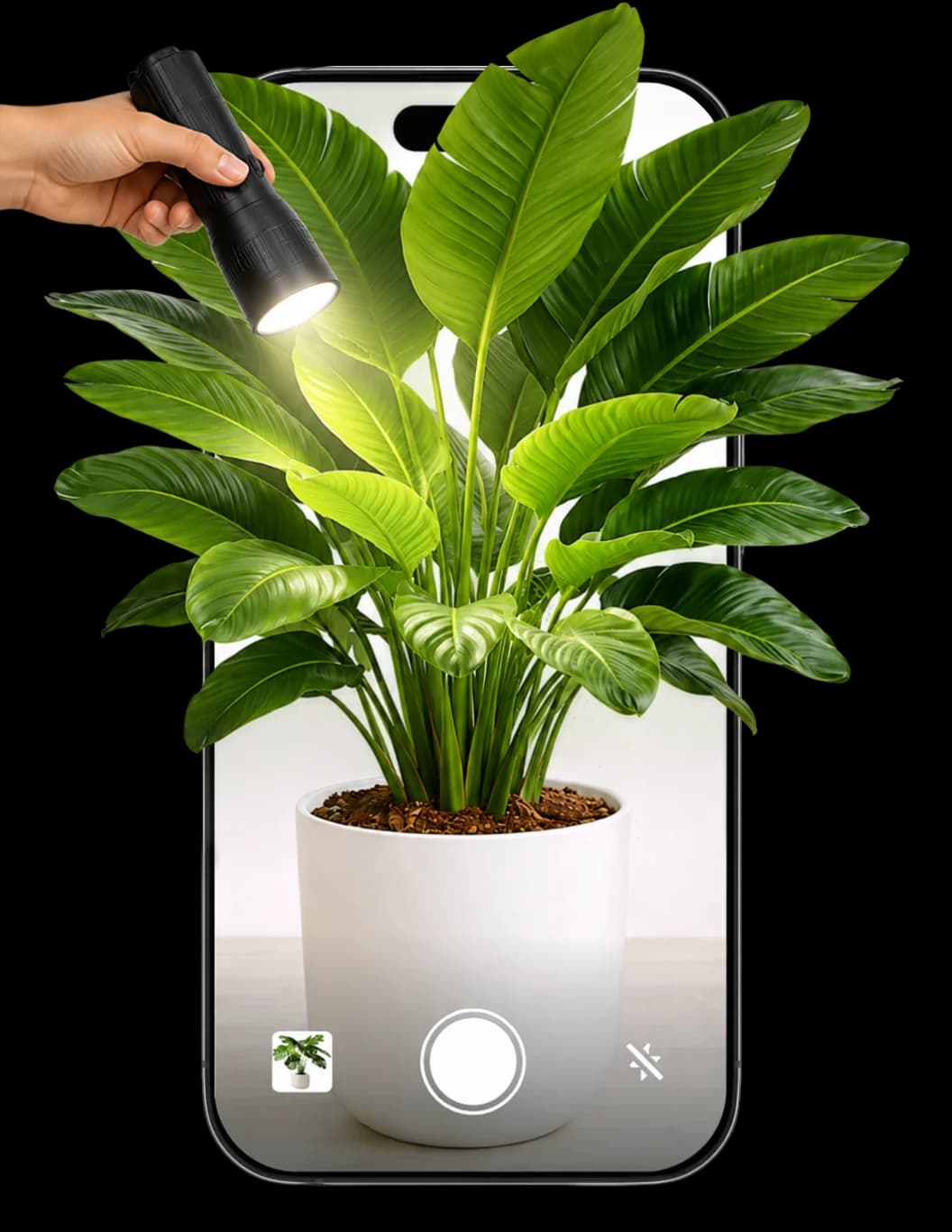
Scan your plant to receive care tips personalized for your specific plant
This plant does best in bright indirect light, with some gentle direct morning sun. A bright position supports compact growth and better flowering than a dim corner.
Discover how to care for your plants with Botan.


5 min read · 11 Sept 2026
Indoor plants can make a room feel fresher thanks to their air-purifying qualities. Here are 5 of the most suitable choices for your routine and living space.

8 min read · 31 Aug 2026
Good plant grouping can mean the difference between a well-planned garden and one that looks sloppy. This guide explores layers, spacing, cluster shapes, and the plants that thrive when you group them.

6 min read · 10 Jul 2026
Flowers can survive without water anywhere from 1-2 hours to several months, depending on the plant type, species, and growing conditions. Some strong-looking flowers are drought-sensitive, while delicate-looking plants may tolerate long dry periods surprisingly well.