


Best Soil for Flaming Katy (Kalanchoe blossfeldiana)

A loose, fast-draining mix helps Kalanchoe blossfeldiana maintain healthy roots and steady growth without staying heavy around the base.

Soil Texture

Sandy, Loamy

Soil pH

Acidic (5.5–6.5), Slightly acidic (6.5–7.0)

Soil Drainage

Well-drained

Kalanchoe blossfeldiana Soil Guide

Native to Madagascar, Kalanchoe blossfeldiana comes from warm, bright conditions where water drains away quickly. That background explains its need for a loose, well-drained substrate that dries at a steady pace instead of staying dense or soggy.

The best soil for Flaming Katy feels airy and light, with a sandy-loamy structure and some organic content. Its roots are fairly fine and do best when oxygen can move through the potting medium, while moderate moisture retention helps support growth without keeping the root zone wet for long.

A simple homemade blend gives Kalanchoe blossfeldiana the light structure its roots handle well indoors.

100% total mix = 20 scoops
15%
fine orchid bark or coco chips3 scoops
20%
coarse sand4 scoops
25%
perlite or pumice5 scoops
40%
cactus potting soil8 scoops

The finished mix should feel crumbly and airy, with water moving through quickly instead of lingering around the root zone.

Root stress often starts below the surface, so changes in texture or airflow around the roots are worth checking early in Flaming Katy.

Compacted mix:

Compacted mix: Soil that feels dense or crusted can limit root airflow, so gently loosen the top layer and consider replacing tired material.

Staying wet too long:

Staying wet too long: If the mix remains heavy for days, roots may sit in low-oxygen conditions, so check drainage and switch to a faster-drying medium if needed.

Hydrophobic soil:

Hydrophobic soil: Very dry mix may shrink from the pot edge and resist wetting, so re-moisten it gradually rather than flooding it at once.

Salt buildup:

Salt buildup: A white crust on the soil surface can point to mineral residue, so scrape it away and refresh the top portion of the mix.

Soil Help, Fast

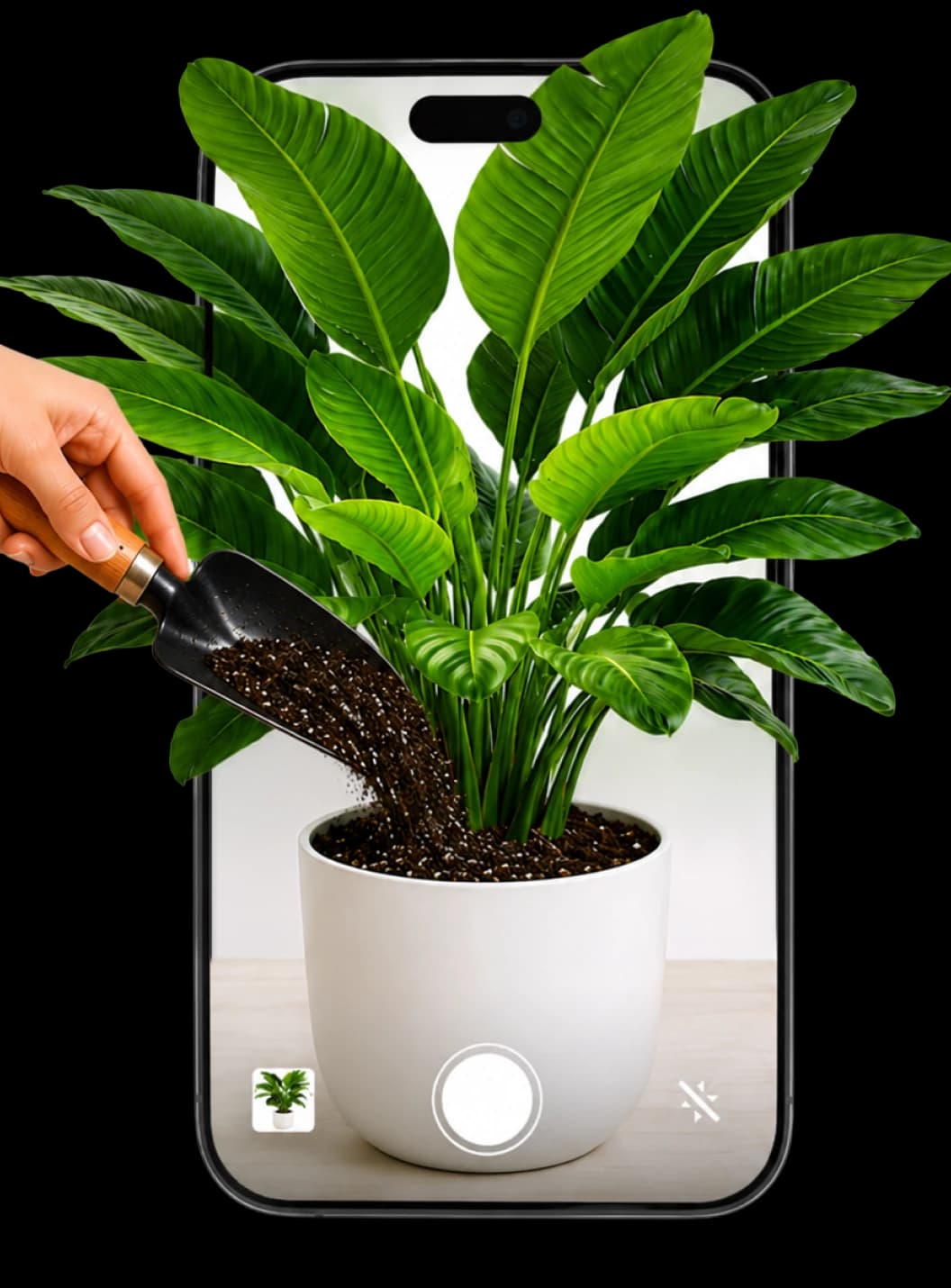
Botan helps match this plant to a more suitable soil setup based on how it grows and what conditions your home provides.

FAQ

Yes. Drainage holes let excess water leave the container, which helps the root zone stay better aerated and lowers the chance of dense, stagnant conditions developing in Flaming Katy soil.

Everything About Flaming Katy

More Plant Soil Guides

Check Your Soil Choice

If a plant looks off, soil could be one factor to check. Botan’s photo-based assessment can help point to likely causes.

Botan app helping with soil and plant care
Top 15 Plants That Don’t Need Sunlight

8 min read · 17 Sept 2026

Top 15 Plants That Don’t Need Sunlight

Some plants thrive in dim rooms, shaded corners, and places with indirect light. In this guide, you’ll explore the top 15 species best suited to low-light conditions and how to care for them.

Plant Recommendations
Top 15 Plants That Don’t Need Sunlight
How To Revive a Dying Plant: 6 Steps To Bring A Plant Back To Life

6 min read · 1 Sept 2026

How To Revive a Dying Plant: 6 Steps To Bring A Plant Back To Life

Drooping leaves and brown tips don't always mean the end, and a weakened plant can often recover with a little help. These six simple steps will help you revive a dying plant and restore its health.

Plant Care
How To Revive a Dying Plant: 6 Steps To Bring A Plant Back To Life
What Plants Don't Like Epsom Salt?

11 min read · 29 Jul 2026

What Plants Don't Like Epsom Salt?

Learn which plants can be seriously damaged by Epsom salt and which will thrive on it. We’ll explain when and how to use it properly, provide tips for indoor & outdoor plants — read on and enjoy a healthy garden.

Plant Care
What Plants Don't Like Epsom Salt?