



Best Soil for Cactus (Parodia scopa)

Parodia scopa grows best in a gritty, fast-draining mix that supports healthy roots and prevents stale, compacted conditions.

Soil Texture

Sandy, Loamy, Rocky

Soil pH

Acidic (5.5–6.5), Slightly acidic (6.5–7.0)

Soil Drainage

Well-drained

Parodia scopa Soil Guide

Native to parts of South America, Parodia scopa grows in dry, open places where water moves through the ground quickly. That background explains why the best soil for Cactus is loose, mineral-leaning, and fast draining rather than rich or moisture-holding.

Its roots are adapted to brief moisture followed by air around the root zone, so the soil should stay open and never compact easily. A sandy, loamy, slightly rocky texture suits this species because it drains well while still holding just enough moisture for short periods.

A simple homemade mix gives Parodia scopa the balance of airflow and light moisture retention it needs in a container.

100% total mix = 20 scoops
10%
fine gravel or small lava rock2 scoops
20%
cactus potting soil4 scoops
30%
perlite or pumice6 scoops
40%
coarse sand8 scoops

The finished blend should feel gritty, crumbly, and light in the hand, with water passing through quickly instead of lingering around the roots.

A slightly acidic to near-neutral range of 5.5–7.0 suits Cactus well. Within that window, nutrients stay more available to the roots without becoming overly locked up in the mix.

If the substrate drifts far outside that range, uptake of key nutrients can become less efficient even when the soil otherwise looks suitable. A mildly acidic mix is usually the safest choice.

This species is more vulnerable to staying wet around the roots than to brief dryness, so soil structure is worth checking first.

Compacted mix:

Compacted mix: if the surface hardens and water stops moving through evenly, gently loosen only the top layer and plan to replace the substrate with a more open one.

Staying wet too long:

Staying wet too long: if the container feels heavy for days and the lower mix remains damp, improve airflow around the root zone and check that excess water can exit freely.

Crusting mineral buildup:

Crusting mineral buildup: a pale crust on the surface can point to salts collecting over time, so scrape off the top layer and refresh with clean mix if buildup returns.

Shrinking away from the pot:

Shrinking away from the pot: when old mix pulls from the sides, it may have become overly dry and water-repellent, so re-wet it gradually or replace it if it stays uneven.

Match Plant to Soil

Botan helps match this plant to a more suitable substrate so soil choices are based on its growth habits, not just a generic label.

FAQ

Yes. Drainage holes let excess water leave the container and help keep air in the root zone. Without them, the mix stays wet longer and problems are more likely.

More Plant Soil Guides

Is Your Soil the Problem?

Botan can help check whether a visible issue may be linked to soil conditions using photo-based assessment and care guidance.

Botan app helping with soil and plant care
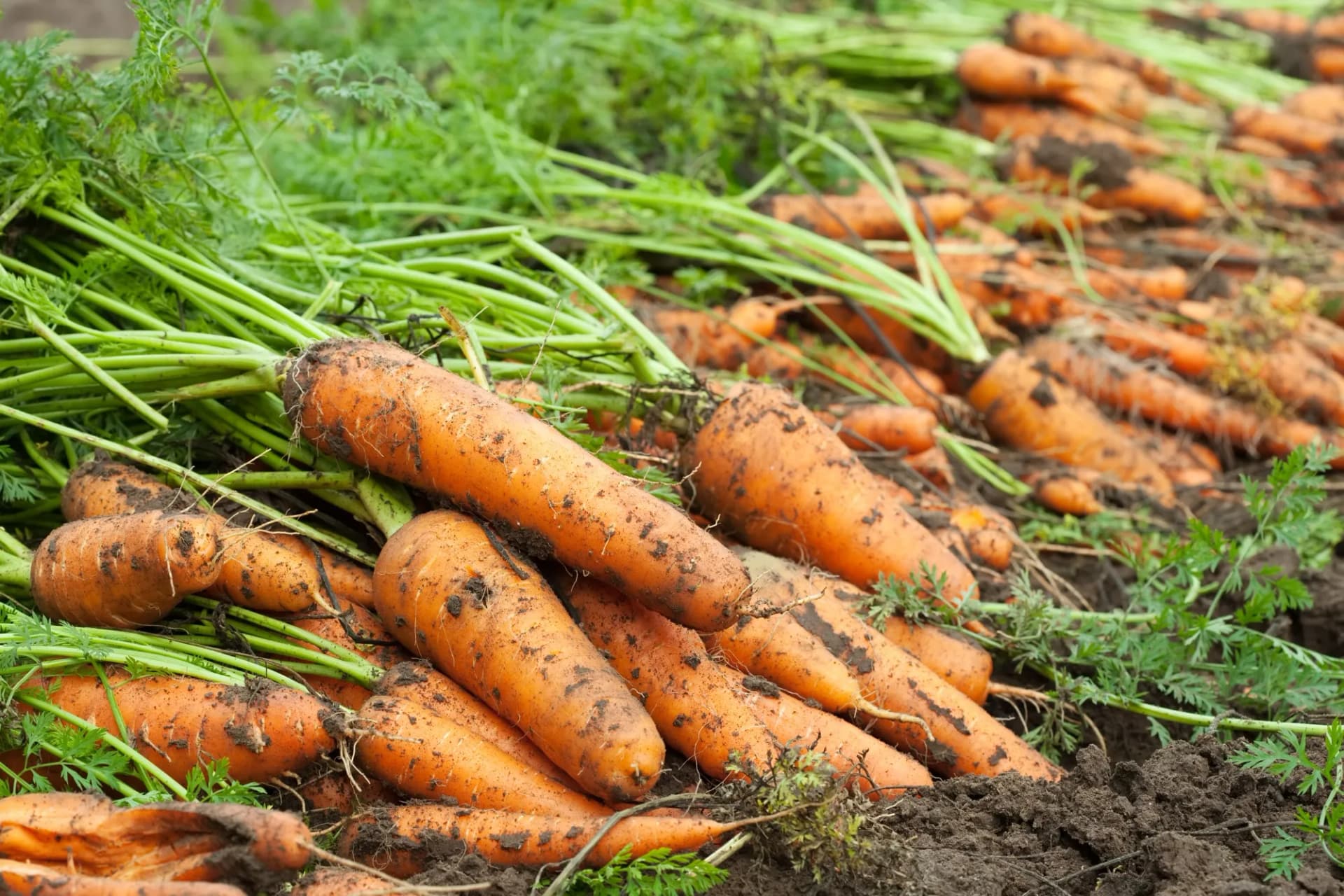
How to Plant Pumpkin Seeds for a Fall Harvest and Grow Your Own Patch

7 min read · 4 Nov 2026

How to Plant Pumpkin Seeds for a Fall Harvest and Grow Your Own Patch

A backyard pumpkin patch starts months before the first leaves turn: the harvest that ends up on the porch in October is decided by what a gardener does in late spring.

Beginner Guides
How to Plant Pumpkin Seeds for a Fall Harvest and Grow Your Own Patch
When to Harvest Carrots: Timing, Signs, and How to Pick Them

6 min read · 23 Oct 2026

When to Harvest Carrots: Timing, Signs, and How to Pick Them

Carrots are usually ready 60-80 days after sowing them in the soil, depending on the variety. Learn how to recognize maturity signs, choose the right harvest season, pull carrots without damaging them, and store roots after picking.

Plant Care
When to Harvest Carrots: Timing, Signs, and How to Pick Them
How Long Can Flowers Go Without Water? Everything You Need to Know

6 min read · 10 Jul 2026

How Long Can Flowers Go Without Water? Everything You Need to Know

Flowers can survive without water anywhere from 1-2 hours to several months, depending on the plant type, species, and growing conditions. Some strong-looking flowers are drought-sensitive, while delicate-looking plants may tolerate long dry periods surprisingly well.

Plant Care
How Long Can Flowers Go Without Water? Everything You Need to Know