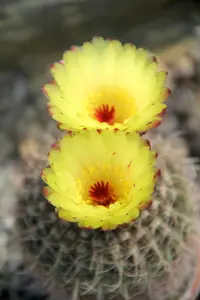



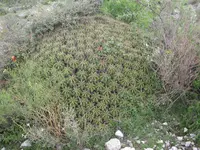
Best Soil for Cactus (Parodia concinna)

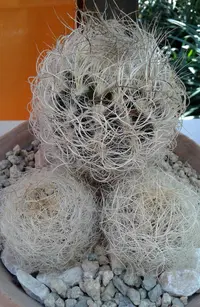
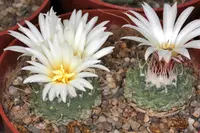
Parodia concinna grows best in a gritty, fast-draining mix that supports healthy roots and limits lingering moisture around them.

Soil Texture

Sandy, Loamy, Rocky

Soil pH

Acidic (5.5–6.5), Slightly acidic (6.5–7.0)

Soil Drainage

Well-drained

Parodia concinna Soil Guide

Native to parts of South America, Parodia concinna grows in bright, exposed settings where water drains away quickly and the ground stays airy rather than dense. Those conditions explain why this cactus does best in soil that feels open, gritty, and fast-draining.

A sandy, loamy, or rocky substrate suits its small root system because roots need oxygen as much as moisture. The best soil for Cactus holds a little water briefly, then dries relatively fast, which helps support steady root function without staying heavy or compacted.

A simple homemade mix can give Parodia concinna the balance of drainage and root contact it needs in a pot.

100% total mix = 20 scoops
10%
small lava rock or fine gravel2 scoops
20%
cactus potting soil4 scoops
30%
pumice or perlite6 scoops
40%
coarse sand or grit8 scoops

The finished blend should feel loose, gritty, and airy, with water moving through quickly instead of pooling around the root zone.

This species is more vulnerable to root stress in stale, airless media than in an open mix. Soil can be one possible cause worth checking early.

Compacted mix:

Dense soil that stays heavy after watering can limit oxygen at the roots; gently loosen the surface and plan to replace the mix with a more open one.

Slow drainage:

If water lingers and the pot stays wet for days, the root zone may be holding too much moisture; first check that excess water can leave the container freely.

Crusted surface:

A hardened top layer can block airflow and slow even wetting; lightly break the crust and refresh the upper layer with a looser material.

Old exhausted medium:

When the mix shrinks, turns dusty, or stops wetting evenly, Cactus may struggle to root well; start by swapping in fresh substrate with better structure.

Scan for Better Soil

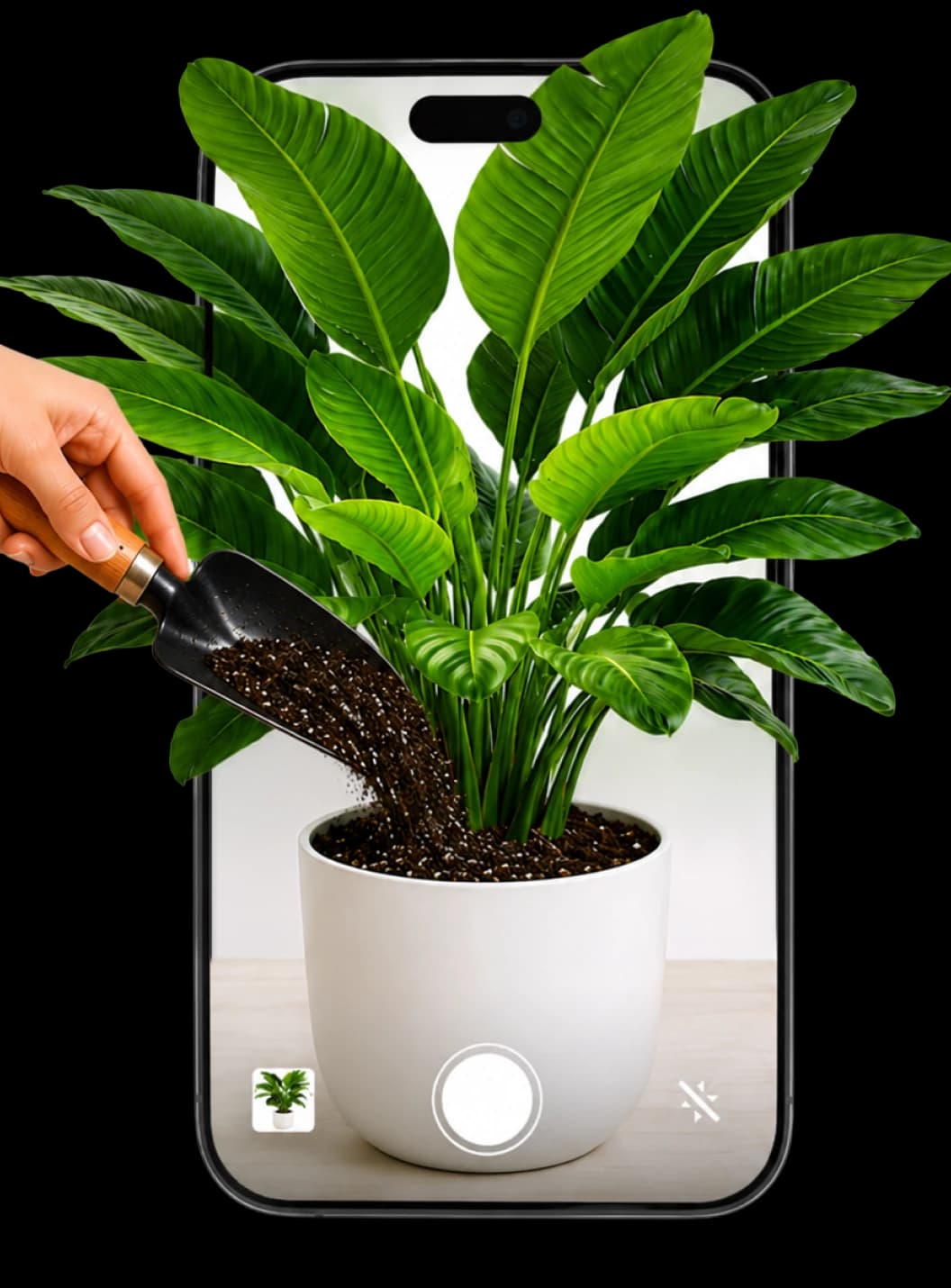
Botan can help identify the plant and guide a soil choice that better matches its root needs and growing style.

FAQ

Yes. Drainage holes let excess water leave the container so the root zone can re-oxygenate. Without them, even a good Cactus soil mix can stay wetter longer than this species prefers.

More Plant Soil Guides

Check What the Soil Is Doing

Use Botan’s photo assessment to check whether a soil issue may be contributing to visible stress and decide what to review next.

Botan app helping with soil and plant care
How to Increase Humidity for Plants – 8 Simple Ways That Work

8 min read · 14 Aug 2026

How to Increase Humidity for Plants – 8 Simple Ways That Work

Dry indoor air stresses a lot of houseplants. You usually notice it first in the browning leaf tips. This guide describes 8 simple ways to raise the moisture around your plants, from humidifiers to pebble trays.

Plant Care
How to Increase Humidity for Plants – 8 Simple Ways That Work
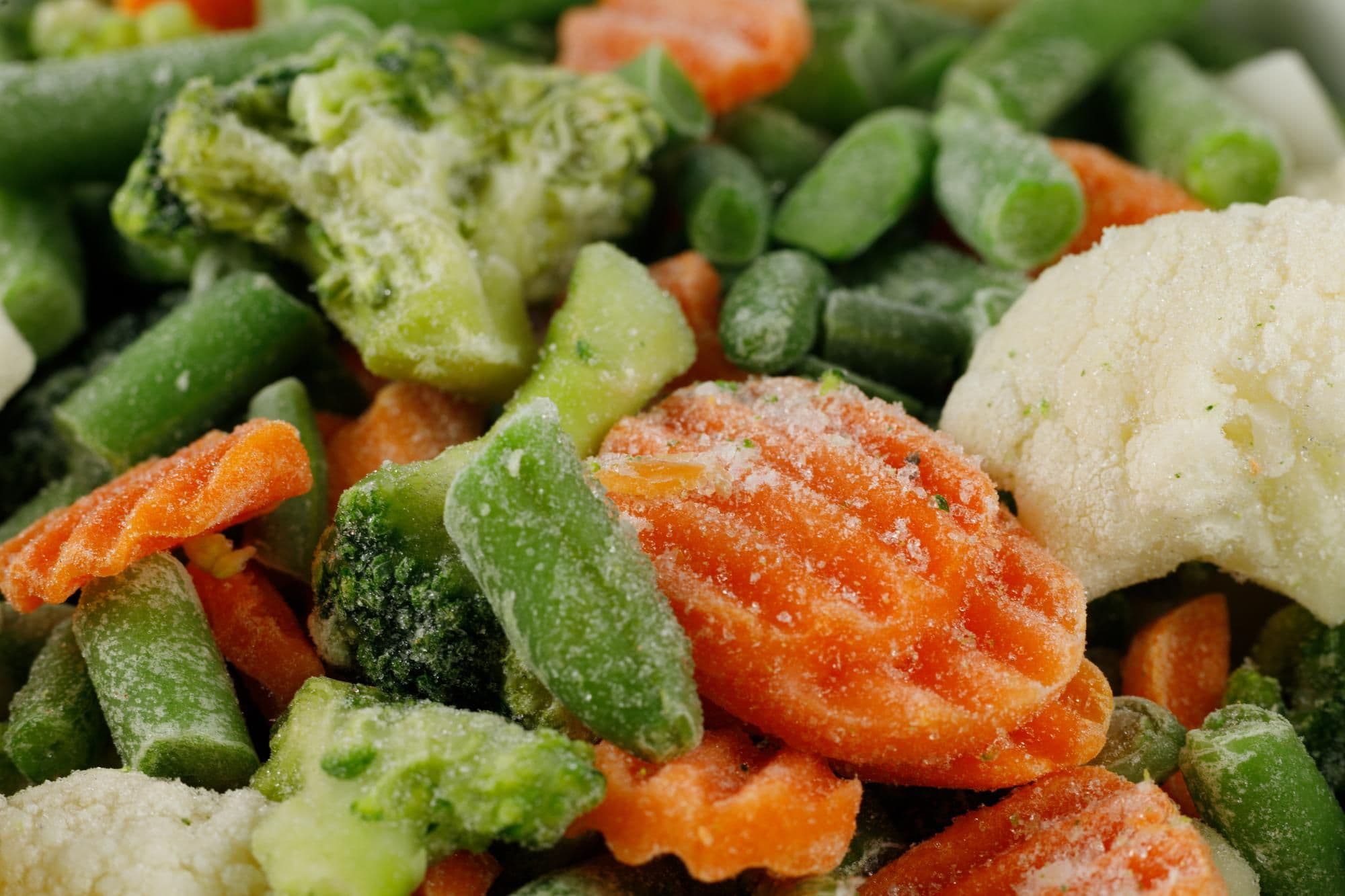
Frozen vs Fresh Vegetable Nutrients: Which Option Is Healthier?

6 min read · 8 Sept 2026

Frozen vs Fresh Vegetable Nutrients: Which Option Is Healthier?

Frozen and fresh vegetables are nutritionally comparable: frozen produce often retains vitamins just as well as fresh and may sometimes contain more. Here’s how blanching and storage affect nutrients—and when to choose each.

Plant Recommendations
Frozen vs Fresh Vegetable Nutrients: Which Option Is Healthier?
How to Tell if a Plant Is Dead

6 min read · 19 Aug 2026

How to Tell if a Plant Is Dead

A plant can lose its leaves, stop growing, or collapse and still remain alive. A closer look at the stems, roots, bulbs, and tubers can show whether the plant still has a chance to recover.

Beginner Guides
How to Tell if a Plant Is Dead