
Cactus Identification (Parodia concinna)

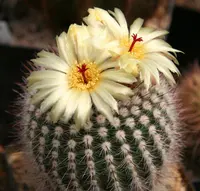
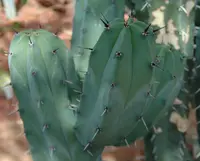
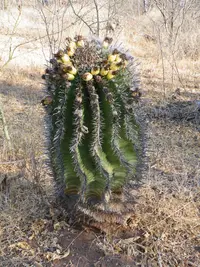
Recognize Parodia concinna by its solitary, globe-shaped to short cylindrical stem, usually under 6 inches (15 cm) wide, with distinct vertical ribs and dense clusters of short, pale spines from each areole.

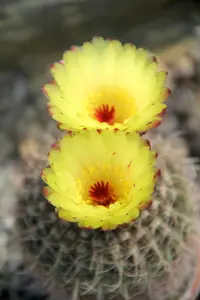
Flowers form near the crown and are yellow, creating a ring at the top rather than along the sides.

Parodia concinna Identification

Identify a Plant by Photo

Upload a plant photo and check the identification in seconds.

Clear images work best. Avoid photos taken too close or too far away

Check Parodia concinna for a small, solitary, rounded stem with neat vertical ribs.

  • Stem is globe-shaped to short-cylindrical, usually about 4-6 inches (10-15 cm) across.
  • Ribs are clearly divided into low chin-like bumps beneath each areole.
  • Areoles sit in tidy vertical rows and carry many fine, pale yellow to whitish spines.
  • Spines are slender rather than heavy, forming a close, bristly covering over the body.
  • Flowers appear near the crown and are funnel-shaped, bright yellow, often around 2 inches (5 cm) wide.

A compact ribbed body with fine pale spines and yellow crown flowers is the most useful visual combination.

Parodia concinna shows several visible changes from a small offset-free body to flowering maturity.

  • Seedling: Seedlings are tiny and nearly spherical, with shallow ribs and fine, soft spines that sit close to the surface.
  • Young plant: The stem becomes more clearly globose to short-cylindrical, usually solitary, with deeper ribbing and denser radial spines than seedlings.
  • Mature plant: Mature plants are broader and firmer in outline, often reaching about 4 inches (10 cm) across, with well-defined ribs and a woollier crown.
  • Flowering stage: Flowers appear from the crown, bright yellow and relatively large for the body, making the top look ringed rather than simply woolly.

Parodia concinna is most distinctive in bloom. In late spring to early summer, the crown produces clear, satiny yellow flowers that sit near the top of the stem, making the rounded body and rib pattern easier to notice. Outside the flowering period, the plant usually keeps the same basic look year-round. Seasonal identification clues are therefore limited mainly to the brief flowering display rather than leaf or stem changes.

Several small globular species can be mistaken for this Cactus at a glance.

Ball cactus(Parodia ottonis)

Often confused because both are solitary to slowly clustering, round plants with yellow flowers. Parodia ottonis usually has broader ribs and a woollier crown, while Parodia concinna tends to show more orderly radial spines and a neater, flatter-topped body.

Lemon ball cactus(Parodia leninghausii)

Young plants can look similar when small and rounded. The easiest check is spine cover and shape: P. leninghausii quickly becomes taller, forming a column, and is densely wrapped in fine golden spines; Parodia concinna stays more globose and less shaggy.

Parodia concinna is native to southern Brazil, especially Rio Grande do Sul, and nearby Uruguay. It occurs in open grassland and rocky ground rather than forest, often on sun-exposed slopes among stones. That setting helps with identification because this species belongs to a group of small South American cacti from pampas-like landscapes, not woodland or desert habitats. In habitat, plants are often solitary or form small clumps in exposed, well-drained sites.

  • Sharp spines: Parodia concinna is a small cactus with firm spines on the stem. The main risk is skin contact injury to humans and pets, including punctures and irritation if the plant is handled or brushed against.

Confirm It from a Photo

Use Botan to compare a photo and help identify or verify the plant, which can reduce mix-ups with similar species.

FAQ

During dormancy, this plant stays compact and leafless, with a firm round to short-cylindrical stem and visible ribs. Growth pauses, but the woolly crown and orderly spines remain key Parodia concinna identification features.

Everything About Cactus

More Plant Identification Guides

Find the Plant. Get the Details.

Identify a plant from a photo with Botan, then review species-specific care information, safety notes, and common problems.

Botan app identifying a plant from a photo
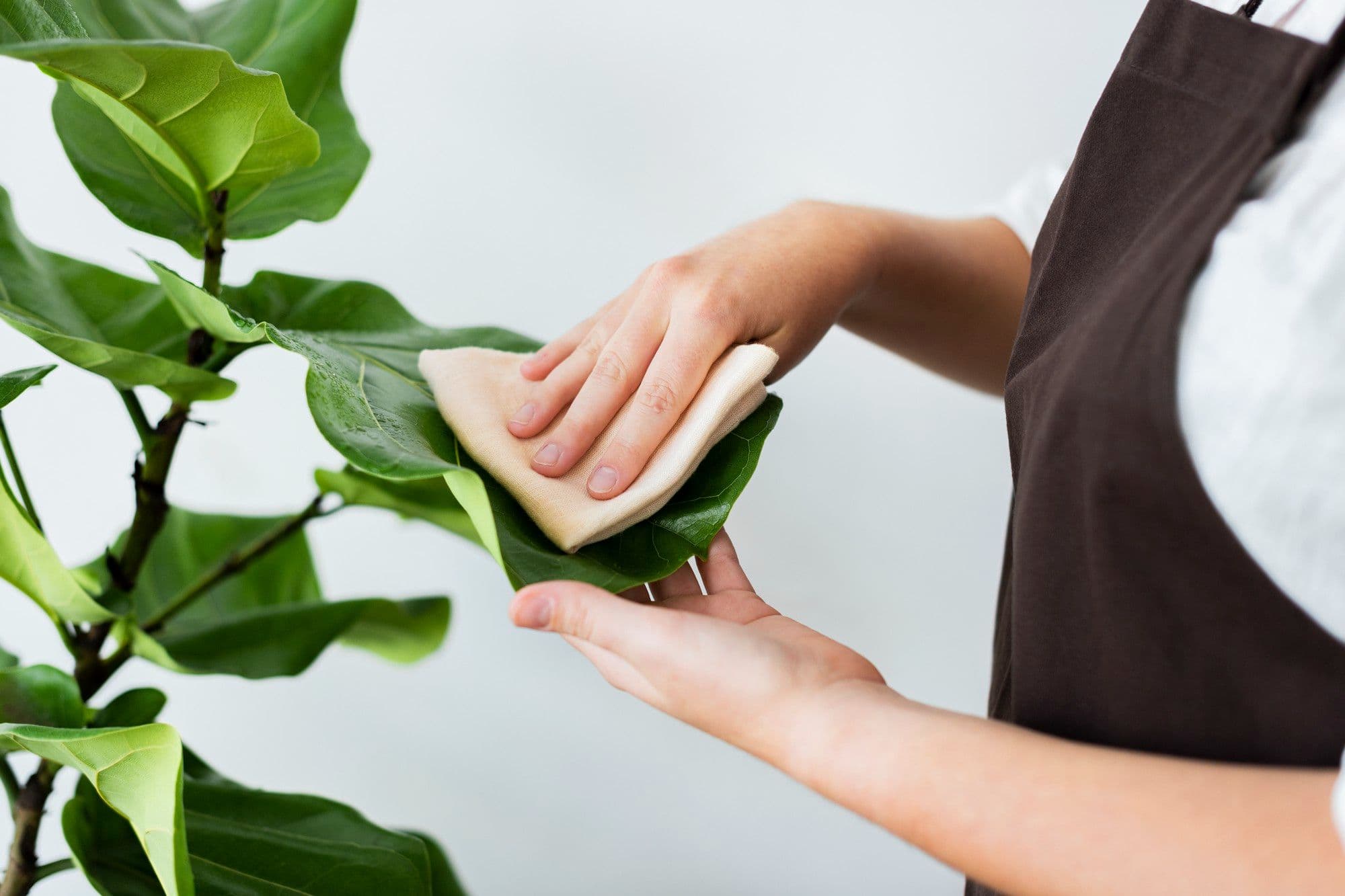
How to Clean Plant Leaves: A Simple Care Guide

6 min read · 4 Aug 2026

How to Clean Plant Leaves: A Simple Care Guide

Dusty leaves look dull and don't absorb light well. Below, you'll find simple ways to clean them, which tools are truly effective, how often you should do it, and what causes damage.

Beginner Guides

How to Clean Plant Leaves: A Simple Care Guide
Top 15 Fast-Growing Trees For Your Garden

13 min read · 28 Jul 2026

Top 15 Fast-Growing Trees For Your Garden

Learn which of the 15 fastest-growing trees will suit your area. We’ll share detailed information on each: growth rate, mature spread, key tree demands, and main vulnerabilities. Read on and make the best choice possible.

Plant Recommendations
Top 15 Fast-Growing Trees For Your Garden
Best Time to Mow Lawn – A Complete Guide

5 min read · 10 Aug 2026

Best Time to Mow Lawn – A Complete Guide

Explore when to mow your lawn for its health and a pleasant green color. Find out the best time for this task during the summer heat, and follow practical tips for correctly cutting the grass, and learn common mistakes to avoid.

Plant Care
Best Time to Mow Lawn – A Complete Guide