Cactus Care (Parodia concinna)

Cactus

About Cactus

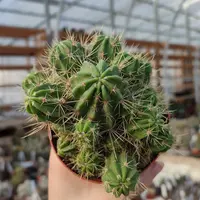
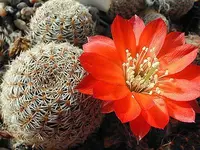
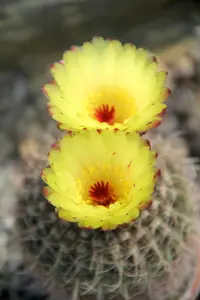
Parodia concinna is a small, slow-growing cactus from rocky regions of South America, especially Brazil and surrounding areas. It forms neat, rounded stems with pronounced ribs and dense clusters of short spines. In good light it produces bright yellow, funnel-shaped flowers near the crown, creating a strong contrast with the green body. This species stays compact, which makes it suitable for windowsills and small indoor spaces. It prefers bright light, low to moderate moisture, and very fast-draining, gritty soil. These traits make it relatively easy to care for Cactus as long as overwatering is avoided.

Main Plant Requirements

Care Difficulty

Easy Care

Light Preference

Partial Sun

Water Requirements

Low Water

Temperature Preference

Tropical / Frost Sensitive

Hardiness Zone

10–11

Soil Texture

Sandy, Loamy, Rocky

Soil pH

Acidic (5.5–6.5), Slightly acidic (6.5–7.0)

Soil Drainage

Well-drained

Fertilization

Light (every 4–6 weeks)

Get Personalized Care Plan

Scan your plant to receive care tips personalized for your specific plant

Available on iOS and Android

How to Care for the Cactus

Parodia concinna prefers bright, indirect light with some gentle direct sun each day.

  • Provide 4–6 hours of morning sun or late-afternoon sun, with light shade during harsh midday hours, especially in summer.
  • Allow light, shifting shade or filtered light from trees or shade cloth; the plant tolerates partial shade but may grow slower and flower less.
  • Watch for stress signs: yellow, bleached, or corked skin indicates too much sun, while pale, elongated growth signals insufficient light.

This species needs infrequent but thorough watering, with soil allowed to dry between waterings.

  • Water only when the top 3–5 cm of soil are completely dry; in warm growing seasons this may mean roughly every 1–2 weeks depending on heat and wind.
  • Use very free-draining, gritty soil so water runs through quickly and no water remains pooled around the roots.
  • Reduce watering sharply in winter, giving just enough to prevent shriveling; soft, yellowing tissue suggests overwatering, while deep wrinkling signals underwatering.

Stable, warm conditions support compact growth and flowering for this cactus.

  • Aim for 70–80°F (21–27°C) during active growth, with nights around 60–68°F (16–20°C) to keep growth firm and healthy.
  • Protect the plant from temperatures below 40°F (4°C); brief light chills may be tolerated, but hard frost will scar or kill tissue.
  • In hot spells above 90°F (32°C), increase airflow, give light shade during midafternoon, and avoid watering with very cold water on sun-heated plants.

Parodia concinna handles typical indoor humidity well and rarely needs special humidity adjustment.

  • Target 30–50% relative humidity, similar to many heated homes, to avoid excess moisture around the stem.
  • Dry air is usually tolerated, but prolonged exposure to very warm, forced-air heating can slightly speed dehydration in small plants.
  • If ribs wrinkle despite correct watering, reduce nearby fan or vent drafts rather than increasing ambient humidity.

Parodia concinna prefers a very fast-draining, mineral-rich growing medium that dries quickly between waterings.

  • Use a gritty mix based on cactus substrate or sandy loam combined with coarse mineral components for structure.
  • Aim for soil that drains completely within a few minutes, with at least half its volume being pumice, perlite, or coarse sand to prevent waterlogging.
  • Keep pH slightly acidic to neutral, around 6.0–7.0, and avoid heavy peat-based blends that stay wet and compact around the roots.
  • Improve aeration by adding extra pumice or fine gravel and avoid using garden soil, which often compacts and restricts root oxygen.

This species is well suited to container growing when drainage and pot proportions are managed carefully.

  • Choose a shallow, wide pot so the relatively small root system can anchor the rounded body without trapping deep, wet soil.
  • Select unglazed terracotta if moisture evaporates slowly in your conditions, helping the mix dry at an appropriate rate.
  • Place the pot in a heavier cachepot or on a stable surface so the plant’s rounded form does not tip in strong breezes or after watering.

This small cactus benefits from light, targeted feeding during its active growth period only.

  • Use a balanced cactus or succulent fertilizer (for example 10-10-10) diluted to 25–50% strength in well-watered soil.
  • Feed every 4–6 weeks in spring and summer, skipping applications during very hot, stressful spells.
  • Stop fertilizing in fall and winter to allow full dormancy and reduce rot risk.
  • Avoid organic compost in pots; instead, use low-salt liquid or slow-release products formulated for cacti.

Parodia concinna needs almost no structural pruning, only basic tidying to maintain health and appearance.

  • Carry out any work in spring or early summer when growth is most active.
  • Remove only dead, diseased, or shriveled tissue using clean, sharp scissors or a knife.
  • Trim off dried flower remains or badly scarred areoles to improve appearance, avoiding green, healthy tissue.
  • Disinfect tools before and after use to limit entry points for fungal or bacterial infections.

This cactus grows slowly and prefers infrequent repotting with minimal root disturbance.

  • Plan to repot every 3–4 years or when roots circle the pot or emerge from drainage holes.
  • Choose late spring as the best time, when active growth resumes and recovery is fastest.
  • Gently loosen the root ball, remove old, compacted mix, and place in a slightly larger pot with gritty cactus soil.
  • Keep roots dry for 5–7 days after repotting, then water lightly to reduce stress and encourage new root growth.

Parodia concinna is most often propagated from seed, which demands warmth, light, and patience.

  • Sow fresh seed in late spring in a sterile, very well-drained cactus mix.
  • Press seed onto the surface and barely cover, then keep at 70–80°F with bright, indirect light.
  • Maintain lightly moist conditions using bottom-watering and a clear cover to hold humidity, venting often.
  • Transplant seedlings gently into individual pots once they are large enough to handle without damaging roots.

This species is sensitive to prolonged cold and needs a cool, very dry rest in winter.

  • Keep indoor temperatures around 45–55°F with good airflow and strong light.
  • Move container plants indoors before temperatures drop near 40°F or any frost is expected.
  • Water very sparingly, just enough to prevent severe shriveling, and stop fertilizing until spring.
  • Ensure the pot and soil stay completely free from standing water to reduce winter root rot risk.

Care Tips

Safe repot timing

Repot only in late spring when new growth starts, as this is when roots recover fastest from disturbance and are less likely to rot in fresh mix.

Top-dress with grit

Apply a 0.5–1 cm layer of horticultural grit or coarse sand on the soil surface to keep the stem base dry, reduce algae growth, and stabilize the plant in its pot.

Rotate for symmetry

Rotate the pot 90° every 2–3 weeks during the bright season so all sides receive similar light and the ribs and spines stay evenly spaced and symmetrical.

Winter resting setup

In winter, move the plant to the brightest cool spot available and keep it completely dry, which helps set flower buds for the following growing season.

Prevent spine damage

Handle the plant only via the pot and use tongs or folded newspaper when moving it, since broken spines do not regrow and permanent damage is common when caring for Cactus.

Everything About Cactus

Common Pests and Diseases

Spider mites

This pest feeds on cactus skin, causing tiny pale dots, dulling of the green color, and fine webbing between ribs or spines. Symptoms include slowed growth and a dusty, faded look on the stem surface.

Solution

Rinse the plant under a gentle stream of lukewarm water to remove mites and webs, keeping the soil mostly dry by shielding it with plastic. After washing, improve air movement, avoid hot stagnant conditions, and use a ready-to-use insecticidal soap or neem oil spray labeled for cacti, repeating every 7–10 days until new growth looks clean.

Mealybugs

These insects appear as white cottony clumps in the cactus areoles, around the base, or on roots if potted in old soil. This pest sucks sap, weakening the plant and making it more prone to fungal problems.

Solution

Dab visible mealybugs with cotton swabs dipped in 70% isopropyl alcohol, and repeat weekly until no new clusters appear. For heavier infestations, unpot the cactus, wash off old soil, inspect roots for white cottony masses, remove them, then repot in fresh mineral-rich cactus mix and use a systemic insecticide labeled for container cacti if needed.

Red spider mite bronzing

This pest problem leads to a reddish-bronze discoloration of the epidermis, especially on sun-exposed sides, and can permanently mark the cactus ribs. Symptoms include a roughened, corky surface where the tissue has been damaged.

Solution

Reduce stress by avoiding very hot, dry, stagnant air and by shading slightly during the most intense midday sun while maintaining high light overall. Rinse the plant thoroughly, then apply a miticide or sulfur-based spray suitable for cacti, ensuring full coverage of ribs and areoles and repeating according to label directions until fresh green growth appears unaffected.

Corky scab (edema-type damage)

This disorder creates hard, brown, cork-like patches on lower ribs where tissue has been stressed by irregular watering or sudden humidity changes. Symptoms include rough, dry scars that do not spread once conditions stabilize.

Solution

Remove only loose, dead tissue if present and leave firm corky areas intact, as they are purely cosmetic. Prevent new damage by using a very free-draining cactus mix, watering deeply but infrequently, and avoiding sudden shifts between very dry and very wet soil or drastic changes in humidity during Cactus indoor care.

Fungal stem spotting

This disease causes small sunken brown or dark spots on the stem that may slowly enlarge under cool, damp conditions or poor air circulation. Symptoms include localized softening around spots if the infection is active.

Solution

Cut out small infected areas with a sterile knife, removing all discolored tissue and allowing the wound to dry and callus in a bright, airy, dry place. Reduce watering, increase airflow, keep the stem dry, and if new spots appear, treat the surface with a sulfur or copper-based fungicide labeled for ornamental cacti, following all safety and interval directions.

Interesting Facts

Flattened rib structure

This species has strongly flattened, spiraling ribs that break into tiny tubercles, creating the characteristic neat cross-hatched pattern that helps distinguish it from many other Parodia and Notocactus species.

Recurved central spines

Its brownish central spines are often slightly curved or hooked backward, which provides a useful diagnostic feature when separating it from similar small yellow-flowering South American cacti.

Narrow yellow flowers

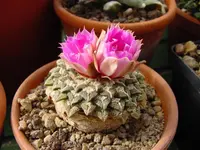
The plant produces relatively narrow, funnel-shaped yellow flowers that form a small crown near the stem apex, and these blooms are followed by small, woolly fruits that remain partly hidden among the spines.

FAQs about Cactus

Lack of flowers usually comes from insufficient light, no cool dry rest in winter, or excess nitrogen fertilizer. Provide strong light, a slightly cooler, drier winter period, and avoid heavy feeding to support bud formation.

Grow Healthy Plants with Botan Care

Keep your plants happy and healthy with plant identification, disease detection, and easy care guidance.

Botan plant care app — identify plants on mobile

Explore More Plants