


Stabilize Tall Stems
Use a heavy, wide-bottomed pot and add a top layer of coarse gravel to keep the plant stable as stems elongate, especially in windy outdoor sites or near frequently opened doors and windows.

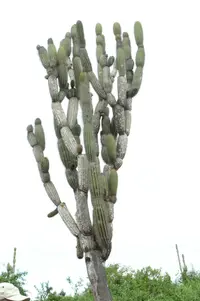
Jasminocereus thouarsii, commonly called candelabra cactus, is a columnar cactus native to the Galápagos Islands. It forms upright, branching stems that resemble a many-armed candlestick. The stems are ribbed and lined with short spines, giving the plant a striking, architectural look as it matures. In habitat it can grow into a small tree, but in containers it usually stays more compact. This species prefers bright, direct light, a warm, dry environment, and very fast-draining, gritty soil. It is generally slow-growing and drought-tolerant, which makes it relatively low-maintenance if those basic needs are met, and understanding how to care for Candelabra Cactus starts with mimicking its arid island conditions.

Care Difficulty
Moderate Care

Light Preference
Full Sun

Water Requirements
Low Water

Temperature Preference
Tropical / Frost Sensitive

Hardiness Zone
12–13

Soil Texture
Sandy, Rocky

Soil pH
Slightly acidic (6.5–7.0), Neutral (7.0)

Soil Drainage
Well-drained

Fertilization
Minimal (feed rarely)
Scan your plant to receive care tips personalized for your specific plant
Available on iOS and Android
Jasminocereus thouarsii thrives in strong, consistent sunlight similar to its native Galapagos habitat.
This columnar cactus prefers thorough but infrequent watering with fast-draining soil.
This species is adapted to warm, dry conditions and dislikes cold, damp weather.
This cactus handles low atmospheric moisture well and rarely needs special humidity management.
This species needs a very fast-draining, mineral-dominant substrate to avoid root rot.
This species is suitable for container growing when the pot is chosen to match its tall, heavy form.
Jasminocereus thouarsii benefits from light feeding but is adapted to lean, rocky soils.
Pruning Jasminocereus thouarsii is minimal and mostly done for safety, health, and space management.
Container-grown Jasminocereus thouarsii needs infrequent repotting due to its slow to moderate growth.
This cactus is most often propagated by stem cuttings, with seed used mainly in specialist collections.
Jasminocereus thouarsii is frost sensitive and needs careful winter management in most temperate regions.

Plant Health Check
Not sure what's wrong with your plant? Check your plant's health inside the app.
This columnar cactus is naturally restricted to the Galápagos Islands, where it grows primarily on arid coastal lava fields and rocky slopes, contributing to the unique appearance of the archipelago’s dry zones.
The species produces tubular, white to greenish-white flowers that open mostly at night and release a sweet jasmine-like fragrance that attracts nocturnal pollinators such as moths.
Its fleshy, greenish to yellowish fruits are eaten by Galápagos reptiles like lava lizards, which help disperse the seeds across the islands through their droppings.

This species is one of the few arborescent cacti in the Galápagos, sometimes forming small tree-like structures that offer perches and limited shelter for island birds in otherwise sparsely vegetated lava landscapes.
Growth is slow to moderate. In suitable warm, bright, dry conditions, new stems usually extend only a few cm per year. Limited root space, cool temperatures, or frequent disturbance slow it further, so expectations should stay modest.
Keep your plants happy and healthy with plant identification, disease detection, and easy care guidance.

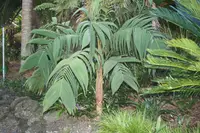
Undulate Shadowplant
Geonoma undata
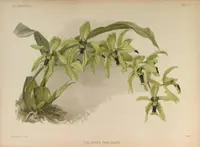
Black orchid
Coelogyne pandurata
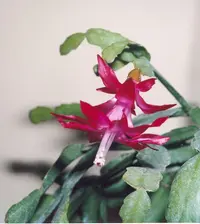
Schlumbergera × buckleyi
Schlumbergera × buckleyi
dagger cholla
Grusonia invicta

Acanthocalycium spiniflorum
Acanthocalycium spiniflorum
Road Kill Cactus
Consolea rubescens
Lemaireocereus hollianus
Lemaireocereus hollianus
 POPULAR
Felt bush
Kalanchoe beharensis