


Stabilize Tall Stems
As stems exceed 40–60 cm, secure them with discreet stakes or a heavy top-dressing of coarse gravel to prevent tipping and root disturbance when the tall column becomes top-heavy.

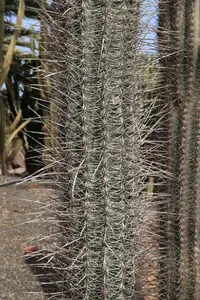
Lemaireocereus hollianus is a columnar cactus native to arid regions of Mexico, where it grows on rocky slopes and well-drained desert soils. It forms tall, upright stems with pronounced ribs and short, dense spines, often branching as it matures.
In cultivation it is usually grown as a striking architectural specimen, either in a bright indoor spot or a dry outdoor garden in warm climates. Its slow growth, drought tolerance, and low maintenance make it suitable for growers who prefer a hardy plant, as long as they provide strong light, minimal watering, and gritty soil and understand how to care for Lemaireocereus hollianus.

Care Difficulty
Easy Care

Light Preference
Full Sun

Water Requirements
Low Water

Temperature Preference
Tropical / Frost Sensitive

Hardiness Zone
10–11

Soil Texture
Sandy, Loamy, Rocky

Soil pH
Slightly acidic (6.5–7.0), Neutral (7.0)

Soil Drainage
Well-drained

Fertilization
Minimal (feed rarely)
Scan your plant to receive care tips personalized for your specific plant
Available on iOS and Android
This cactus needs strong light but benefits from protection from the harshest sun in many climates.
This species is highly drought-tolerant and is easily damaged by excess moisture around the roots.
This desert cactus prefers warm, dry conditions and is sensitive to sustained cold and frost.
This cactus handles typical indoor humidity well and rarely needs special adjustment.
Soil for Lemaireocereus hollianus must be very fast-draining and highly aerated to prevent root rot.
This species is suitable for container growing when the pot is chosen to manage height and weight safely.
This desert cactus needs only light feeding to support slow, healthy growth.
Lemaireocereus hollianus needs very little pruning, mainly for safety and health.
This columnar cactus prefers to stay undisturbed and is repotted or transplanted infrequently.
Propagation of Lemaireocereus hollianus is possible but slow and usually done by cuttings or seed.
Cold-sensitive Lemaireocereus hollianus needs careful winter management in most climates.

Plant Health Check
Not sure what's wrong with your plant? Check your plant's health inside the app.
This columnar cactus is naturally restricted to semi-arid regions of central Mexico, where it grows on rocky slopes and alluvial fans in open scrub and thorn forest habitats.
Its nocturnal, tubular white flowers open at night and produce nectar that attracts nectar-feeding bats, which serve as the main pollinators in its native range.
In addition to larger spines, its areoles bear tiny barbed bristles called glochids, which detach easily and embed in skin, offering the plant an extra layer of herbivore defense.

This species develops tall, tree-like clumps of many parallel columns over time, creating dense vertical stands that can act as structural habitat for birds, insects, and other wildlife in its native dry landscapes.
This species performs best outdoors in warm, arid or semi-arid climates, where it receives strong light, heat, and excellent drainage. Indoors it survives but grows slowly and may not reach its natural columnar size or flower reliably.
Keep your plants happy and healthy with plant identification, disease detection, and easy care guidance.


Acanthocalycium spiniflorum
Acanthocalycium spiniflorum
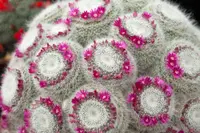
Old Lady Cactus
Mammillaria hahniana
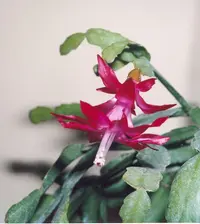
Schlumbergera × buckleyi
Schlumbergera × buckleyi
 POPULAR
Moon Cactus
Gymnocalycium mihanovichii
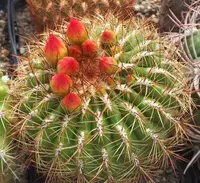
Oroya peruviana
Oroya peruviana
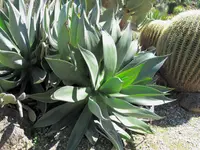
Agave chiapensis
Agave chiapensis
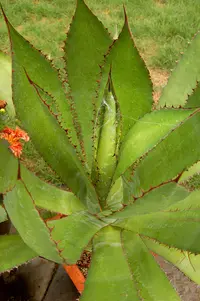
Cow Horn Agave
Agave bovicornuta
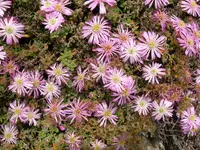
showy dewflower
Drosanthemum floribundum