Cow Horn Agave Care (Agave bovicornuta)

Cow Horn Agave

About Cow Horn Agave

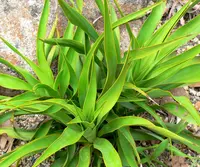
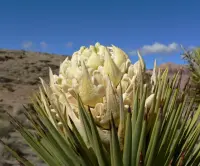
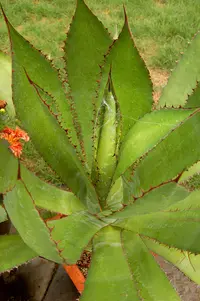
Cow horn agave, Agave bovicornuta, is a medium to large rosette-forming succulent known for its thick, bright green leaves with bold, horn-like reddish spines. The plant grows as a single, symmetrical rosette rather than forming dense clumps, giving it a strong architectural look in dry landscapes and large containers. Native to rocky slopes and canyons in northwestern Mexico, it is naturally adapted to high light, sharp drainage, and periods of drought. Its slow growth and strong spines are the main traits that affect how easy it is to handle and site safely. With plenty of sun, gritty soil, and infrequent watering, it is relatively straightforward to care for Cow Horn Agave.

Main Plant Requirements

Care Difficulty

Easy Care

Light Preference

Full Sun

Water Requirements

Low Water

Temperature Preference

Tropical / Frost Sensitive

Hardiness Zone

9–11

Soil Texture

Sandy, Loamy, Rocky

Soil pH

Slightly acidic (6.5–7.0), Neutral (7.0)

Soil Drainage

Well-drained

Fertilization

Minimal (feed rarely)

Get Personalized Care Plan

Scan your plant to receive care tips personalized for your specific plant

Available on iOS and Android

How to Care for the Cow Horn Agave

This desert succulent thrives in strong light that mimics full sun in its native habitat.

  • Provide 6–8 hours of direct sun daily; in very hot climates, give Cow Horn Agave light afternoon shade to reduce leaf scorching.
  • Site plants in open, unshaded positions; bright morning sun with slightly filtered late-day light works well in USDA zones with intense summer sun.
  • Watch for signs of stress: pale, stretching rosettes indicate too little light, while browned leaf tips or bleached patches suggest excessive, harsh sun exposure.

This species is highly drought-tolerant and prefers infrequent, deep watering with fast drainage.

  • Allow soil to dry fully between waterings, at least the top 5–8 cm, then water deeply so it drains quickly and does not pool around the crown.
  • In hot, dry summers, expect to water established in-ground plants roughly every 2–4 weeks, less often in cooler or humid conditions.
  • Reduce watering sharply in fall and winter; yellowing, soft leaves suggest overwatering, while crisp, folding leaves indicate the plant has stayed dry too long.

This agave prefers warm, arid conditions but tolerates a range of outdoor temperatures when kept dry.

  • Ideal growth occurs around 70–90°F (21–32°C), with strong light and low to moderate humidity typical of arid or semi-arid regions.
  • Agave bovicornuta tolerates brief dips to about 25–28°F (-4 to -2°C) if soil is dry, but prolonged freezes increase risk of tissue damage.
  • In very hot spells above 100°F (38°C), ensure excellent airflow and consider light afternoon shade to prevent leaf burn and reduce heat stress.

This species tolerates typical indoor humidity and does not require special adjustments.

Agave bovicornuta needs very fast-draining, mineral-based soil to prevent root rot.

  • Use a gritty mix such as 50–60% coarse sand or pumice with 40–50% cactus potting mix for structure.
  • Ensure the mix feels loose and crumbly; avoid dense, peat-heavy substrates that stay wet for more than 1–2 days.
  • Aim for slightly acidic to neutral pH around 6.0–7.0, avoiding strongly acidic or alkaline conditions.
  • Improve aeration and drainage by adding extra pumice or small gravel if water does not drain through within a few seconds.

This species is suitable for container growing outdoors in warm climates.

  • Choose a wide, heavy pot to counterbalance the spreading rosette and prevent tipping in wind.
  • Select unglazed clay if faster drying is needed, or thicker ceramic in very hot regions to buffer root temperature.
  • Elevate the pot on feet or bricks so drainage holes stay clear and excess water escapes rapidly after rain or watering.

This desert succulent needs only light feeding, as Agave bovicornuta is adapted to lean, rocky soils.

  • Use a low-dose balanced NPK or diluted cactus fertilizer at 1/4–1/2 strength.
  • Feed once in late spring and once in mid-summer during active growth.
  • Avoid fertilizing in fall and winter to prevent soft, frost-sensitive growth.
  • Do not use rich compost or frequent feeding, which can cause weak, elongated leaves.

Pruning needs for Agave bovicornuta are minimal and mainly hygienic rather than shaping.

  • Carry out any pruning in late spring or summer when growth is active.
  • Remove only dead, dried, or damaged leaves at the base using clean, sharp pruners.
  • Cut close to the stem without damaging healthy tissue to maintain the natural rosette form.
  • Wear thick gloves and eye protection to avoid injury from sharp spines.

Container-grown plants need infrequent repotting, while in-ground Agave bovicornuta is usually transplanted only once.

  • Repot or transplant every 3–5 years, or when roots circle the pot or growth slows.
  • Plan moves for late spring, using a fast-draining gritty mix and a pot just 2–5 cm wider.
  • Handle the root ball gently, keeping as much soil intact as possible.
  • After moving, keep soil barely moist for 1–2 weeks to limit root stress and rot risk.

Propagation of Agave bovicornuta is possible but often limited by the plant’s modest offset production.

  • Divide offsets in late spring or early summer once they have several firm leaves and good roots.
  • Use a clean knife to separate pups, letting cut surfaces dry 1–2 days before potting.
  • Plant in a coarse, well-drained mix and keep slightly dry until new growth appears.
  • Seed propagation is slow and requires warm temperatures, bright light, and very sharp drainage.

Winter care is important in climates colder than the native range of Agave bovicornuta.

  • This species is only marginally frost tolerant; aim to keep above 25°F, ideally 30–40°F.
  • In-ground plants benefit from a deep, dry gravel mulch to insulate the crown and roots.
  • Keep foliage completely dry in prolonged cold, using a rain shelter if winters are wet.
  • Move containers indoors to a bright, cool, dry spot before sustained freezing nights.

Care Tips

Protect spine tips

Place the container away from narrow walkways and use a heavy, stable pot so the sharp terminal spines are less likely to snag clothing or skin during routine access.

Rotate for symmetry

Turn the pot 90° every 4–6 weeks during active growth so the rosette develops evenly and does not lean toward the brightest side.

Use gritty topdress

Apply a 1–2 cm layer of coarse gravel or pumice on the soil surface to keep lower leaves dry, reduce rot around the crown, and discourage fungus gnat larvae.

Plan for offsets

Inspect the base once or twice a year and remove young offsets with a clean, sharp knife only when they have their own roots, then allow the cut surfaces to dry several days before potting.

Winter rain management

If grown outdoors in regions with wet winters, position the plant under an eave or use a simple clear rain shield so the rosette and crown stay mostly dry during prolonged rain while still receiving good light, which is essential when growing Cow Horn Agave in cool, wet climates.

Common Pests and Diseases

Agave snout weevil

This pest bores into the base of the rosette, causing internal damage that leads to wilting, yellowing, and eventual collapse of the plant. Symptoms include a loose, wobbly crown and a fermented or rotten smell at the base.

Solution

Remove and dispose of heavily infested plants, including surrounding soil, to prevent spread. For remaining plants, apply a systemic insecticide labeled for weevils to the soil around the base in spring and early summer, and avoid overwatering or heavy mulch that can shelter adult beetles.

Scale insects

These insects attach to leaves and stems, sucking sap and forming small, rounded or oval bumps that can be brown, gray, or whitish. This pest often leaves sticky honeydew that can encourage sooty mold.

Solution

Manually scrape or wipe off scales with a cotton pad dipped in isopropyl alcohol, focusing on leaf bases and undersides. In heavier infestations, use repeated applications of horticultural oil or insecticidal soap, ensuring full coverage while keeping the plant in bright, dry, well-ventilated conditions.

Mealybugs

This pest appears as white, cottony clusters tucked into leaf axils and along roots, causing stunted growth and yellowing. Honeydew production can lead to black sooty mold on the leaves and surrounding surfaces.

Solution

Isolate the affected plant and remove visible mealybugs with a cotton swab dipped in isopropyl alcohol, repeating weekly until clear. For persistent problems, use insecticidal soap or a systemic insecticide labeled for succulents, and avoid excess nitrogen fertilizer that encourages soft, attractive new growth.

Leaf spot

This disease causes small, water-soaked lesions on leaves that expand into tan, brown, or dark spots, sometimes with a yellow halo. Symptoms include rough or sunken areas on thick leaves that may crack over time.

Solution

Remove and discard affected leaves or leaf sections and improve airflow around the rosette by spacing plants and keeping debris off the soil surface. Avoid overhead watering, keep leaves dry, and if the problem progresses, apply a copper-based or other labeled fungicide according to the product directions, especially in humid or rainy periods.

Interesting Facts

Bull horn leaf teeth

This species is named for its large, curved, horn-colored marginal teeth along the leaf edges, which resemble the horns of cattle and provide physical defense against large herbivores.

Restricted mountain range

It is naturally found in a relatively limited area of the Sierra Madre Occidental in northwestern Mexico, growing on rocky slopes and oak-pine woodland clearings rather than widespread desert plains.

Solitary rosette growth

Unlike many agaves that produce numerous offsets, this species typically forms a single, solitary rosette, which makes mature wild plants more vulnerable to removal and habitat disturbance.

Botan icon

Did you know?

This species is considered threatened in parts of its native range in Mexico due to habitat loss and over-collection, and it is listed as Vulnerable on the IUCN Red List.

FAQs about Cow Horn Agave

Brown leaf tips or patches usually come from sunburn, cold damage, underwatering, or old age. Brown, mushy bases suggest rot from excess moisture. Remove damaged leaves with clean tools and adjust watering and exposure conditions.

Grow Healthy Plants with Botan Care

Keep your plants happy and healthy with plant identification, disease detection, and easy care guidance.

Botan plant care app — identify plants on mobile

Explore More Plants