Root zone spacing
When planting in the ground, leave at least 45–60 cm of open, unmulched soil around the crown so new rosettes can emerge without competition from turf or groundcovers.

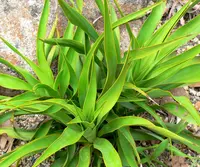
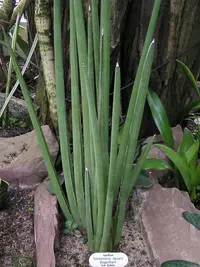
Twist-leaf yucca (Yucca rupicola) is a small, stemless yucca native to rocky habitats in central Texas. It forms low rosettes of narrow, twisting green leaves that give the plant its distinctive look.
This species grows slowly and stays compact, which makes it suitable for dry gardens and large containers. Its strong drought tolerance and preference for bright sun make it relatively low-maintenance if drainage is excellent.
Understanding how to care for twist-leaf yucca starts with mimicking its natural habitat: very well-drained, gritty soil, plenty of light, and only occasional watering once established.

Care Difficulty
Easy Care

Light Preference
Full Sun

Water Requirements
Low Water

Temperature Preference
Warm Climate

Hardiness Zone
7–10

Soil Texture
Sandy, Loamy, Rocky

Soil pH
Slightly acidic (6.5–7.0), Slightly alkaline (7.0–7.5)

Soil Drainage
Well-drained

Fertilization
Minimal (feed rarely)
Scan your plant to receive care tips personalized for your specific plant
Available on iOS and Android
Yucca rupicola thrives in bright, direct sun but tolerates some light shade in hotter regions.
Yucca rupicola is drought-tolerant and prefers infrequent, deep watering in sharply drained soil.
This yucca prefers warm, dry conditions and tolerates a wide range of outdoor temperatures once established.
This species prefers dry air and rarely needs humidity adjustment indoors.
Yucca rupicola performs best in very fast-draining, mineral-rich soil that mimics rocky, sandy habitats.
This species adapts well to container growing when drainage and stability are managed carefully.
Yucca rupicola is a tough, low‑nutrient desert species that benefits from only light, infrequent feeding in poor soils or containers.
Yucca rupicola needs minimal pruning, mainly to maintain a clean, safe clump and support flowering performance.
This species is usually grown in the ground; transplanting Yucca rupicola is infrequent and should be done carefully to limit root disturbance.
Yucca rupicola is commonly propagated by division of offsets and by stem or rhizome cuttings rather than by seed for home growers.
This yucca is fairly cold hardy in much of its outdoor range and usually needs only modest winter care.

Plant Health Check
Not sure what's wrong with your plant? Check your plant's health inside the app.
This species is naturally restricted to thin, rocky limestone soils of the Edwards Plateau and nearby Texas Hill Country, where its twisted leaves help it tolerate high light, heat, and intense reflection from pale rock.
Unlike many other yuccas that form tall trunks, this plant usually stays trunkless and forms low, dense rosettes that hug the ground, helping it resist wind exposure and reduce water loss in its dry native habitat.
In the wild, its white, bell-shaped flowers are pollinated at night by yucca moths, which both transfer pollen and lay eggs in the flowers, creating a highly specialized mutualism where both species depend on each other to reproduce.

Yucca rupicola is considered endemic to Texas, meaning it occurs naturally only in that region and nowhere else in the world, making local conservation of its rocky habitats especially important for the long-term survival of its wild populations.
Brown leaf tips usually come from underwatering, low humidity, or accumulated salts from fertilizer. Large brown patches can indicate cold damage or root stress. Trim dry tips, flush the soil occasionally, and adjust watering frequency.
Keep your plants happy and healthy with plant identification, disease detection, and easy care guidance.