


Root-zone containment
In open ground, install a 20–30 cm deep root barrier or plant in a large, heavy container to limit spread and make future removal or relocation safer and more manageable.

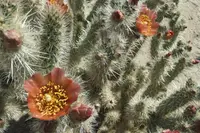
Wolf's opuntia (Cylindropuntia wolfii) is a shrubby, segmented cactus known for its cylindrical joints covered in sharp spines and fine, barbed glochids. It often forms dense clumps that stand out in dry, rocky landscapes.
This species is native to arid regions of the southwestern United States and northern Baja California, where it is adapted to intense sun and minimal rainfall. It produces showy, usually yellow to orange flowers followed by small, spiny fruits.
Its strong drought tolerance and low nutrient needs make it relatively easy to maintain, provided it has excellent drainage and plenty of light. Understanding how to care for Wolf's opuntia mainly involves avoiding excess moisture and handling the plant carefully due to its spines.

Care Difficulty
Moderate Care

Light Preference
Full Sun

Water Requirements
Low Water

Temperature Preference
Warm Climate

Hardiness Zone
9–11

Soil Texture
Sandy, Rocky, Loamy

Soil pH
Slightly acidic (6.5–7.0), Slightly alkaline (7.0–7.5)

Soil Drainage
Well-drained

Fertilization
Minimal (feed rarely)
Scan your plant to receive care tips personalized for your specific plant
Available on iOS and Android
This desert cactus needs strong sun to stay compact and bloom well.
This species is highly drought-tolerant and should be kept on the dry side.
This cactus is adapted to hot, arid climates but has some cold tolerance.
This desert cactus handles very dry air and rarely needs humidity adjustment indoors.
This species needs a very fast-draining, mineral-based substrate to prevent root and stem rot.
This cactus is suitable for container growing when the pot is prepared for stability and very rapid drainage.
This desert cactus needs only light feeding, as Cylindropuntia wolfii is adapted to nutrient-poor soils.
Pruning Cylindropuntia wolfii is mainly a safety and shaping task rather than a growth requirement.
This cactus is usually grown in the ground, so focus on careful transplanting rather than frequent repotting.
Propagation of Cylindropuntia wolfii is commonly done from stem cuttings rather than seed for predictable results.
This species is fairly cold tolerant when kept dry but benefits from simple winter precautions in cold or wet climates.

Plant Health Check
Not sure what's wrong with your plant? Check your plant's health inside the app.
This cholla is naturally restricted to a small region around the lower Colorado River on the California–Baja California border, making it a true geographic specialist of hot, rocky desert slopes and washes.
Unlike many other chollas with stiff, strongly upright joints, this species forms relatively slender, somewhat drooping stem segments that give mature plants a more open, cascading outline.
Its spines are covered in pale, papery sheaths that can show distinct banding, which helps reflect intense desert sunlight and reduces heat load on the stem surface.

This species is considered one of the rarest chollas in the United States and has been monitored by conservation botanists because its naturally small range and scattered populations make it vulnerable to habitat disturbance.
This species can spread through dropped stem segments that root easily, especially in dry, open sites. It is not typically invasive in managed gardens, but unwanted pads should be removed and discarded carefully to limit spread.
Keep your plants happy and healthy with plant identification, disease detection, and easy care guidance.

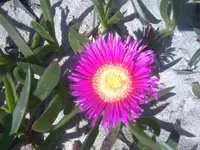
Angled Sea Fig
Carpobrotus aequilaterus
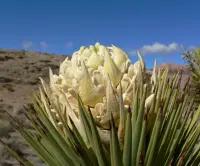
Joshua tree
Yucca brevifolia
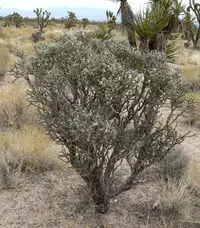
branched pencil cholla
Cylindropuntia ramosissima
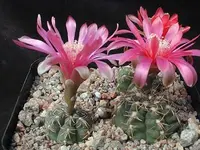
Dwarf Chin Cactus
Gymnocalycium baldianum
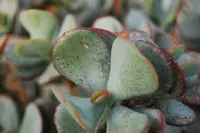
Silver Jade Plant
Crassula arborescens
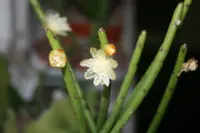
Rhipsalis floccosa
Rhipsalis floccosa
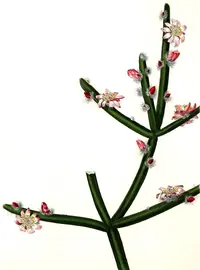
Rhipsalis dissimilis
Rhipsalis dissimilis
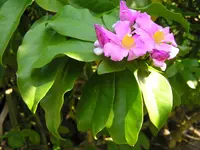
rose cactus
Rhodocactus grandifolius