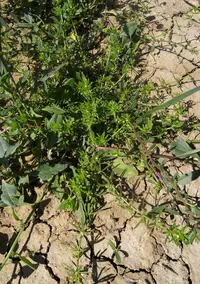
perennial wallrocket Care (Diplotaxis tenuifolia)

Also known as: Sand Rocket, Lincoln Weed
perennial wallrocket

About perennial wallrocket

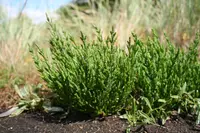
Perennial wallrocket (Diplotaxis tenuifolia) is a hardy, long-lived herb in the mustard family, commonly grown as a leafy salad plant and culinary herb. It forms low, spreading clumps with deeply cut, dark green leaves and small yellow flowers held on slender stems. Native to Europe and western Asia, it now grows widely in temperate regions, often in open, disturbed sites and light, well-drained soils. This species grows quickly, resents waterlogging, and can self-seed, which generally makes it easy to manage in home gardens. Understanding how to care for perennial wallrocket helps keep its growth vigorous and leaves tender for regular harvest.

Main Plant Requirements

Care Difficulty

Easy Care

Light Preference

Full Sun

Water Requirements

Moderate Water

Temperature Preference

Cool Climate

Hardiness Zone

4–9

Soil Texture

Sandy, Loamy, Rocky

Soil pH

Slightly acidic (6.5–7.0), Slightly alkaline (7.0–7.5)

Soil Drainage

Well-drained

Fertilization

Minimal (feed rarely)

Get Personalized Care Plan

Scan your plant to receive care tips personalized for your specific plant

Available on iOS and Android

How to Care for the perennial wallrocket

Diplotaxis tenuifolia thrives in bright outdoor conditions with several hours of direct sun each day.

  • Provide 4–6 hours of direct sun daily, ideally morning sun with light or filtered exposure in the afternoon to limit leaf scorch in hot summers.
  • Plant in an open, unshaded spot; it tolerates light partial shade but growth and leaf flavor are best with at least half-day sun.
  • In cooler seasons or cloudy climates, choose the sunniest available location, as prolonged low light leads to lanky, less flavorful perennial wallrocket foliage.

This plant prefers moderately moist, well-drained soil and does not tolerate prolonged saturation.

  • Allow the top 2–3 cm of soil to dry before watering again, using the feel of the soil rather than a fixed schedule.
  • Use free-draining soil or beds so excess water runs off quickly; soggy conditions cause yellowing leaves, soft stems, and root rot.
  • In hot, dry weather, expect faster drying and more frequent watering, while in cool or rainy periods reduce watering to prevent constantly wet soil.

This species is fairly hardy and grows best in mild to warm conditions.

  • Optimal growth occurs around 60–75°F (16–24°C), when foliage develops quickly and flavor remains mild.
  • Plants tolerate brief drops to about 20–25°F (-6 to -4°C); light frosts may only slow growth, but hard, prolonged freezes can kill top growth.
  • In hot spells above 85–90°F (29–32°C), growth may slow and leaves can toughen, so provide afternoon shade and consistent soil moisture to limit heat stress.

Humidity is not a significant factor for Diplotaxis tenuifolia in typical home or outdoor conditions.

This species prefers lean, well-drained soil that does not stay wet for long.

  • Use a sandy or sandy-loam mix with modest organic matter, such as 60–70% garden soil plus 30–40% coarse sand or grit.
  • Ensure very rapid drainage; water should infiltrate within seconds and not pool on the surface.
  • Aim for slightly acidic to neutral pH around 6.0–7.5, avoiding very acidic or strongly alkaline substrates that limit nutrient availability.
  • Improve aeration by blending in coarse sand or small grit instead of moisture-holding peat when preparing beds for Diplotaxis tenuifolia.

This species is suitable for container growing, especially for easy harvest and controlled spread.

  • Choose a pot at least 20–25 cm deep so the taproot can develop without curling tightly at the base.
  • Use a relatively wide container to accommodate its spreading habit and reduce the risk of the plant becoming root-bound at the sides.
  • Select a heavier material such as terracotta or dense ceramic to keep the container stable in windy, exposed sites.

This hardy herb needs only modest feeding to stay productive in most garden soils.

  • Apply a light dressing of compost or well-rotted manure in early spring to boost soil organic matter.
  • Use a balanced liquid fertilizer at half strength every 4–6 weeks during active growth if foliage looks pale or growth slows.
  • Reduce or stop feeding in late fall and winter when growth naturally slows, especially in cold climates.
  • Avoid high-nitrogen products that cause lush but weak growth and can reduce flavor in perennial wallrocket leaves.

Pruning supports leafy, tender growth and keeps Diplotaxis tenuifolia compact and productive.

  • Harvest by cutting outer leaves or soft stems, which encourages fresh regrowth from the center.
  • In late summer or after flowering, shear back straggly or leggy stems to restore a dense mound.
  • Remove yellow, dead, or damaged leaves with clean scissors or snips to limit disease and improve airflow.
  • Cut off most flower stalks if the goal is continuous leaf production rather than seed set.

This plant is usually grown in beds, so focus on thoughtful transplanting rather than frequent repotting.

  • Transplant seedlings or young plants in spring once frost risk has passed and roots lightly fill starter cells or pots.
  • Choose a sunny site with well-drained soil and space plants 20–30 cm apart to prevent overcrowding and mildew.
  • Handle root balls gently, keeping soil around roots intact, and water immediately after planting to limit transplant shock.
  • Container plants only need larger pots when roots circle the sides or growth slows despite good light and moisture.

Diplotaxis tenuifolia is most often renewed from seed, though division of small clumps also works.

  • Sow fresh seed in early spring or late summer, directly in the ground or in trays with well-drained seed mix.
  • Provide 60–70°F, consistent moisture, and light exposure for germination, which usually occurs within 7–14 days.
  • Thin or transplant seedlings when they have 2–3 true leaves, disturbing roots as little as possible.
  • Divide established clumps in early spring, replanting sections at the same depth and watering well to settle soil.

This perennial is fairly cold hardy and usually needs minimal winter attention in mild to moderate climates.

  • Tolerates light to moderate frost, but leaf quality declines in hard freezes and growth slows or stops.
  • In colder regions, apply a 3–5 cm mulch layer around the crown to buffer freeze–thaw cycles.
  • For container plants in zones with severe frost, move pots to a sheltered, unheated but frost-free location until spring.

Care Tips

Staggered Succession Sowing

Sow small batches every 2–3 weeks during the cool season so older plants that become woody are continuously replaced with fresh, tender growth for harvest.


Timed Harvest For Flavor

Harvest in the cooler hours of early morning or late evening, when leaves are fully turgid, to reduce wilting and maintain milder flavor and better storage quality.

Cut‑And‑Come‑Again Technique

Use clean scissors to cut outer leaves 2–3 cm above the crown, leaving the central growing point intact to encourage rapid regrowth and prolong the productive life of each plant.

Row Cover For Quality

Install lightweight insect netting or floating row cover immediately after sowing to protect foliage from flea beetles and other small pests without reducing light levels needed for growing perennial wallrocket.

Cool‑Season Bolt Management

When plants start to elongate and form flower stalks, remove the most advanced bolting plants and replant that space promptly to keep the bed dominated by young, leafy plants with better texture and taste.

Common Pests and Diseases

Flea beetles

These insects chew many small round holes in the leaves, giving foliage a shot‑holed or sieve‑like appearance and slowing plant growth.

Solution

Use floating row covers to physically exclude beetles, keep nearby weeds from the Brassicaceae family down, and apply neem oil or a spinosad-based product in the evening if damage is heavy, following label directions for edible greens.

Cabbage aphids

This pest forms dense gray‑green colonies on young shoots and leaf undersides, causing curling, distortion, and sticky honeydew deposits.

Solution

Spray plants with a strong stream of water to dislodge colonies, remove and discard heavily infested shoots, encourage lady beetles and other predators, and use insecticidal soap on leaf undersides, repeating every 5–7 days until numbers drop.

Downy mildew

This disease produces yellow to pale patches on upper leaf surfaces with fuzzy gray‑white growth underneath, especially in cool, humid weather, and can make leaves unmarketable.

Solution

Improve air circulation, avoid overhead watering, remove affected leaves promptly, and rotate planting areas yearly; in commercial or repeated cases, use an appropriate copper or biological fungicide labeled for arugula‑type crops as part of broader Diplotaxis tenuifolia care instructions.

White blister

This disease causes pale spots and blister‑like white pustules on leaves and stems, which can distort young tissue and reduce harvest quality.

Solution

Remove and destroy infected leaves, avoid working among plants when foliage is wet, extend crop rotation out of Brassicaceae for at least 2–3 years, and keep spacing generous to lower humidity around the canopy.

Sclerotinia stem rot

Symptoms include sudden wilting and collapse of plants, with white cottony fungal growth and hard black sclerotia inside hollowed stems or at the crown, usually in cool, moist soil conditions.

Solution

Pull and discard affected plants with surrounding soil, improve drainage and avoid over‑irrigation, increase spacing for better airflow, and rotate away from other susceptible crops such as lettuce and beans for several years to reduce soil inoculum.

Interesting Facts

Perennial wild rocket

This species is a true perennial, unlike annual salad rocket (Eruca vesicaria), and can regrow from the same rootstock for several years under mild temperate conditions.

High glucosinolate content

Its leaves contain notable levels of glucosinolates, sulfur-containing compounds typical of the mustard family, which contribute to the sharp, peppery taste valued in salads and cooked dishes.

Drought‑tolerant root system

It develops a relatively deep, persistent root system for a small herb, which allows it to tolerate dry, nutrient-poor, and disturbed soils better than many other leafy vegetables.

Botan icon

Did you know?

Perennial wallrocket is one of the few salad greens that can flower repeatedly from spring into autumn while still producing harvestable leaves, because its flowering does not rapidly trigger leaf bitterness or plant death the way it does in many other leafy crops.

FAQs about perennial wallrocket

This species self-seeds freely and can spread quickly in open, disturbed soil. In vegetable beds or gravel areas it may behave weedy. Regular harvesting, deadheading spent flowers, and mulching help limit unwanted spread and volunteer seedlings.

Grow Healthy Plants with Botan Care

Keep your plants happy and healthy with plant identification, disease detection, and easy care guidance.

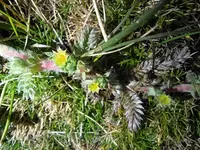
Botan plant care app — identify plants on mobile

Explore More Plants