Large-fruited Beet Care (Beta macrocarpa)

Large-fruited Beet

About Large-fruited Beet

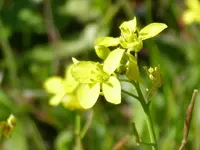
Large-fruited beet, Beta macrocarpa, is a wild beet species closely related to cultivated beets and chard. It is typically grown as an annual or short-lived perennial. The plant forms a rosette of thick, fleshy leaves and develops notably large, swollen roots or storage organs, which give the species its common name. Stems may elongate and branch as the plant flowers and sets seed. Beta macrocarpa is native to coastal areas of the Mediterranean and Macaronesian regions, where it tolerates wind, salt, and relatively poor soils. These traits make it fairly resilient but also prone to bolting in hot, dry conditions. It prefers full sun, well-drained soil, and moderate moisture, and gardeners often seek information on how to care for Large-fruited Beet before growing it in home beds or trials.

Main Plant Requirements

Care Difficulty

Moderate Care

Light Preference

Full Sun

Water Requirements

Moderate Water

Temperature Preference

Warm Climate

Hardiness Zone

9–11

Soil Texture

Sandy, Loamy, Organic-rich

Soil pH

Slightly acidic (6.5–7.0), Neutral (7.0)

Soil Drainage

Well-drained

Fertilization

Minimal (feed rarely)

Get Personalized Care Plan

Scan your plant to receive care tips personalized for your specific plant

Available on iOS and Android

How to Care for the Large-fruited Beet

This coastal beet species needs strong light to build healthy foliage and roots.

  • Provide full sun for 6–8 hours daily; in very hot inland areas, aim for full morning sun with light afternoon shade to prevent leaf scorch.
  • Plants tolerate light partial shade (3–4 hours direct sun) but root size and sugar content may decline compared with Large-fruited Beet grown in open, unobstructed sun.
  • Avoid shading from tall crops or structures; in autumn and winter, choose the sunniest, south-facing exposure to compensate for shorter days and lower light intensity.

This species prefers steadily moist but never waterlogged soil for reliable growth.

  • Water when the top 3–5 cm of soil feels dry, aiming for deep soaking that moistens the root zone rather than frequent shallow splashes.
  • Use well-drained, sandy or loamy soil so excess water moves away quickly; Beta macrocarpa is prone to root problems if water stands for more than a few hours after irrigation or rain.
  • In cool seasons, reduce watering as evaporation slows; wilting at midday that recovers by evening suggests mild drought, while yellowing, soft leaves and a sour soil smell indicate overwatering.

This beet relative prefers mild, frost-free conditions for best performance.

  • Aim for active growth in 60–75°F (16–24°C); plants generally maintain growth from about 50–80°F (10–27°C) if soil moisture and light are suitable.
  • Protect from frost, as tissue damage often appears when temperatures drop below 32°F (0°C); sustained exposure below 28°F (-2°C) can kill foliage and young plants.
  • In hot spells above 86°F (30°C), provide mulch to cool the root zone and ensure adequate soil moisture, since excessive heat can slow growth and increase bolting risk.

This coastal beet tolerates a wide humidity range and usually does not need special humidity control.

  • Target 40–60% humidity, which matches most household and outdoor conditions in temperate regions.
  • Dry indoor air is generally acceptable if soil moisture is consistent and roots are not allowed to dry out completely.
  • Watch for limp, dull foliage and slower growth during very dry, hot spells and use light mulching to buffer moisture loss.

Beta macrocarpa prefers loose, deep, well‑drained mineral soil that allows unobstructed taproot development.

  • Use a sandy or sandy‑loam mix with 20–30% coarse sand plus 20–30% compost to balance drainage and nutrient retention.
  • Aim for slightly alkaline to neutral pH around 7.0–8.0, avoiding strongly acidic mixes that reduce nutrient availability.
  • Improve aeration by incorporating coarse sand or fine grit rather than peat‑heavy materials that compact around the root.
  • Avoid waterlogged, heavy clay or newly manured beds, which increase rot risk and produce misshapen, fibrous roots.

This species can be grown in containers, but only when the pot allows enough depth for its strong taproot.

  • Choose a container at least 30–35 cm deep so the taproot can elongate without curling at the base.
  • Use a heavy, stable pot material such as terracotta or thick plastic to prevent tipping in windy, exposed positions.
  • Elevate the container slightly on feet or bricks to keep drainage holes clear and prevent prolonged saucer pooling.

Beta macrocarpa usually grows well in lean soils, but light feeding supports steadier growth in cultivation.

  • Use a balanced, slow-release fertilizer or well-aged compost incorporated into the topsoil at the start of the growing season.
  • Apply light feeding every 6–8 weeks during active growth, avoiding heavy nitrogen that encourages weak, lush foliage.
  • Dilute liquid feeds to 25–50% strength and apply to moist soil to limit root burn risk.
  • Stop feeding in late summer and avoid fertilization in winter dormancy to maintain firm, stress-tolerant growth.

Pruning Beta macrocarpa is mainly corrective, aimed at maintaining a healthy, stable framework.

  • Carry out structural pruning in late winter or very early spring before new growth starts.
  • Remove dead, diseased, crossing, or storm-damaged branches using sharp, clean bypass pruners or loppers.
  • Thin congested interior shoots to improve air movement and light penetration, encouraging stronger new growth.
  • Limit canopy reduction to small, staged cuts to avoid excessive stress and preserve the tree’s natural form.

This species is usually grown in the ground, so management focuses on careful transplanting rather than routine repotting.

  • Plan transplanting for late winter or early spring when the plant is still dormant and stress is lower.
  • Look for signs such as slowed shoot extension, sparse foliage, or roots circling a container before moving a Large-fruited Beet.
  • Lift with as large a root ball as practical, disturbing roots minimally and keeping them shaded and moist throughout the process.
  • Replant in a well-drained site at the same depth, water thoroughly, then maintain even moisture until new growth confirms establishment.

Sexual propagation of Beta macrocarpa is most commonly done from seed under controlled conditions.

  • Collect mature seed at the end of the growing season and dry it briefly in a cool, airy place.
  • Provide a cold stratification period of about 8–12 weeks at 35–41°F to break dormancy and improve germination.
  • Sow in a free-draining, sandy medium, covering seeds lightly and keeping moisture even but not waterlogged.
  • Maintain bright, indirect light and moderate warmth after stratification, then prick out seedlings gently once true leaves form.

Mature plants are fairly tolerant of mild coastal winters but young Beta macrocarpa benefit from targeted protection.

  • In regions with frost, apply a 5–8 cm mulch layer over the root zone, keeping material away from the trunk base.
  • For young trees, wrap the lower stem with breathable frost cloth on forecast freezing nights.
  • Container-grown specimens in colder areas should be moved to a sheltered, frost-free position with good light.

Care Tips

Windbreak planting

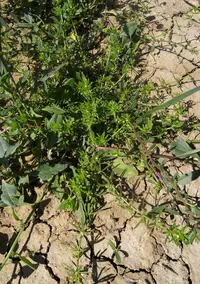
In open coastal or exposed fields, establish a low windbreak or plant on the leeward side of existing shrubs or fencing to reduce salt-laden wind scorch on leaves and flower stalks.

Salinity monitoring

Periodically test soil electrical conductivity (EC) in coastal sites and, if salinity climbs too high, apply a deep freshwater irrigation to leach salts below the main root zone without leaving the soil waterlogged.

Targeted flower staking

Install low, discreet stakes and soft ties around tall flowering stems before strong winds or storms to prevent lodging and stem breakage while still allowing natural movement.

Seedling hardening-off

For nursery-raised plants, gradually expose young seedlings to full sun, wind, and salt spray over 7–10 days to toughen tissues and reduce transplant shock when moving them to their final position.

Conservation-minded seed saving

Collect seed only from robust, disease-free plants at the end of the season, dry it thoroughly in a shaded, airy place, and store it cool and dry to maintain genetic diversity and vigor for future growing Large-fruited Beet projects.

Common Pests and Diseases

Beet cyst nematode

This pest attacks the roots and causes stunting, yellowing, and poor plant vigor, especially on light, sandy soils. Symptoms include uneven growth in beds and reduced root biomass rather than obvious foliar damage at first.

Solution

Rotate out of beet and other susceptible chenopod crops for at least 3–4 years, using resistant or non-host crops such as grasses or corn. Improve soil organic matter, remove and destroy heavily infested plants, and in small gardens solarize moist soil in the hottest part of the year to reduce nematode levels before planting.

Beet curly top virus

This disease causes thickened, curled, and puckered leaves, with plants becoming stunted and sometimes showing reddish or purple discoloration. Infection is typically scattered in a field or bed because it is transmitted by leafhoppers rather than spreading from plant to plant through contact.

Solution

Remove and destroy symptomatic plants promptly to limit local virus sources, and reduce nearby weedy hosts that shelter leafhoppers. Use fine insect netting over young plants in high-risk areas and avoid planting near dry, weedy margins where leafhopper populations are high.

Downy mildew

This disease produces yellow, angular spots on upper leaf surfaces and a gray to purple downy growth on the undersides, often in cool, humid conditions. Symptoms include premature leaf aging and reduced plant vigor, which lowers both leaf quality and root yield.

Solution

Increase spacing and airflow, water at soil level rather than overhead, and avoid prolonged leaf wetness. Remove and destroy badly affected leaves, rotate crops annually, and apply a copper-based fungicide or a labeled biofungicide preventively when conditions favor disease development.

Leaf miners

These insects create winding, pale tunnels inside the leaves, which can merge into large blotches and reduce photosynthesis. Damage is mostly cosmetic at first but can significantly weaken young plants if many leaves are affected.

Solution

Pinch off and discard mined leaves early to remove larvae before they mature, and place floating row covers over young plants to exclude adult flies. In home gardens, use yellow sticky traps to monitor adult activity and apply neem oil or spinosad products targeted to the undersides of leaves if damage is increasing.

Fusarium yellows

This disease causes gradual yellowing starting on older leaves, often with one-sided or sectoral discoloration, followed by wilting and plant decline. Symptoms include brown discoloration of the vascular tissue in the root when cut lengthwise.

Solution

Practice long rotations of 4–5 years out of beets and related crops, and avoid planting in fields with a history of fusarium problems or with poor drainage. Remove and destroy diseased plants, sanitize tools between beds, and focus on healthy, vigorous plants by avoiding excessive nitrogen and maintaining balanced soil fertility in line with Beta macrocarpa care instructions.

Interesting Facts

Wild relative of beet

Beta macrocarpa is a wild beet species closely related to cultivated beetroot and sugar beet, and is often studied to understand disease resistance and stress tolerance in the genus Beta.

Coastal salt tolerance

This species naturally occurs in coastal habitats of the Mediterranean and nearby Atlantic coasts, where it shows notable tolerance to saline soils and sea spray compared with many other crop relatives.

Genetic resource for breeders

Plant breeders and geneticists use Beta macrocarpa as a source of genes for resistance to pests and diseases, such as certain viruses affecting sugar beet, making it important for Beta macrocarpa plant care and crop improvement research.

Botan icon

Did you know?

Chromosome and genome studies have shown that Beta macrocarpa carries distinct genetic features within the beet complex, helping researchers reconstruct the evolutionary history and domestication pathways of cultivated beets.

FAQs about Large-fruited Beet

Growth is relatively quick for a beet relative, especially in warm, coastal climates with long growing seasons. With adequate moisture and nutrients, plants can reach near-mature size within a single season, then allocate more energy to root and seed production.

Grow Healthy Plants with Botan Care

Keep your plants happy and healthy with plant identification, disease detection, and easy care guidance.

Botan plant care app — identify plants on mobile

Explore More Plants