Siberian Pine Care (Pinus sibirica)

Also known as: Siberian Stone Pine
Siberian Pine

About Siberian Pine

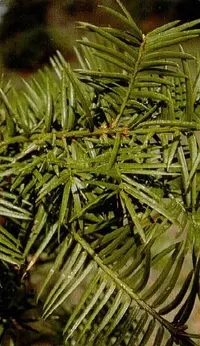
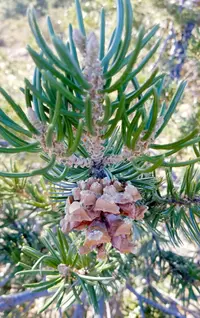
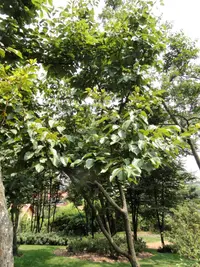
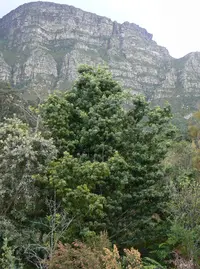
Siberian pine, Pinus sibirica, is a long-lived coniferous tree valued for its dense canopy and large edible seeds often called pine nuts. It forms a straight trunk with whorled branches and soft, bluish-green needles held in bundles, giving a full, rounded crown when young that becomes more irregular with age.

This species is native to cold regions of Siberia and northern Asia, where it grows in taiga forests and mountain slopes. It is generally slow-growing and hardy, but needs space, cool climates, and well-drained, slightly acidic soil. For gardeners planning how to care for Siberian Pine, climate suitability and mature size are the main practical considerations.

Main Plant Requirements

Care Difficulty

Moderate Care

Light Preference

Full Sun

Water Requirements

Moderate Water

Temperature Preference

Cold Hardy

Hardiness Zone

1–6

Soil Texture

Sandy, Loamy, Rocky

Soil pH

Strongly acidic (4.5–5.5), Acidic (5.5–6.5)

Soil Drainage

Well-drained

Fertilization

Minimal (feed rarely)

Get Personalized Care Plan

Scan your plant to receive care tips personalized for your specific plant

Available on iOS and Android

How to Care for the Siberian Pine

This cold-climate conifer prefers bright, open sites with long hours of sun in cool conditions.

  • Provide 6–8 hours of direct sun daily in most temperate climates; in hotter regions, aim for morning sun with light afternoon shade.
  • Young Siberian Pine trees tolerate light partial shade, but dense shade leads to thin growth, sparse needles, and reduced cone production.
  • In late winter and early spring, strong sun on frozen soil can cause needle scorch; use temporary shade screens or plant where it gets some protection from harsh afternoon sun.

This slow-growing conifer prefers evenly moist but never soggy soil, especially while establishing.

  • During the first 2–3 years, water deeply when the top 5–8 cm of soil feels dry, then soak the root zone rather than giving light surface sprinkling.
  • Mature Pinus sibirica handles short dry spells once well rooted, but prolonged drought causes needle yellowing and tip dieback; apply 5–8 cm of mulch to conserve moisture.
  • Avoid standing water and heavy clay; persistent wet soil, sour smell, or blackening roots indicate overwatering, while brittle needles and very dry soil signal underwatering.

This boreal pine is highly cold-hardy and performs best in cool to cold climates with distinct winters.

  • Optimal growing-season temperatures are about 55–75°F (13–24°C), with steady growth in cool summers and good air movement.
  • Trees tolerate severe winter cold down to about -40°F (-40°C) or lower once established, with no need for frost protection in most northern climates.
  • Heat tolerance is modest; extended periods above 86°F (30°C) can stress the tree, so prioritize deep soil, mulch, and protection from reflected heat in hot summers.

This species handles low to moderate air humidity and rarely needs special humidity management outdoors.

Pinus sibirica prefers deep, loose, well‑drained mineral soil that stays evenly moist without waterlogging.

  • Use a loamy or sandy-loam structure with plenty of coarse mineral particles to prevent compaction around the roots.
  • Aim for slightly acidic to neutral pH, around 5.5–7.0, avoiding strongly alkaline or saline conditions.
  • In planting areas, mix native soil with sharp sand and a small amount of composted bark to improve drainage and aeration.
  • Avoid heavy clay, standing water, or sites where meltwater or irrigation collects for long periods.

This conifer is only moderately suitable for long-term container growing and is best kept in large, stable outdoor pots when container-grown at all.

  • Choose a tall, heavy container that resists tipping as the trunk and canopy gain height and act as a sail in wind.
  • Use a deep pot that allows a strong taproot and framework roots to develop without circling tightly near the walls.
  • Select thick-walled or insulated containers in cold climates to reduce extreme freeze–thaw swings around the root zone.

This cold-climate conifer grows acceptably in poor soils, but moderate feeding improves establishment and long-term vigor in Siberian Pine.

  • Apply a balanced slow-release conifer fertilizer (around 10-10-10) once each spring at label-recommended rates, spread over the root zone.
  • On young trees, lightly work in compost into the top 5–8 cm of soil in spring to improve structure and microbial activity.
  • Avoid additional feeding after midsummer so new growth hardens before winter; do not fertilize during winter dormancy.
  • On container-grown plants, use a half-strength balanced liquid feed every 4–6 weeks from early spring to mid-summer only.

Pruning requirements for Pinus sibirica are minimal and focus on safety, structure, and clearance rather than shaping.

  • Best time for structural work is late winter to very early spring, before active growth begins.
  • Remove dead, diseased, or storm-damaged branches with clean bypass pruners or a sharp pruning saw.
  • Thin crowded or crossing branches only where necessary to maintain a single strong leader and stable framework.
  • Avoid heavy cutting into old bare wood; shorten only current-year candles if slight size control or denser growth is needed.

This species is rarely kept long term in containers, so care focuses on moving young trees from pots to permanent outdoor sites with minimal root disturbance.

  • Transplant in early spring or early fall when soil is cool and moist, avoiding hot, dry periods to limit stress.
  • Look for signs like roots circling the pot, slow growth, or frequent wilting as indicators the seedling has outgrown its container.
  • Shift container plants only every 2–3 years, stepping up 1 pot size and keeping the root ball intact to protect fine roots.
  • Pre-water the root ball, plant at the same depth in a wide hole, backfill with native soil, then water deeply and mulch 5–8 cm, keeping mulch off the trunk.

Propagation of Pinus sibirica for home growers is mainly done from seed and requires patience and cool conditions.

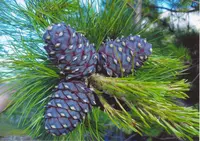
  • Collect ripe cones in late summer to early fall, dry until scales open, then extract seeds and remove wing tissue.
  • Provide cold stratification by mixing seeds with moist sand and refrigerating at 34–41°F for 60–120 days to break dormancy.
  • Sow in deep trays with well-drained sandy substrate, covering seeds lightly and keeping the medium just moist in bright, cool light.
  • Protect young seedlings from extreme heat, strong sun, and drying winds during the first 1–2 years to ensure sturdy root and shoot development.

This is a highly cold-hardy conifer that usually needs little winter care once established in the landscape.

  • Young trees benefit from a 5–8 cm mulch layer over the root zone in late fall, keeping mulch a few cm away from the trunk.
  • In very windy or exposed sites, use a breathable windbreak to reduce needle desiccation on first- and second-year plants.
  • Container-grown specimens should be moved to a cold, sheltered area or plunged pots into the ground so roots do not freeze solid.

Care Tips

Shelterbelt Positioning

Plant young trees with some windbreak from larger trees or structures on the prevailing-wind side to reduce winter desiccation and branch breakage while they establish.

Snow Load Management

In regions with heavy, wet snowfall, gently broom off accumulated snow from branches after storms to prevent bending and snapping of young or lower limbs.

Mycorrhiza Support

Leave a ring of undisturbed, lightly mulched soil under the drip line to encourage mycorrhizal fungi, which improves nutrient uptake and long-term vigor when growing Siberian Pine.

Cone And Seed Protection

If seed harvest is a goal, use fine wire mesh or hardware cloth around maturing cones to reduce damage from squirrels and birds while still allowing air flow.

Form-Setting Pruning

While the tree is young, remove only clearly crossing, damaged, or very low branches in late winter to set a strong central leader and stable structure without stressing the plant.

Common Pests and Diseases

Siberian pine sawfly

This pest is a defoliating caterpillar-like larva that feeds on needles, often in large groups, leading to thin or bare branches. Symptoms include chewed or missing needles, frass (droppings), and clusters of greenish larvae on shoots.

Solution

Hand-pick and destroy larvae where practical and prune out heavily infested small branches. For larger trees, use a targeted biological insecticide based on Bacillus thuringiensis (Bt) in early larval stages and encourage natural predators by avoiding broad-spectrum insecticides.

Pine shoot moth

This pest damages young shoots by boring into them, causing bent, stunted, or dead tips and reduced annual growth. Symptoms include resin exudation, brown, wilted shoot tips, and small entry holes with webbing.

Solution

Prune and destroy infested shoots during late winter or very early spring before larvae become active, removing all visible damaged tips. In larger plantings, pheromone traps may help monitor populations, and targeted treatments timed to adult flight can reduce new infestations.

White pine blister rust

This disease is a fungal infection that affects 5‑needle pines, forming cankers on stems and branches that can girdle and kill them over time. Symptoms include swollen, discolored bark, resin flow, and later white blisters that release orange spores.

Solution

Prune and remove infected branches at least 10–15 cm below visible cankers during dry weather and destroy removed material. Avoid planting or encourage removal of nearby Ribes species (currants and gooseberries), which act as alternate hosts, and maintain tree vigor with proper spacing and reduced mechanical injury.

Scleroderris canker

This disease is a fungal canker that causes dieback of shoots and branches, especially in young Siberian pines in cold or stressed conditions. Symptoms include reddish-brown needles, dead shoot tips, sunken cankers on branches, and progressive crown thinning.

Solution

Prune out and destroy infected shoots and branches during dry conditions, cutting back into healthy wood, and disinfect tools between cuts. Improve stand conditions by thinning overcrowded trees, reducing shade and moisture retention around crowns, and avoid planting in low, poorly drained frost pockets to reduce stress that favors infection.

Needle cast

This disease is caused by several fungi that infect needles, leading to premature yellowing and shedding from the inside of the crown outward. Symptoms include dull, yellow to brown needles with dark fruiting bodies in rows and a thin, transparent outer crown while new needles at the tips remain greener for a time.

Solution

Rake up and remove fallen needles to reduce fungal spore sources and avoid overhead irrigation that wets foliage for long periods. Improve air circulation by correct spacing and, in high-value plantings, apply a registered conifer fungicide in early spring to protect new needle growth, following local Pinus sibirica care instructions for timing and product choice.

Interesting Facts

Edible high‑fat seeds

The seeds, commonly called cedar nuts in Russia, are unusually large, soft-shelled pine nuts with high oil content and are an important traditional food for people and wildlife across Siberia.

Cold-adapted evergreen

This species is naturally distributed in the cold boreal forests of Siberia and is adapted to long, harsh winters, remaining evergreen and photosynthetically active whenever temperatures briefly rise above freezing.

Mutualism with nutcrackers

Its heavy, wingless seeds are dispersed mainly by the Eurasian nutcracker, a bird that caches the nuts in the soil; forgotten caches often germinate, making the bird essential for the tree’s natural regeneration.

Botan icon

Did you know?

Old-growth individuals of Pinus sibirica in remote Siberian forests can reach ages of several centuries, forming long-lived stands that store large amounts of carbon and serve as stable habitat structures in boreal ecosystems.

FAQs about Siberian Pine

Yes, this species is commonly propagated from seed. Cones must fully ripen, and seeds benefit from cold stratification, meaning 60–120 days in moist, cool conditions around 32–39°F, before sowing in a free‑draining medium.

Grow Healthy Plants with Botan Care

Keep your plants happy and healthy with plant identification, disease detection, and easy care guidance.

Botan plant care app — identify plants on mobile

Explore More Plants