narrowleaf yucca Care (Yucca angustissima)

narrowleaf yucca

About narrowleaf yucca

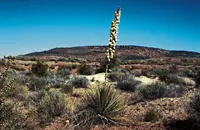
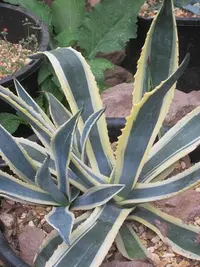
Narrowleaf yucca (Yucca angustissima) is a compact, evergreen shrub from the arid regions of the southwestern United States. It forms dense clumps of very slender, rigid leaves. Mature plants develop short trunks and may produce tall flower stalks with clusters of creamy white blooms, adding strong architectural structure to dry gardens. This species is adapted to intense sun, rocky or sandy soils, and long dry periods. Its slow growth and high drought tolerance make it suitable for low-maintenance landscapes and containers in bright, dry locations. Understanding how to care for narrowleaf yucca mainly involves providing excellent drainage and avoiding consistently wet conditions.

Main Plant Requirements

Care Difficulty

Easy Care

Light Preference

Full Sun

Water Requirements

Low Water

Temperature Preference

Cold Hardy

Hardiness Zone

4–9

Soil Texture

Sandy, Loamy, Rocky

Soil pH

Slightly acidic (6.5–7.0), Slightly alkaline (7.0–7.5)

Soil Drainage

Well-drained

Fertilization

Minimal (feed rarely)

Get Personalized Care Plan

Scan your plant to receive care tips personalized for your specific plant

Available on iOS and Android

How to Care for the narrowleaf yucca

This desert species thrives in bright, open sites with long hours of direct sun.

  • Provide 6–10 hours of direct sun daily; full sun is ideal in most climates for strong, compact growth.
  • Plant narrowleaf yucca where it gets unobstructed morning to midafternoon sun; light afternoon shade is helpful in very hot, low-humidity regions.
  • In areas with cloudy winters, choose the sunniest possible spot; in deep shade, leaves stretch, lose vigor, and flowering is reduced.

This species is highly drought-tolerant and prefers infrequent, deep watering.

  • Outdoors in draining soil, water only when the top 5–8 cm is completely dry; in many arid climates this means every few weeks once established.
  • Reduce watering in cool seasons, especially below 55°F (13°C); overwatering shows as yellowing, mushy leaves and stem softening.
  • Ensure fast drainage with sandy or gravelly soil; signs of underwatering are wrinkling or folding leaves that recover after a thorough soak.

This plant is adapted to hot summers and cold winters but needs protection from extreme lows in some regions.

  • Optimal growing temperatures are around 65–90°F (18–32°C), typical of warm spring through early fall in many dry regions.
  • Yucca angustissima tolerates short drops to about 0°F (−18°C) when well established and in very free-draining soil, but young plants are less hardy.
  • In prolonged heat above 100°F (38°C), growth may slow; provide extra soil mulch to protect roots from temperature swings and moisture loss.

This species tolerates typical indoor humidity and rarely needs adjustment.

This desert species needs extremely fast-draining, mineral-rich soil to prevent root rot.

  • Use a gritty, sandy mix, such as 50–70% coarse sand or grit combined with cactus potting mix.
  • Aim for slightly alkaline to neutral pH around 7.0–8.0, avoiding strongly acidic substrates.
  • Increase drainage and aeration with pumice or perlite rather than high peat or compost content.
  • Avoid compacted, clay-heavy, or water-retentive soils, which quickly damage Yucca angustissima roots.

This species adapts well to container growing when given a stable, very free-draining setup.

  • Choose a deep, heavy container that resists tipping as the plant forms a tall, narrow rosette and stiff leaves.
  • Use a pot material like unglazed clay to let excess moisture evaporate faster in cool or humid climates.
  • Raise the container slightly off solid surfaces so drainage holes never sit in collected runoff water.

This drought-adapted species needs only light feeding in most home landscapes.

  • Use a slow-release balanced fertilizer (around 10-10-10) or a thin top-dressing of compost in spring if growth seems weak.
  • Feed at most 1–2 times during the growing season for narrowleaf yucca, never monthly.
  • Dilute liquid products to 1/2–1/4 strength to avoid root burn in dry soils.
  • Skip fertilizing in fall and winter when growth is naturally slow or dormant.

Pruning Yucca angustissima focuses on hygiene and maintaining a tidy, safe shape.

  • Best time is late winter to early spring, before strong new growth starts.
  • Use clean, sharp bypass pruners or a pruning saw to remove dead, damaged, or diseased leaves and flower stalks.
  • Cut back crowded or leaning clumps at the base to keep a compact form and improve air flow.
  • Trim only a few healthy leaves at a time to avoid stressing the plant and to preserve photosynthesis.

This species is usually grown in-ground, with transplanting done only when location or crowding becomes a problem.

  • Transplant in late spring or early summer when soil is warm and plants recover faster.
  • Look for signs such as clumps invading paths, shading neighbors, or container roots circling and emerging from drainage holes.
  • Transplant or shift containers every 4–5 years, moving to a slightly larger pot or new site with very well-drained soil.
  • Lift the root ball with as much soil as possible, replant at the same depth, water thoroughly once, then allow soil to dry between later waterings to limit root stress.

Yucca angustissima is commonly propagated by division, offsets, and sometimes stem cuttings or seed.

  • Divide clumps or remove offsets in late spring to early summer when active root growth supports recovery.
  • Lift the plant or expose the base, separate rooted offsets with a clean knife, and replant in gritty, sharply drained soil.
  • For stem cuttings, allow cut surfaces to callus for several days, then plant in a coarse mix kept barely moist and bright.
  • Seeds require warmth, light, and very well-drained soil; germination is slower and suits patient growers building numbers.

This yucca is quite cold hardy and usually needs little winter care in temperate climates.

  • Established plants tolerate significant frost when soil drains freely and crowns stay dry.
  • Apply a 5–8 cm layer of gravel or coarse mulch around the base in fall to moderate freeze–thaw cycles.
  • In very cold or wet regions, loosely wrap the crown with breathable fabric to limit ice buildup.
  • Move container plants to an unheated, bright, frost-free spot and water sparingly so roots stay just barely dry.

Care Tips

Root-zone gravel

Create a 5–8 cm deep gravel or coarse rock mulch around the base to keep the crown dry, reduce weed pressure, and prevent soil from splashing into the tight leaf rosettes after rain or irrigation.

Crown rot prevention

Plant on a slight mound or slope and avoid piling soil or mulch against the crown so excess water can drain away from the growing point, which greatly reduces the risk of rot in wet seasons.

Snow and ice management

In cold, snowy climates, gently brush off heavy snow and avoid dumping shoveled snow onto the plant so the narrow leaves are not bent, broken, or smothered for long periods.

Pup selection and spacing

Allow offsets (pups) to develop for 1–2 years, then remove and replant only the strongest ones at least 45–60 cm apart to build a stable, attractive clump rather than a crowded, weak cluster.

Safe mechanical weed control

Use a long-handled hoe or hand weeder and work from the side, not above the plant, to remove weeds while avoiding puncture injuries from the stiff leaf tips when caring for narrowleaf yucca.

Common Pests and Diseases

yucca moth larvae

This pest is the caterpillar stage of the yucca moth that burrows into developing seed pods and feeds on seeds. Symptoms include small entry holes and frass in or around the pods and reduced viable seed production.

Solution

Prune and discard affected flower stalks and seed pods before larvae complete development, and bag and trash pruned material instead of composting. In garden settings focused on ornamental value rather than seed harvest, remove most spent inflorescences after flowering to limit larval habitat while still leaving some flowers for pollination if seed is desired.

scale insects

These insects attach along leaves and stems, sucking plant sap and causing yellow spotting, reduced vigor, and sticky honeydew that can attract sooty mold. Infestations often appear as small, hard, tan or brown bumps that do not brush off easily.

Solution

Physically remove localized colonies with a cotton swab dipped in isopropyl alcohol or by gently scraping with a fingernail or soft brush, then rinse foliage with a firm stream of water. For persistent problems on outdoor plants, use a labeled horticultural oil spray in mild weather, ensuring thorough coverage of leaf bases and undersides where scale shelter.

yucca weevil

This pest is a snout beetle whose larvae tunnel inside the stem or crown, leading to wilting, yellowing, and sometimes collapse of the rosette. Symptoms include soft or hollow stems and dark, rotting tissue at the crown with visible grubs or galleries when cut open.

Solution

Remove and destroy heavily infested crowns and any rotting stem tissue to prevent further spread. For remaining plants, improve drainage, avoid crown injury, and inspect regularly, discarding any new plants that show internal tunneling before planting as part of safe Yucca angustissima care instructions.

leaf spot

This disease causes small, tan to dark brown necrotic spots that can merge into larger patches, often starting on older leaves. Symptoms include lesions sometimes surrounded by a yellow halo and premature leaf shedding in humid or crowded conditions.

Solution

Cut off and discard affected leaves, sterilizing pruners between cuts, and increase spacing and airflow around plants to help leaf surfaces dry quickly. Avoid overhead watering, especially late in the day, and if the problem recurs outdoors, apply a labeled copper or other fungicidal spray according to directions during warm, humid periods.

sooty mold

This disease appears as black, soot-like growth on leaf surfaces that develops on the honeydew excreted by sap-sucking insects such as scale or aphids. Symptoms include dull, blackened leaves that may have reduced photosynthesis but relatively normal tissue underneath the fungal coating.

Solution

First control the underlying honeydew-producing insects, then gently wash leaves with lukewarm water and a mild, diluted soap solution to remove the mold film. Improve airflow and light exposure to help foliage dry quickly, and repeat gentle washing as needed until the leaf surfaces are clean.

Interesting Facts

Extreme leaf narrowness

This species has some of the narrowest leaves in the genus, often only a few millimeters wide, which helps reduce water loss and heat load in its hot, arid native habitats of the southwestern United States.

Clumping growth habit

Instead of forming a tall trunk, this plant usually stays stemless or very short and spreads slowly into dense clumps of many rosettes, providing long‑term ground‑level structure in dry landscapes.

Specialist desert pollination

In its native range, this species participates in the classic yucca–yucca moth mutualism, where yucca moths both pollinate the flowers and lay their eggs in them, creating a tightly coevolved relationship.

Botan icon

Did you know?

Populations of this species show notable variation in leaf length, stiffness, and margin fiber development across its range, and this geographic variation has led botanists to describe several infraspecific taxa and discuss local adaptation to different desert microhabitats.

FAQs about narrowleaf yucca

Brown leaf tips usually come from underwatering, very low humidity, or salt buildup from fertilizer. Entire brown leaves often indicate root rot from soggy soil. Remove damaged foliage and adjust watering so the root zone dries between waterings.

Grow Healthy Plants with Botan Care

Keep your plants happy and healthy with plant identification, disease detection, and easy care guidance.

Botan plant care app — identify plants on mobile

Explore More Plants