


Caudex height control
Repot slightly higher every 2–3 years, gently removing a bit of soil from around the base so the caudex sits partially exposed, which encourages a more sculptural form and good air flow around the neck of the plant.

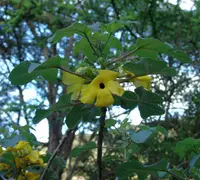
Uncarina peltata is a caudiciform shrub from dry regions of Madagascar, valued for its swollen trunk base that stores water and supports survival in drought. It forms branching green stems with soft, lobed leaves and bright yellow, funnel-shaped flowers that resemble small petunias.
The plant grows slowly and stays relatively compact in containers, which makes it suitable for collectors and experienced beginners who like unusual succulents. It prefers strong light, very free-draining soil, and careful watering, so how to care for Uncarina peltata is mainly about avoiding excess moisture and cold.
In suitable conditions it is long-lived and can develop an impressive sculptural form over time, but it does not tolerate frost or prolonged wetness.

Care Difficulty
Moderate Care

Light Preference
Full Sun

Water Requirements
Low Water

Temperature Preference
Tropical / Frost Sensitive

Hardiness Zone
10–11

Soil Texture
Sandy, Loamy, Rocky

Soil pH
Acidic (5.5–6.5), Slightly acidic (6.5–7.0)

Soil Drainage
Well-drained

Fertilization
Minimal (feed rarely)
Scan your plant to receive care tips personalized for your specific plant
Available on iOS and Android
This caudiciform shrub prefers bright, warm conditions with strong but not scorching sun.
This succulent shrub stores water in its caudex, so the soil must dry between waterings.
This species thrives in warm, frost-free conditions and reacts poorly to cold, wet weather.
This species tolerates typical indoor humidity but benefits from slightly drier air than most tropical houseplants.
Uncarina peltata prefers a very fast-draining, mineral-rich mix that mimics arid, rocky habitats.
This species is well suited to container growing due to its compact, caudiciform growth.
This drought-adapted succulent shrub needs modest feeding to support container growth and flowering.
This plant responds well to light structural pruning that maintains a compact, branching canopy.
This caudiciform shrub prefers a stable container but benefits from occasional repotting into fresh, fast-draining mix.
New plants are most often raised from cuttings or seeds under warm, bright, controlled conditions.
This species is sensitive to frost and needs dry, cool but not freezing conditions in winter, especially in containers.

Plant Health Check
Not sure what's wrong with your plant? Check your plant's health inside the app.
The bright yellow flowers have stiff, hooked hairs on their outer surface that can trap small animals or birds by their feathers or fur, a mechanical defense that discourages damage to the blooms and developing fruits.
This species is endemic to dry deciduous forests of southwestern Madagascar, where it experiences a strongly seasonal climate with a pronounced dry season and sheds many of its leaves to conserve water.
The swollen, bottle-like base (caudex) is a specialized stem structure that stores water and nutrients, allowing the plant to survive long dry periods in its native habitat and making it popular among collectors growing Uncarina peltata.

The fruits of this species are covered in strong, barbed spines that cling tenaciously to animal fur, an adaptation for seed dispersal that can make the fruits very difficult and even painful to remove once attached.
This species usually blooms in warm months, producing bright yellow, tubular flowers with a dark throat. Blooms appear in flushes on new growth and are often more abundant after a short dry rest period.
Keep your plants happy and healthy with plant identification, disease detection, and easy care guidance.

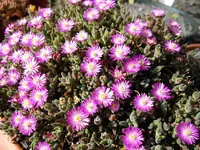
hairy dewflower
Drosanthemum hispidum
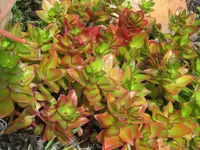
Crassula sarmentosa
Crassula sarmentosa
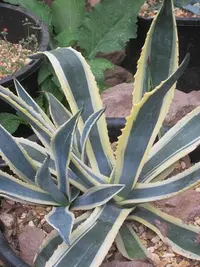
Variegated Century Plant
Agave americana 'Marginata'
sawblade
Dyckia brevifolia
Bamboo Palm
Chamaedorea seifrizii
Digby's Beaked Laelia
Rhyncholaelia digbyana
Spanish lime
Melicoccus bijugatus
 POPULAR
Moon Cactus
Gymnocalycium mihanovichii