Billardiera versicolor Care

Billardiera versicolor

About Billardiera versicolor

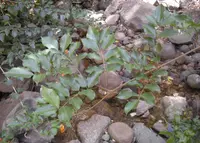
Billardiera versicolor is an evergreen climber native to southern Australia, often grown as an ornamental vine or scrambling shrub. It is part of the Pittosporaceae family. The plant produces narrow, glossy green leaves and attractive tubular flowers that change color as they age, followed by decorative berries. It usually needs some support, such as a trellis or fence, to show its natural twining habit. In mild climates it can be grown outdoors; in colder regions it is better suited to sheltered spots or containers. Gardeners who want to care for Billardiera versicolor should note its preference for bright light, moderate moisture, and well-drained soil.

Main Plant Requirements

Care Difficulty

Moderate Care

Light Preference

Partial Shade

Water Requirements

Moderate Water

Temperature Preference

Warm Climate

Hardiness Zone

9–11

Soil Texture

Sandy, Loamy, Organic-rich

Soil pH

Acidic (5.5–6.5), Slightly acidic (6.5–7.0)

Soil Drainage

Moist but well-drained

Fertilization

Minimal (feed rarely)

Get Personalized Care Plan

Scan your plant to receive care tips personalized for your specific plant

Available on iOS and Android

How to Care for the Billardiera versicolor

This climbing shrub grows best with bright, gentle light that avoids harsh summer extremes.

  • Provide 4–6 hours of morning sun with light afternoon shade; dappled or filtered light suits Billardiera versicolor in hotter regions.
  • In cool, coastal areas it tolerates more direct sun, but in inland or hot climates protect it from strong sun between 11 am and 3 pm to prevent leaf scorch.
  • If stems become pale and lanky, light is too low; move to a brighter position or thin nearby plants to increase light penetration.

This species prefers evenly moist, well‑drained soil that never stays saturated for long periods.

  • Before watering, let the top 3–5 cm of soil dry; use a finger test rather than a fixed schedule, as wind and temperature strongly affect moisture loss.
  • In spring and summer, water deeply so moisture reaches the full root zone, then allow partial drying; reduce frequency in cool, wet autumn and winter conditions.
  • Yellowing, soft leaves and a sour smell signal overwatering or poor drainage, while dull, wilting foliage and dry, crisp tips indicate the plant is staying too dry.

This plant grows best in mild, frost‑limited climates with moderate seasonal variation.

  • Ideal growth occurs around 60–75°F (16–24°C), with steady temperatures encouraging strong flowering and shoot development.
  • It tolerates brief dips to about 25°F (−4°C) once established, but young plants benefit from protection such as mulch and shelter during hard frosts.
  • Heat tolerance is good up to about 90°F (32°C) if soil moisture is stable and roots are mulched; prolonged hot, dry winds can scorch foliage and reduce flowering.

This species handles typical household humidity but benefits from slightly moist air in heated homes.

  • Aim for 40–60% humidity to limit leaf edge browning and flower bud drop.
  • It tolerates brief dry indoor air, but prolonged levels below 30% can cause curled, dull foliage.
  • Increase humidity with a nearby pebble tray or grouping plants, rather than misting which adds only short-lived moisture.

Use freely draining, moderately fertile soil that stays lightly moist but never waterlogged.

  • Choose a loose, loamy mix with some sand or fine bark to prevent compaction around the roots.
  • Ensure sharp drainage; combine roughly 50% peat-free compost with 30% coarse sand and 20% fine bark or perlite.
  • Keep pH slightly acidic to neutral, around 6.0–7.0, which supports nutrient uptake and steady growth.
  • Avoid heavy clay, poorly drained sites, or mixes that stay wet for more than 1–2 days after watering, as Billardiera versicolor is prone to root stress.

This species adapts well to container growing when the pot is chosen to support its climbing, scrambling habit.

  • Select a deep, relatively narrow container to guide roots downward and provide an anchor for a trellis or support frame.
  • Use a heavier material such as ceramic if the plant is trained upward, reducing the risk of the pot tipping in wind.
  • Raise the pot on feet or blocks so drainage holes release water quickly and the lower root zone does not sit in a saucer of runoff.

This plant grows well in modest soils, so Billardiera versicolor benefits from light, targeted feeding rather than heavy fertilization.

  • Use a balanced, slow-release fertilizer (for example 8-8-8 or 10-10-10) in spring as new growth begins.
  • In average garden soil, 1 light application in spring is usually sufficient for the season.
  • If grown in containers, feed every 6–8 weeks in the growing season at half the label strength.
  • Avoid feeding in late fall and winter to prevent soft, frost-tender growth.

Pruning helps manage the climbing habit and keeps Billardiera versicolor flowering well and within bounds.

  • Carry out main pruning in late winter or very early spring before strong new growth starts.
  • Remove dead, damaged, or crossing stems first, then thin congested growth to improve light and air penetration.
  • Shorten excessively long shoots to maintain the desired shape and encourage flowering on new lateral growth.
  • Use clean, sharp secateurs and make cuts just above a bud or side shoot.

Usually grown in the ground, this species responds best to careful transplanting rather than frequent repotting.

  • Transplant in late winter to early spring, when soil is workable and before vigorous growth resumes.
  • Look for signs such as roots circling a container, slow growth, or rapid drying of the potting mix before moving a potted plant.
  • Shift up only 1 pot size, using a free-draining mix, and keep the original root ball as intact as possible to limit shock.
  • Water thoroughly after planting, shade from harsh sun for 3–5 days, and maintain even moisture while new roots establish.

New plants are most often produced from semi-ripe cuttings or seed, both suited to patient home growers.

  • Take semi-ripe stem cuttings in late summer, 8–10 cm long, and remove lower leaves.
  • Dip bases in rooting hormone and place in a moist, free-draining medium at 65–75°F with high humidity and bright, indirect light.
  • Sow fresh seed in autumn or early spring in a well-drained seed mix and keep just lightly moist.
  • Germination may be slow and uneven, so label trays clearly and avoid disturbing them for several months.

Established plants show moderate cold tolerance but benefit from simple winter precautions in cooler climates.

  • Hardy to light frosts, but prolonged freezes below about 20°F may damage stems and flower buds.
  • Apply a 5–8 cm mulch over the root zone in late fall, keeping it slightly away from the stems.
  • In very cold or exposed sites, provide a windbreak or wrap young vines with breathable horticultural fleece.
  • Move container-grown plants into a sheltered, frost-free area such as an unheated greenhouse or bright garage.

Care Tips

Provide climbing support

Install a fine trellis, wire mesh, or tensioned strings early so stems can twine naturally, keeping flowers visible and preventing tangling or breakage as the vine matures.

Light pruning timing

Do any shaping or stem thinning immediately after the main flowering flush, so next season’s flower buds on new growth are not accidentally removed.

Mulch for root comfort

Apply a 3–5 cm layer of composted bark or leaf mold around the base, keeping it a few cm away from stems, to keep roots cool, reduce evaporation, and limit weed competition.

Targeted frost protection

In regions with occasional light frost, wrap the lower stems with frost cloth and mulch more heavily at the base in late fall to help the plant reshoot from protected wood in spring.

Regular pest scouting

Inspect soft new shoots and flower buds every 1–2 weeks for aphids or caterpillars, and treat early with a strong water spray or horticultural soap as needed, which simplifies caring for Billardiera versicolor over the long term.

Common Pests and Diseases

Myrtle rust

This disease causes bright yellow to orange powdery pustules on young leaves, shoots, and sometimes flowers, leading to distortion and premature leaf drop.

Solution

Remove and bag affected shoots early, avoid overhead watering, and improve airflow around the plant; in areas where myrtle rust is established, monitor new growth frequently and, if regulations and local guidance allow, use a registered systemic fungicide labeled for myrtle rust on Myrtaceae relatives, following label directions closely.

Scale insects

These insects attach to stems and leaf undersides as small domes or bumps and feed on sap, causing yellowing, reduced vigor, and sticky honeydew that can lead to sooty mold.

Solution

Wipe or gently scrape off individual scales, prune heavily infested stems, and treat remaining colonies with horticultural oil or insecticidal soap, making sure to coat stems and leaf undersides thoroughly and repeating applications as needed.

Leaf spot fungi

This disease produces small brown to dark purplish spots on leaves that can merge into larger blotches, sometimes leading to leaf yellowing and drop in humid or crowded conditions.

Solution

Remove and dispose of affected leaves, avoid wetting foliage when watering, and thin or train the vine to improve airflow; for persistent problems on outdoor plantings, apply a suitable copper-based or other labeled ornamental fungicide to new growth during wet periods according to product instructions.

Aphids

These pests cluster on soft new shoots and flower buds, sucking sap and causing curling, distortion, and sticky honeydew on nearby leaves and stems.

Solution

Dislodge colonies with a firm stream of water, pinch back heavily infested tips, and use insecticidal soap or horticultural oil to treat remaining aphids, repeating every 5–7 days until new growth remains clean; encouraging natural predators such as lady beetles also helps when growing Billardiera versicolor outdoors.

Interesting Facts

Color-shifting flowers

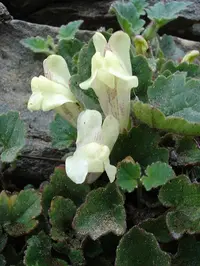
The flowers open creamy white and gradually turn purple as they age, so a single plant often shows multiple flower colors at once during its bloom period.

Edible blue berries

It produces blue to bluish-purple berries that are considered edible and pleasantly flavored, and in its native range they are sometimes eaten fresh from the plant.

Climbing shrub habit

This species grows as a slender climbing or scrambling shrub, using surrounding vegetation or supports to reach light rather than twining tightly like many classic vines.

Botan icon

Did you know?

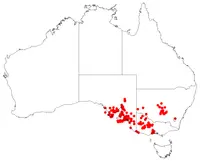
Billardiera versicolor is naturally restricted to southwestern Western Australia, where it forms part of the diverse kwongan and woodland flora and contributes nectar and fruit resources to local pollinators and fruit-eating animals.

FAQs about Billardiera versicolor

This species is a twining climber. Stems naturally wind around nearby supports such as trellises, shrubs, or fences. Without support it scrambles through surrounding plants or along the ground rather than forming a neat, self-supporting shrub.

Grow Healthy Plants with Botan Care

Keep your plants happy and healthy with plant identification, disease detection, and easy care guidance.

Botan plant care app — identify plants on mobile

Explore More Plants