


Encourage Trailing Habit
Pinch back young stems every 2–3 weeks in early growth to promote branching and a denser trailing curtain rather than a few long, straggly vines.

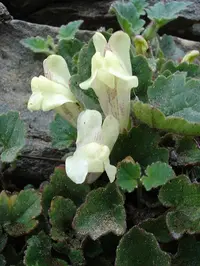
Trailing snapdragon, Asarina procumbens, is a low-growing perennial often used in rock gardens, hanging baskets, and as a cascading groundcover. It forms soft trailing stems with small, ivy-like leaves and pale yellow, snapdragon-shaped flowers.
This species is native to rocky slopes and walls in southwestern Europe, where it naturally threads through crevices and drapes over stones. Its compact habit and continuous summer flowering make it attractive for small spaces.
Asarina procumbens prefers bright light, moderate moisture, and well-drained, gritty soil. Once established, it is fairly resilient but can suffer in heavy, waterlogged substrates. Gardeners who learn how to care for Trailing Snapdragon usually find it a manageable, rewarding plant.

Care Difficulty
Moderate Care

Light Preference
Partial Sun

Water Requirements
Moderate Water

Temperature Preference
Warm Climate

Hardiness Zone
8–10

Soil Texture
Sandy, Loamy, Organic-rich

Soil pH
Acidic (5.5–6.5), Slightly acidic (6.5–7.0)

Soil Drainage
Moist but well-drained

Fertilization
Light (every 4–6 weeks)
Scan your plant to receive care tips personalized for your specific plant
Available on iOS and Android
Asarina procumbens prefers bright conditions that mimic an open but sheltered rock face or wall.
Asarina procumbens prefers evenly moist but never waterlogged soil.
This species grows best in mild, temperate conditions without extreme heat or hard frost.
Asarina procumbens handles typical indoor humidity but prefers slightly moist air.
Asarina procumbens prefers light, free-draining soil that stays slightly moist but not waterlogged.
This trailing species is well suited to container growing on balconies, patios, or window boxes.
Asarina procumbens responds well to light, consistent feeding during its active growing season.
Pruning Asarina procumbens helps maintain a tidy, floriferous mat or cascade of stems.
Asarina procumbens in containers or rock gardens benefits from occasional transplanting to maintain vigor.
Asarina procumbens is commonly propagated from both seeds and soft cuttings for fresh, vigorous plants.
Asarina procumbens has limited frost tolerance and benefits from simple winter protection in colder climates.

Plant Health Check
Not sure what's wrong with your plant? Check your plant's health inside the app.
This species is naturally adapted to grow in limestone cliffs and rock crevices in the eastern Pyrenees, where its roots anchor into very shallow, sharply drained pockets of grit and rubble.
The pale yellow snapdragon-like flowers produce a noticeable sweet fragrance especially in the evening and at night, which is thought to help attract nocturnal pollinators such as moths.
Its slender, trailing stems hug the substrate and can root at the nodes when they touch suitable crevices, allowing the plant to slowly spread across rocky surfaces without forming a tall mound.
This species performs best outdoors in cool to mild climates, especially in containers, rock gardens, or walls. Indoors it is short‑lived and prone to weak, leggy growth unless given very bright conditions and excellent airflow.
Keep your plants happy and healthy with plant identification, disease detection, and easy care guidance.

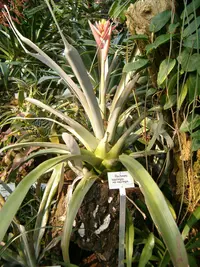
Aechmea aquilega
Aechmea aquilega
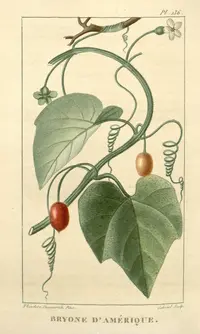
American melonleaf
Cayaponia americana
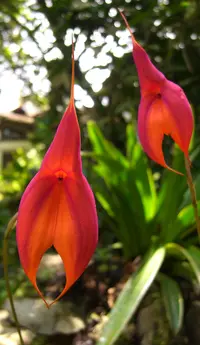
Veitch's Masdevallia
Masdevallia veitchiana
British Columbia wildginger
Asarum caudatum
bungo
Saba comorensis
broadstemmed onion
Allium platycaule
Bignonia aequinoctialis
Bignonia aequinoctialis
 POPULAR
Madagascar jasmine
Stephanotis floribunda