alkali swainsonpea Care (Sphaerophysa salsula)

Also known as: Bladder-vetch, Red Bladder-vetch, Austrian Peaweed
alkali swainsonpea

About alkali swainsonpea

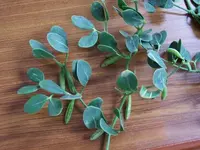
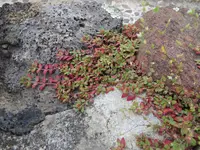
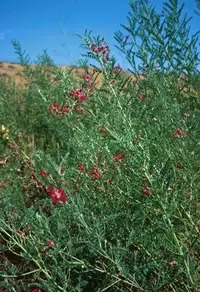
Alkali swainsonpea (Sphaerophysa salsula) is a perennial legume known for its deep roots, fine stems, and small pea-like flowers, usually yellow to reddish. It often forms loose, spreading clumps and can behave as an aggressive colonizer, especially in disturbed or saline soils.

This species is native to central Asia but has naturalized in parts of North America, particularly in dry, alkaline, or roadside habitats. It tolerates poor, salty soils and drought, which influences how to care for alkali swainsonpea in cultivation.

The plant is tough and persistent, but that resilience makes it harder to control in gardens. It suits low-maintenance, dry sites more than refined ornamental plantings.

Main Plant Requirements

Care Difficulty

Easy Care

Light Preference

Full Sun

Water Requirements

Low Water

Temperature Preference

Cold Hardy

Hardiness Zone

3–9

Soil Texture

Sandy, Loamy, Clay

Soil pH

Neutral (7.0), Alkaline (7.5–8.5)

Soil Drainage

Well-drained

Fertilization

Minimal (feed rarely)

Get Personalized Care Plan

Scan your plant to receive care tips personalized for your specific plant

Available on iOS and Android

How to Care for the alkali swainsonpea

This drought-tolerant legume prefers strong, open light conditions typical of dry rangelands.

  • Provide 6–10 hours of direct sun daily; full sun exposure suits alkali swainsonpea best in most open field sites.
  • Plant where it receives bright morning and midday sun; light afternoon shade can reduce heat stress in very hot, dry regions.
  • In prolonged shade (under 4 hours of direct sun), stems elongate, flowering declines, and plants may become weak and sparse.

This species is adapted to dry, well-drained sites and is sensitive to prolonged soil saturation.

  • Allow the top 5–8 cm of soil to dry between waterings; in many field conditions natural rainfall is sufficient once plants are established.
  • Use fast-draining, sandy or gravelly soil; standing water or slow-draining clay promotes root rot and dieback in Sphaerophysa salsula.
  • Wilting, dull foliage, and crisp leaf tips signal extended drought stress, while yellowing, soft stems, and a sour soil smell indicate overwatering.

This hardy perennial tolerates wide temperature swings typical of continental steppe climates.

  • Active growth occurs best around 65–80°F (18–27°C), with good performance through typical spring and summer conditions in many temperate regions.
  • Mature plants usually survive down to about 5°F (−15°C) when soil is well drained, though repeated freeze–thaw in wet ground increases winter loss risk.
  • Heat tolerance is high up to about 95–100°F (35–38°C) if soil is dry to moderately dry; combined extreme heat and waterlogging cause rapid decline.

This species is highly drought-adapted and humidity is rarely a limiting factor for alkali swainsonpea.

Sphaerophysa salsula prefers dry, mineral soils with excellent drainage and low organic content.

  • Use sandy or gravelly soil with a loose, crumbly structure that allows rapid water movement.
  • Aim for alkaline to neutral pH (7.0–8.5), avoiding acidic mixes that can stress roots.
  • Combine coarse sand, fine gravel, and a small amount of low-peat compost to provide structure without retaining excess moisture.
  • Avoid dense, clay-heavy substrates or peat-rich potting mixes, which hold water and reduce root aeration.

This species can be grown in containers outdoors but tends to perform best where roots stay dry and unrestricted.

  • Select a deep, heavy container that resists tipping as the plant develops bushy top growth and extensive roots.
  • Use a very free-draining, gritty mix so water runs out within seconds rather than pooling near the root zone.
  • Raise the pot on feet or bricks so drainage holes remain clear and excess water cannot collect under the base.

This drought-adapted legume usually needs little or no fertilizer, especially in lean soils.

  • If growth is very poor, apply a light layer of compost or low-rate slow-release fertilizer in early spring.
  • Use a balanced NPK product at 1/2 strength, focusing on sandy or highly disturbed sites.
  • Avoid summer and winter feeding; stop fertilizing once active growth slows.
  • Excess nutrients can increase weediness of alkali swainsonpea and reduce stress tolerance.

Pruning Sphaerophysa salsula is mainly done to control spread and maintain a manageable form.

  • Cut back dead, damaged, or diseased stems at ground level in late winter or very early spring.
  • Thin crowded shoots to improve air flow and reduce self-seeding areas.
  • Use clean, sharp hand pruners or loppers to make smooth cuts that heal quickly.
  • Removing spent flowering stems can limit seed production and unwanted spread.

This species is usually grown in open ground, so focus on careful transplanting rather than frequent repotting.

  • Transplant in early spring or fall when temperatures are mild and soil is workable.
  • Move plants only when necessary, as deep roots resent disturbance and may slow growth afterward.
  • Choose a sunny, well-drained site and plant at the same depth as before, firming soil gently around roots.
  • Water thoroughly after transplanting, then reduce frequency to encourage deep rooting and lower stress.

Propagation of Sphaerophysa salsula is most often done by seed under controlled conditions.

  • Collect mature, dry pods and store seeds cool and dry until sowing in late winter or early spring.
  • Scarify hard seed coats lightly with sandpaper or a brief hot-water soak to improve germination.
  • Sow seeds in a very well-drained, gritty mix, keeping temperatures around 65–75°F and soil just moist.
  • Avoid overwatering young seedlings; provide high light to develop sturdy, compact growth.

Established plants are quite cold hardy and usually need little special winter care outdoors in most temperate areas.

  • In regions with severe freeze-thaw cycles, a light mulch layer helps stabilize soil temperature around roots.
  • Avoid heavy, wet mulches that keep crowns saturated, since this can encourage rot.
  • Container-grown plants in cold climates can be moved to a cold, bright, frost-free area to protect roots.

Care Tips

Deep root establishment

During the first growing season, irrigate less often but with deep soakings so roots are encouraged to penetrate well below the surface, which helps the plant tolerate future drought and alkaline soils.

Seed scarification prep

Before sowing, lightly scarify the hard seed coat with sandpaper or briefly soak seeds in warm water to improve germination uniformity and speed for more even stand establishment.

Saline site selection

Choose planting sites where other species struggle with salinity or alkalinity, such as margins of salted roads or alkaline flats, since this legume is adapted to and competes best in such challenging conditions.

Prevent unwanted spread

Monitor and remove volunteer seedlings beyond the intended planting zone, cutting or pulling them before they set seed to keep this species from spreading aggressively in favorable conditions.

Inoculate with rhizobia

At seeding time, dust seeds with an appropriate legume inoculant containing compatible rhizobia to improve nitrogen fixation and overall vigor when growing alkali swainsonpea in low-fertility soils.

Common Pests and Diseases

Pea aphids

This pest is occasionally recorded feeding on shoots and flower stalks of alkali swainsonpea, especially in more mesic or irrigated sites. Symptoms include sticky honeydew, distorted new growth, and sooty mold on stems and leaves.

Solution

Prune and dispose of heavily infested shoot tips, then wash remaining stems with a firm stream of water to dislodge aphids. If needed, spot-treat colonies with insecticidal soap or a ready-to-use horticultural oil, applying in the early morning and repeating every 5–7 days until populations drop.

Seed weevils

These insects develop inside maturing pods and are a primary cause of damaged or non-viable seed in alkali swainsonpea stands. Symptoms include small exit holes in pods and reduced seed set in affected patches.

Solution

Collect and destroy infested pods before adults emerge to lower the next generation. For intentional seed production, monitor during pod development, time harvest slightly earlier, and clean seed thoroughly, discarding any shriveled or holed seed to reduce carryover of the pest population.

Leaf spot

This disease has been noted on Sphaerophysa salsula foliage in dense or stressed stands, particularly after extended wet periods. Symptoms include small dark lesions on leaves that may coalesce, leading to premature yellowing and drop of affected foliage.

Solution

Remove and discard infected leaves and any heavy leaf litter to reduce the source of fungal spores. Improve air movement around plants by thinning dense patches, and if growing Sphaerophysa salsula in managed plantings, avoid overhead irrigation and water at soil level in the morning so foliage dries quickly.

Interesting Facts

Salt-tolerant legume

This species is a nitrogen-fixing legume that thrives on saline and alkaline soils where many other plants fail, contributing to soil nitrogen while tolerating conditions that inhibit most crops and natives.

Explosive seed dispersal

The inflated pods dry and become brittle, then split and twist, flinging seeds away from the parent plant and aiding rapid spread along disturbed or irrigated sites.

Serious rangeland invader

Introduced from Eurasia, it forms dense stands in parts of western North America, displacing native vegetation and reducing forage quality for livestock and wildlife in salty lowlands and irrigation return flows.

Botan icon

Did you know?

Livestock poisoning from this species has been documented in several regions, as the plant can contain elevated levels of swainsonine-type alkaloids, which are neurotoxic compounds that may cause chronic nervous system damage when animals graze it repeatedly.

FAQs about alkali swainsonpea

This species spreads vigorously by seed and root systems, especially in disturbed or alkaline soils. In many regions it is considered invasive. Regular seed pod removal and physical barriers help limit unwanted spread and protect nearby plantings.

Grow Healthy Plants with Botan Care

Keep your plants happy and healthy with plant identification, disease detection, and easy care guidance.

Botan plant care app — identify plants on mobile

Explore More Plants