Florida Hammock Sandmat Care (Euphorbia ophthalmica)

Florida Hammock Sandmat

About Florida Hammock Sandmat

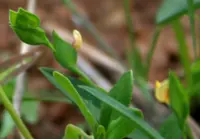
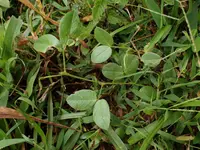
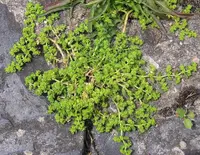
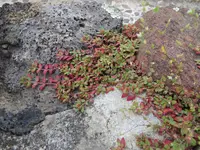
Florida hammock sandmat, Euphorbia ophthalmica, is a low, spreading herbaceous plant known for its tiny leaves and inconspicuous flowers along reddish, often prostrate stems. It typically forms a mat-like groundcover and may appear in lawns, open sandy soils, and disturbed areas. This species is native to parts of Florida and nearby subtropical regions, where it thrives in warm, bright, and relatively dry habitats. Its tough nature and tolerance of heat and poor soils make it resilient but also somewhat weedy outdoors. Gardeners who want to care for Florida Hammock Sandmat should note that it prefers well-drained soil and good light, and resents standing water.

Main Plant Requirements

Care Difficulty

Easy Care

Light Preference

Partial Sun

Water Requirements

Low Water

Temperature Preference

Tropical / Frost Sensitive

Hardiness Zone

10–11

Soil Texture

Sandy, Loamy, Rocky

Soil pH

Slightly acidic (6.5–7.0), Neutral (7.0)

Soil Drainage

Well-drained

Fertilization

Minimal (feed rarely)

Get Personalized Care Plan

Scan your plant to receive care tips personalized for your specific plant

Available on iOS and Android

How to Care for the Florida Hammock Sandmat

This sun-loving Euphorbia ophthalmica thrives in bright, direct light but benefits from some protection at peak intensity.

  • Provide 6–8 hours of sun daily, ideally with morning or late-afternoon direct sun and light midday shade, especially in hotter regions.
  • Plants tolerate partial shade, but dense shade leads to weak, stretched stems and reduced compact growth in Florida Hammock Sandmat.
  • In very hot summers, protect from intense afternoon sun with 30–50% shade cloth to prevent leaf scorch and pale, stressed foliage.

This drought-tolerant species needs infrequent but thorough watering and fast-draining soil.

  • Water only when the top 3–5 cm of soil are completely dry, then soak the root zone once and allow excess to drain away freely.
  • Reduce watering in cool seasons or slower growth periods, as Euphorbia ophthalmica is prone to root rot in cold, wet substrates.
  • Watch foliage and stems: soft, yellowing, or mushy tissue signals overwatering, while wrinkling, shriveling, or limp stems indicate underwatering.

This heat-tolerant succulent prefers warm, stable temperatures and must be protected from frost.

  • Aim for 70–85°F (21–29°C) during active growth, with slightly cooler nights to reduce stress and support firm, compact stems.
  • Protect from cold below 50°F (10°C); growth slows sharply under this level and prolonged exposure near 40°F (4°C) can damage tissue.
  • Never expose plants to frost or freezing; limit extreme heat above 100°F (38°C) by increasing airflow and light shade to prevent sunburn and desiccation.

This succulent tolerates typical indoor humidity and rarely needs special adjustments when healthy.

  • Aim for 30–50% humidity; very high humidity combined with low airflow increases rot risk at the stem base.
  • Dry central heating air is usually tolerated, but extreme dryness can cause leaf yellowing and faster leaf drop.
  • If air is under 30% and tips shrivel, move the Florida Hammock Sandmat away from heat vents or add a small water tray nearby.

This species needs a sharply drained, mineral-rich substrate to prevent root and stem rot.

  • Use a gritty mix such as 50–70% cactus potting mix blended with coarse sand, perlite, or pumice for fast drainage.
  • Aim for slightly acidic to neutral pH around 6.0–7.0, as strongly alkaline soil can limit nutrient uptake and weaken growth.
  • Structure the soil so water drains through in seconds, not minutes; compact, water-retentive media quickly damage Euphorbia ophthalmica roots.
  • Avoid heavy clay, peat-heavy, or unamended garden soil, and discard any mix that stays wet or cool for longer than 2–3 days after watering.

This species is well suited to container growing due to its compact, succulent growth habit.

  • Choose a shallow but wide pot to match its spreading root system and keep the substrate drying evenly after each watering.
  • Select unglazed terracotta if you tend to overwater, since it lets moisture evaporate faster and reduces rot risk.
  • Keep the container slightly elevated on pot feet or stones so drainage holes stay clear and runoff escapes freely.

This Euphorbia benefits from light, infrequent feeding rather than heavy fertilization, even in cultivation as Florida Hammock Sandmat.

  • Use a balanced liquid fertilizer (such as 10-10-10) diluted to 25–50% strength during the active growing season.
  • Feed every 4–6 weeks in spring and summer if growth is in a container or very lean soil.
  • Skip synthetic fertilizer for in-ground plants in fertile native soil, or use a thin layer of compost instead.
  • Stop feeding in fall and winter to avoid forcing soft, weak growth during dormancy.

Pruning Euphorbia ophthalmica is mainly done to maintain shape, remove damage, and keep growth compact.

  • Carry out light pruning in late spring or early summer when growth is active.
  • Remove dead, diseased, or storm-damaged stems first, then thin crowded or crossing shoots.
  • Use clean, sharp hand pruners and wear gloves, since the milky sap can irritate skin.
  • Shortening leggy stems helps maintain a low, dense habit and encourages branching from lower nodes.

This species tolerates being slightly root-bound, so repotting or transplanting is only needed when clear stress signs appear.

  • Repot when roots circle the pot, push through drainage holes, or growth slows despite good care.
  • Plan repotting for late spring, using a fast-draining cactus or succulent mix and a pot only 2–3 cm wider.
  • Loosen circling roots gently, keep the original root ball mostly intact, and water lightly after moving.
  • Reduce stress by keeping the plant shaded and slightly drier for 7–10 days after repotting or transplanting.

Propagation of Euphorbia ophthalmica is commonly done from stem cuttings and sometimes from seed in controlled conditions.

  • Take 5–8 cm stem cuttings in late spring or early summer from firm, non-flowering shoots.
  • Allow cut ends to dry and callus for 1–2 days so the latex sap seals and rot risk declines.
  • Insert cuttings into a sterile, gritty mix, keeping it barely moist, in bright, indirect light and 70–80°F.
  • For seeds, sow on the surface of a well-draining mix, maintain gentle warmth, and provide consistent but light moisture.

This warm-climate Euphorbia is frost-sensitive and needs protection in regions with cold winters.

  • In-ground plants in mild climates benefit from a 5–8 cm mulch layer to insulate the root zone.
  • Move container plants indoors before temperatures fall below 40°F, placing them in bright, indirect light.
  • Keep soil on the dry side in winter, watering only enough to prevent complete desiccation.
  • Avoid exposure to freezing wind or prolonged damp, which increases the risk of stem and root rot.

Care Tips

Protective handling

Always wear gloves and avoid touching your face when pruning or repotting, as the milky sap can irritate skin and eyes; rinse tools and any sap contact areas with plenty of water afterward.

Targeted stem pinching

Pinch back overly leggy stems with clean fingers or sterilized scissors to encourage denser, more compact growth and to keep the plant from sprawling beyond its container.

Salt buildup management

Every 2–3 months, leach the potting mix by slowly running water through the container for several minutes to flush out accumulated fertilizer salts that can burn roots in this sensitive species.

Quarantine for pests

When bringing new plants home, keep this plant in a separate area for 2–3 weeks and inspect weekly for mealybugs or spider mites so infestations can be treated early before spreading.

Travel-proof setup

Before short trips, move the plant slightly farther from intense light and place its pot inside a slightly larger cachepot lined with a thin layer of damp perlite to slow evaporation while growing Florida Hammock Sandmat in dry indoor air.

Common Pests and Diseases

Spider mites

This pest often appears on stressed plants kept very dry and warm, causing fine webbing and tiny pale stippling on leaves and stems.

Solution

Rinse the plant thoroughly under a gentle stream of lukewarm water, including stem joints, then allow it to dry in bright, indirect light; repeat every few days for 1–2 weeks and increase humidity slightly while improving air movement. For persistent infestations, apply a horticultural oil or insecticidal soap labeled for succulents, making sure to coat all surfaces but avoiding use in strong direct sun right after treatment.

Mealybugs

These insects cluster in stem joints and around roots, appearing as white cottony masses that stunt growth and cause yellowing.

Solution

Physically remove visible insects with a cotton swab dipped in 70% isopropyl alcohol, then rinse the plant and inspect the root zone when repotting, discarding heavily infested soil. Follow up with 2–3 applications of insecticidal soap or a light horticultural oil at 7–10 day intervals, and isolate the plant from others until no new mealybugs appear.

Scale insects

This pest shows as small, brown or tan shell-like bumps on stems that draw sap and may cause wrinkling or dieback of segments.

Solution

Gently scrape or peel off individual scales with a fingernail or soft tool, then wipe stems with a cloth lightly moistened with 70% isopropyl alcohol. After mechanical removal, use an insecticidal soap or systemic insecticide approved for ornamental succulents if allowed in your area, monitoring new growth closely for several weeks.

Powdery mildew

This disease produces a white, powdery film on stems and any leaf-like growth, more common in warm conditions with poor air circulation.

Solution

Improve airflow and avoid wetting the stems in the evening, then remove and discard the most affected sections if possible. Treat remaining growth with a sulfur-based or potassium bicarbonate fungicide suitable for ornamentals, applied according to label directions, and maintain the plant in bright light with moderate spacing from other plants to reduce recurrence.

Bacterial stem canker

Symptoms include dark, sunken, sometimes oozing lesions on green stems that can girdle segments and lead to localized collapse.

Solution

Cut out affected stem sections well into healthy tissue with a sterile blade, then let wounds dry and callus in a warm, dry, shaded spot for several days before replanting or watering. Disinfect tools between cuts, avoid overhead watering, and keep splashing soil off stems, following careful Euphorbia ophthalmica care instructions to reduce future stress and infection risk.

Interesting Facts

Latex can irritate eyes

The milky sap of this species is known to irritate human eyes and skin, which is reflected in the name ophthalmica that refers to the eye. Handling damaged stems or leaves without protection can sometimes cause conjunctivitis-like symptoms if the sap contacts the eyes.

Small but prolific cyathia

This plant produces tiny cup-like reproductive structures called cyathia, typical of Euphorbia, which can appear in large numbers along its creeping stems. They are often overlooked because of their size but are botanically complex, containing multiple male flowers and a single female flower in each structure.

Creeping, mat-forming habit

Euphorbia ophthalmica grows as a low, spreading plant that can form dense mats in suitable conditions. This growth form helps it cover bare soil surfaces and compete effectively with other small ground-layer plants.

FAQs about Florida Hammock Sandmat

This species forms low, mat-like patches but is not usually aggressively spreading in managed gardens. It can self-seed in open, sandy or disturbed spots, so remove unwanted seedlings and edge beds if tighter control is desired.

Grow Healthy Plants with Botan Care

Keep your plants happy and healthy with plant identification, disease detection, and easy care guidance.

Botan plant care app — identify plants on mobile

Explore More Plants