Salt-wind management
In coastal sites, allow some natural exposure to sea breeze but install a low windbreak fence or shrub line on the windward side to reduce salt burn on young foliage during the first 2–3 years.

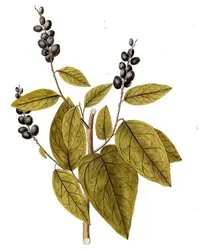
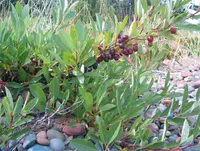
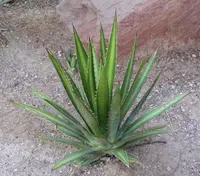
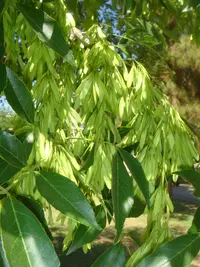
Tietongue, Coccoloba diversifolia, is an evergreen tree native to coastal areas of Florida, the Caribbean, and parts of Central America. It typically grows with a dense, rounded crown and smooth gray to brown bark.
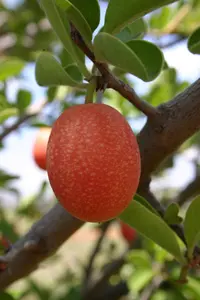
Leaves are thick, leathery, and variable in shape, giving the plant a distinctive, textured look. Small, greenish flowers are followed by clusters of decorative, grape-like fruits that attract wildlife.
This species tolerates wind, salt spray, and periods of drought, which makes it suitable for tough coastal landscapes. It prefers sun, well-drained soil, and moderate moisture, and these same traits explain why many gardeners find it relatively straightforward to care for tietongue.

Care Difficulty
Moderate Care

Light Preference
Full Sun

Water Requirements
Moderate Water

Temperature Preference
Tropical / Frost Sensitive

Hardiness Zone
10–11

Soil Texture
Sandy, Loamy, Organic-rich

Soil pH
Acidic (5.5–6.5), Slightly acidic (6.5–7.0)

Soil Drainage
Well-drained

Fertilization
Minimal (feed rarely)
Scan your plant to receive care tips personalized for your specific plant
Available on iOS and Android
This coastal shrub prefers bright, warm conditions with consistent sun exposure for dense growth.
This species prefers evenly moist but not saturated soil once established in the landscape.
This warm-climate shrub thrives in stable, frost-free conditions year-round.
This coastal shrub handles a broad humidity range but grows best in moderately moist air.
Coccoloba diversifolia prefers a loose, fast-draining mix that mimics sandy coastal soils.
This species can be grown in containers when given enough root volume and stable support.
This coastal native tree grows well in lean soils but benefits from light feeding in containers or managed landscapes.
Coccoloba diversifolia responds well to light structural pruning to maintain size and health in gardens or streetscapes.
This species is mostly grown in the ground, so focus on careful transplanting of young trees rather than frequent repotting.
This tree is usually propagated in nurseries from seeds or semi-hardwood cuttings rather than divided in gardens.
In its suitable climate range this species is only mildly frost-tender, yet young or potted plants may need some winter attention.

Plant Health Check
Not sure what's wrong with your plant? Check your plant's health inside the app.
This species is naturally found in coastal hardwood hammocks and rockland forests of southern Florida and the Caribbean, where it tolerates high light, alkaline limestone soils, and salty maritime winds better than many broadleaf trees.
The small, fleshy fruits are eaten by local birds and other wildlife, helping disperse the seeds across islands and coastal forests and supporting food webs in subtropical ecosystems.
Unlike many temperate relatives, this species stays evergreen in frost‑free climates and can form a medium tree with a dense crown that provides year‑round shade and cover for animals.

Buttonwood, including this species, has been widely used in coastal restoration plantings in south Florida and the Caribbean because its tolerance of salt spray, sandy or rocky soils, and strong winds makes it a stabilizing component of recovering shoreline forests.
Growth is moderate. In warm coastal climates, young plants may add 30–60 cm of height per year once established. Rate slows as it matures, and poor drainage, cool temperatures, or nutrient-poor soil can reduce growth noticeably.
Keep your plants happy and healthy with plant identification, disease detection, and easy care guidance.