Herbert's Passionfruit Care (Passiflora herbertiana)

Also known as: Australian Native Passionfruit
Herbert's Passionfruit

About Herbert's Passionfruit

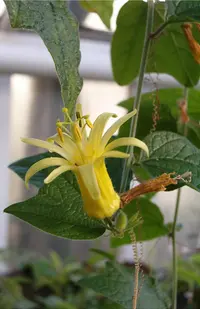
Passiflora herbertiana, commonly called Herbert's passionfruit, is a vigorous evergreen climber from eastern Australia. It naturally scrambles through forest edges and coastal scrub, using tendrils to grip supports.

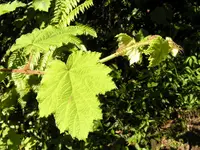
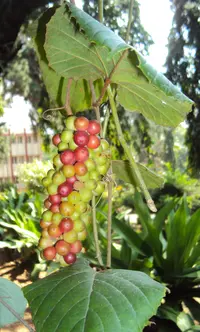
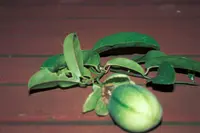
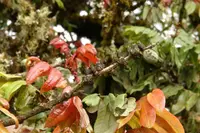
The plant has three-lobed green leaves and attractive, intricate flowers followed by small, usually yellowish fruits. Its growth habit is fast and somewhat sprawling, so it needs space or a strong trellis.

This species is relatively adaptable, which makes it moderately easy to grow for those who can provide a warm, frost-free climate. Understanding how to care for Herbert's Passionfruit starts with giving it bright light, regular moisture, and well-drained soil.

It suits outdoor planting in mild regions and can be trained in larger containers where conditions are similar to its natural habitat.

Main Plant Requirements

Care Difficulty

Moderate Care

Light Preference

Full Sun

Water Requirements

Regular Water

Temperature Preference

Warm Climate

Hardiness Zone

9–11

Soil Texture

Sandy, Loamy, Organic-rich

Soil pH

Acidic (5.5–6.5), Slightly acidic (6.5–7.0)

Soil Drainage

Moist but well-drained

Fertilization

Light (every 4–6 weeks)

Get Personalized Care Plan

Scan your plant to receive care tips personalized for your specific plant

Available on iOS and Android

How to Care for the Herbert's Passionfruit

This vigorous vine needs bright outdoor light to flower and fruit well.

  • Provide 4–6 hours of direct morning sun with light afternoon shade; strong late-day sun in hot summers can scorch leaves, especially on young plants.
  • Herbert's Passionfruit tolerates partial shade (around 3–4 hours of direct sun) but flowering and fruiting decline as shade increases.
  • In cooler seasons, allow more direct sun by reducing overhead shade; in hotter months, use dappled or filtered light from nearby trees or structures to prevent leaf burn.

This species prefers evenly moist, well-drained soil rather than constant saturation.

  • Water when the top 3–5 cm of soil feel dry, applying enough water to moisten the root zone but not leave standing water.
  • Passiflora herbertiana shows underwatering through limp, dull leaves and dry, crumbly soil; yellowing leaves with soft stems often indicate overwatering or poor drainage.
  • In spring and summer, expect more frequent watering during active growth and heat; in cooler months, reduce frequency while still preventing the root zone from fully drying out.

This vine grows best in warm, frost-free outdoor conditions.

  • Aim for active growth in 65–85°F (18–29°C); flowering and fruiting are most reliable when temperatures stay within this range for much of the growing season.
  • The plant is damaged by frost and should be protected when temperatures approach 32°F (0°C); leaf and stem injury often appears after even light frosts.
  • Short heat waves up to about 95°F (35°C) are tolerated if soil moisture is stable and roots are mulched; prolonged heat above this can reduce flowering and stress the vine.

This species benefits from moderate to moderately high humidity but usually adapts to typical household levels.

  • Aim for 40–60% humidity, as very dry air can slow growth and reduce flowering in Herbert's Passionfruit.
  • Watch for crisp leaf edges, curling, or stalled new growth as signs of low-humidity stress rather than underwatering.
  • Increase humidity by grouping plants, placing a water-filled pebble tray under the pot, or using a small humidifier nearby in very dry homes.

This vine needs a well-aerated, free-draining mix that still holds steady moisture.

  • Use a loose, loamy mix such as 40% peat- or coco-based potting mix, 30% compost, and 30% perlite or coarse sand for Passiflora herbertiana.
  • Aim for slightly acidic to neutral pH around 6.0–7.0 to support nutrient uptake and healthy root function.
  • Improve aeration by including chunky pine bark or coarse perlite so roots receive oxygen and excess water drains quickly.
  • Avoid heavy clay, compacted mixes, or pots that stay waterlogged, which promote root rot and reduce flowering.

This species is suitable for container growing if given enough root space and support for climbing.

  • Choose a deep, heavy pot to balance the vine’s top growth so wind or vigorous shoots do not tip the container.
  • Select slightly porous materials like terracotta only if you can water more often, as they lose moisture faster than plastic or glazed pots.
  • Position the pot where a strong trellis or railing can be anchored directly to the container or immediately behind it to stabilize long stems.

This vigorous vine benefits from moderate feeding to support flowering and foliage, especially when caring for Herbert's Passionfruit in containers.

  • Use a balanced NPK fertilizer (such as 10-10-10) or well-aged compost during active growth.
  • Feed every 4–6 weeks in spring and summer, or apply a slow-release formula at the start of the season.
  • Dilute liquid feeds to 1/2–3/4 strength to avoid salt buildup and root burn.
  • Reduce feeding to once in late autumn only, or pause entirely during winter dormancy.

Thoughtful pruning keeps Passiflora herbertiana manageable, encourages flowering, and maintains a healthy framework.

  • Carry out main pruning in late winter or very early spring before vigorous new growth begins.
  • Remove dead, diseased, or damaged stems first, then thin out weak or crowded shoots.
  • Shorten overly long vines to control size and direct growth along trellis or wires.
  • Use clean, sharp bypass pruners and make angled cuts just above healthy buds or side shoots.

Container-grown plants and young garden specimens benefit from occasional transplanting to maintain strong, balanced growth.

  • Check for roots circling the pot, pushing through drainage holes, or for declining vigor as signs a move is needed.
  • Plan repotting or transplanting in late winter to early spring, before Passiflora herbertiana enters fast growth.
  • Expect container plants to need a larger pot about every 2–3 years, using free-draining, fertile mix.
  • Reduce root stress by watering well before moving, handling the root ball gently, and shading for several days afterward.

New plants are commonly raised from seed or softwood cuttings, depending on whether specific traits must be preserved.

  • Sow fresh seeds in spring in a warm (70–75°F), bright spot, using a fine, well-drained seed mix.
  • Lightly scarify seed coats or soak seeds 12–24 hours to improve germination speed and uniformity.
  • Take 10–15 cm softwood cuttings in late spring to summer, removing lower leaves and dipping bases in rooting hormone.
  • Place cuttings in a humid, bright but sun-sheltered environment and keep the medium just moist until rooted.

In mild climates this species is fairly tolerant of cool conditions but young or container plants benefit from some winter management.

  • Expect top growth to be damaged by hard frosts below about 25°F, though established roots may reshoot in spring.
  • Apply 5–8 cm of organic mulch around the root zone in late autumn, keeping it slightly away from the stem base.
  • For container plants, move pots into a frost-free, bright location or against a sheltered wall to buffer temperature swings.

Care Tips

Provide strong support

Install a sturdy trellis, wire mesh, or tensioned cable system at planting time so vines can be tied in and trained early, which reduces wind damage and keeps stems off the ground where they are more prone to rot and pests.

Train leader stems

Select 2–3 strong main stems and loosely tie them to the support, removing weak, tangled side shoots near the base so the plant builds a well-structured framework that carries more flowers and fruit over time.

Mulch the root zone

Apply a 5–8 cm layer of coarse organic mulch around, but not touching, the stem to keep roots cool, reduce evaporation, and limit weed competition, renewing it once or twice a year as it breaks down.

Monitor for suckers

Check regularly for unwanted shoots emerging from the base or from roots away from the main plant, and cut them cleanly at their origin so energy is directed into the trained vines instead of spreading growth into unwanted areas.

Protect in windy sites

In exposed gardens, use windbreak cloth, lattice, or plant the vine on the lee side of a fence or structure so young shoots do not snap, which is particularly useful when growing Herbert's Passionfruit in coastal or elevated areas.

Common Pests and Diseases

Passionvine hopper

This pest is a sap-sucking insect that commonly colonizes passionfruit vines, causing leaf yellowing, stunting, and sticky honeydew on leaves and stems.

Solution

Prune out heavily infested shoots, then hose down the plant with a strong stream of water to dislodge nymphs and adults; if needed, apply a ready-to-use insecticidal soap or horticultural oil to the undersides of leaves, repeating every 7–10 days until populations drop, and reduce excess nitrogen fertiliser that promotes soft, attractive growth.

Fruit fly infestation

These insects lay eggs in developing passionfruit, leading to internal fruit breakdown, premature fruit drop, and small puncture marks on the skin.

Solution

Remove and dispose of all fallen and infested fruit in sealed bags, use fruit fly traps or lures around the planting area, and protect developing fruit with fine mesh bags or exclusion netting; in regions with heavy pressure, follow local integrated pest management advice specifically for fruit fly when growing Herbert's Passionfruit outdoors.

Passionfruit woodiness virus

This disease causes leaf distortion, mottling, and thickening, and can lead to hard, misshapen fruit with reduced pulp quality.

Solution

Immediately remove and destroy infected vines to prevent spread, disinfect pruning tools with 70% alcohol between plants, control sap-sucking insects such as aphids that spread the virus, and start new plants only from reputable, virus-free nursery stock; avoid planting new vines near old or infected passionfruit plantings.

Brown spot

This disease produces small tan to dark-brown spots on leaves and sometimes fruit, which can merge to form larger lesions and cause premature leaf drop in humid conditions.

Solution

Improve air circulation by pruning dense growth and avoiding overhead watering, promptly remove and bin infected leaves and fruit, and apply a labeled copper-based or other passionfruit-safe fungicide at the first sign of spotting, repeating as directed during prolonged wet or humid weather.

Scale insects

These insects appear as small, immobile brown, white, or gray bumps on stems and leaf veins, leading to yellowing, reduced vigor, and sooty mold growth on honeydew deposits.

Solution

Gently scrape or wipe off localized colonies with a cloth or soft brush, prune and discard heavily infested stems, and treat remaining infestations with horticultural oil or insecticidal soap, making sure to coat stems and leaf undersides thoroughly and repeating applications every 7–14 days until new growth remains clean.

Interesting Facts

Australian rainforest climber

This species is native to eastern Australian rainforests and moist forests, where it climbs over shrubs and trees using tendrils to reach better light in the canopy.

Food plant for butterflies

Its foliage serves as a natural host plant for several Australian passionvine butterflies, whose caterpillars feed on the leaves without usually killing the vine.

Edible but modest fruit

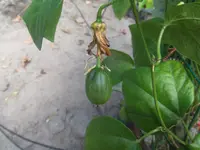
The yellow, oval fruit is technically edible and eaten by some local wildlife and people, but it is usually described as mild and less flavorful than commercial purple passionfruit species.

FAQs about Herbert's Passionfruit

This species is a vigorous woody vine that climbs using tendrils. It naturally twines up trellises, fences, and shrubs rather than spreading along the ground, so vertical support is important for controlled growth and flowering.

Grow Healthy Plants with Botan Care

Keep your plants happy and healthy with plant identification, disease detection, and easy care guidance.

Botan plant care app — identify plants on mobile

Explore More Plants