Oroya peruviana Care

Oroya peruviana

About Oroya peruviana

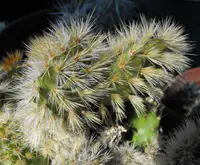
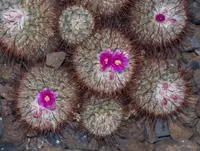
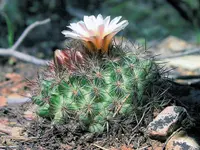
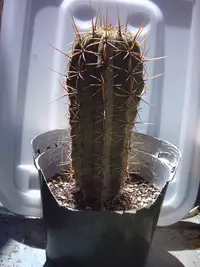
Oroya peruviana is a small, slow-growing cactus native to high-elevation regions of the central Peruvian Andes. It forms a compact, rounded stem with many ribs and short, stiff spines.

In cultivation it stays low and mound-like, often developing attractive radial patterns of spines and bright yellow to orange flowers when mature. Its alpine origin makes it adapted to strong light, cool nights, and a very dry, rocky substrate.

This species suits growers who can provide plenty of light, excellent drainage, and careful watering, since it is sensitive to excess moisture and cold, wet conditions. Learning how to care for Oroya peruviana mainly involves avoiding overwatering and protecting it from prolonged frost.

Main Plant Requirements

Care Difficulty

Moderate Care

Light Preference

Full Sun

Water Requirements

Low Water

Temperature Preference

Tropical / Frost Sensitive

Hardiness Zone

10–11

Soil Texture

Sandy, Rocky, Loamy

Soil pH

Slightly acidic (6.5–7.0), Neutral (7.0)

Soil Drainage

Well-drained

Fertilization

Minimal (feed rarely)

Get Personalized Care Plan

Scan your plant to receive care tips personalized for your specific plant

Available on iOS and Android

How to Care for the Oroya peruviana

This high-Andean cactus thrives in strong light with some protection from intense midday sun.

  • Provide 6–8 hours of direct morning sun or bright light with light afternoon shade, especially in hot, lowland climates.
  • Outdoors, place Oroya peruviana where it gets unobstructed east or southeast exposure; in very sunny, hot areas, use 30–40% shade cloth at midday to prevent bleaching.
  • If stems elongate, lean, or turn pale green, light is too low; if yellowed with brown, dry patches on the sun-facing side, light is too intense.

This cactus prefers thorough but infrequent watering that allows the root zone to dry between soakings.

  • Water only when the top 3–5 cm of soil are completely dry, then soak deeply and let excess drain away so roots are not left in standing water.
  • In active growth (spring–early fall), this may mean watering every 7–21 days depending on heat, soil mix, and pot size; reduce to very light or no watering in winter dormancy.
  • Wrinkling or slight softening of ribs suggests it is time to water, while persistent soil dampness, a sour smell, or blackened stem tissue indicates overwatering risk for Oroya peruviana.

This species prefers cool to warm, stable conditions with dry, cold winters and no hard frost.

  • Aim for 60–75°F (16–24°C) during active growth; short peaks up to 85°F (29°C) are tolerated if the soil is fast-draining and not kept wet.
  • Protect from cold below 40°F (4°C); brief dips to 32°F (0°C) may be survived if the plant is completely dry, but repeated or wetter frosts increase rot risk.
  • In winter, a cool, bright, and very dry rest at 40–50°F (4–10°C) supports healthy flowering, while hot nights above 75°F (24°C) year-round can weaken growth.

This high-altitude cactus tolerates dry indoor air and rarely needs special humidity management.

This Andean cactus needs a very fast-draining, mineral-rich mix to prevent root rot.

  • Use a gritty mix based on cactus potting soil with 40–60% extra mineral material such as pumice, coarse sand, or fine gravel.
  • Ensure the mix feels loose and crumbly, never compacted, so air can move freely around the roots.
  • Keep pH slightly acidic to neutral, around 6.0–7.0, which most commercial cactus mixes already provide.
  • Avoid moisture-retentive peat-heavy or clayey mixes that stay wet longer than 2–3 days after watering, as Oroya peruviana is prone to rot.

This species is well suited to container growing.

  • Choose a wide, shallow pot that allows the shallow root system to spread without trapping excess moisture in deep soil columns.
  • Select unglazed terracotta if extra evaporation is needed in cool or humid climates, since it allows moisture to escape through the pot walls.
  • Place the pot where it cannot be knocked or tilted, as the heavy, rounded body can make the container unstable when dry.

Feeding Oroya peruviana is helpful but should stay light to avoid soft, weak growth.

  • Use a low-dose, balanced liquid fertilizer (around 10-10-10) or cactus feed diluted to 25–50% strength.
  • Apply every 4–6 weeks during spring–summer only, on already moist soil to prevent root burn.
  • Stop feeding in fall–winter when growth slows, especially in cool conditions.
  • Avoid compost-rich mixes or frequent slow-release products that keep soil too nutrient-heavy.

Pruning needs for Oroya peruviana are minimal and mainly focused on health and safety.

  • Perform any trimming in late spring, after the main rest period, when growth resumes.
  • Remove only dead, diseased, or rotting tissue with clean, sharp scissors or a knife.
  • Cut away damaged pups or offsets at the base to maintain a compact, symmetrical mound.
  • Avoid cutting into healthy green tissue, which can scar and create infection entry points.

Container-grown Oroya peruviana benefits from careful, infrequent repotting to refresh soil and manage roots.

  • Check for roots circling the pot, pushing through drainage holes, or noticeably slowed growth as signs it is pot-bound.
  • Repot every 3–4 years in late spring, using a slightly larger container with very gritty, fast-draining cactus mix.
  • Loosen the root ball gently, remove old, compacted soil, and let any damaged roots dry for 1–2 days before replanting.
  • After repotting, keep the plant dry for 5–7 days, then resume light watering to limit rot and transplant shock.

Propagation of Oroya peruviana is usually done on a small scale and requires patience and stable conditions.

  • Use offsets where available, detaching pups with a sterile knife and letting cut surfaces callus for several days.
  • Sow seeds in late spring on a sterile, gritty cactus mix, barely covering them with fine substrate.
  • Maintain 70–80°F, bright indirect light, and consistently slight moisture until seeds germinate.
  • Ventilate trays gently and avoid overwatering to reduce damping-off, a fungal issue that kills young seedlings.

Cold-season care is important because Oroya peruviana is not frost hardy and suffers in prolonged damp chill.

  • Keep temperatures around 45–55°F in winter and avoid exposure to frost or freezing winds.
  • Move container plants indoors or into a bright, unheated but frost-free space such as a cold greenhouse or sunroom.
  • Maintain soil almost dry, watering only enough to prevent shriveling, and ensure strong air circulation.
  • Do not mulch heavily around the base; excess retained moisture in cold conditions greatly increases rot risk.

Care Tips

Rain protection

If you grow the plant outdoors, place it under a rain shield or an overhanging shelf during wet seasons so the potting mix does not become saturated and the stem base stays dry.

Summer ventilation

Provide strong air movement around the plant in hot weather, using a small fan or open airflow, to reduce fungal issues in the woolly crown tissue and help the plant tolerate higher temperatures.

Winter light boost

In winter dormancy, move the plant to the brightest, coolest indoor spot available or add a small LED grow light so the body does not etiolate while kept dry and resting.

Mineral top-dressing

Apply a 0.5–1 cm layer of clean pumice, gravel, or coarse sand on the soil surface to keep the neck of the plant dry, reduce algae and fungus growth, and provide better support for the shallow root system.

Careful repot timing

Repot only in late spring after a dry period, then keep the plant almost dry for 7–10 days so any damaged roots callus before regular watering resumes, which greatly lowers rot risk when caring for Oroya peruviana.

Common Pests and Diseases

Red spider mites

This pest thrives on Oroya peruviana in hot, very dry conditions and feeds by sucking sap, causing a dull, speckled surface and loss of the natural green sheen. Symptoms include fine webbing between ribs and around areoles.

Solution

Increase air humidity locally by misting the air around the plant (not the body) and rinse the cactus under a gentle, lukewarm shower, protecting the soil from excess water. For persistent infestations, wipe the plant with a soft cloth dipped in insecticidal soap or a neem-oil solution, repeating every 7–10 days until new growth appears clean.

Mealybugs

These insects hide in the woolly areoles and rib grooves, appearing as white cottony clusters and causing stunted or distorted growth over time. This pest excretes honeydew, which can lead to sooty mold on the skin.

Solution

Isolate the plant, then remove visible clusters with a cotton swab dipped in isopropyl alcohol, working carefully around the spines and wool. For ongoing control, apply an insecticidal soap or neem-oil spray to all surfaces, repeat after 7–14 days, and inspect regularly, since caring for Oroya peruviana often requires early detection of mealybugs in the dense areoles.

Corky scab lesions

Symptoms include rough, brown, cork-like patches that develop where the epidermis was damaged by minor injury, sun stress, or previous pest feeding. This condition is mostly cosmetic but can open small entry points for pathogens if severe.

Solution

Improve growing conditions by providing bright light with slight afternoon shade, stable temperatures, and careful handling to avoid mechanical damage. Keep the plant dry at the affected areas, avoid overhead watering, and monitor for softening or darkening around lesions, which would require cutting back on water and improving airflow.

Basal stem rot

This disease usually starts at the base after prolonged exposure to cold, wet soil, leading to soft, discolored tissue and loss of firmness in the lower part of the cactus. Symptoms include a sour smell and plant leaning or collapsing from the base upward.

Solution

At the first sign of soft, dark tissue, reduce watering immediately and improve drainage and airflow around the pot. If the rot is limited, cut out affected tissue with a sterile knife, dust the wound with sulfur or a copper-based fungicide, and re-root the healthy top in fresh, dry, mineral-rich cactus mix after allowing the cut surface to callus for several days.

Interesting Facts

High Andean specialist

This species is native to the central Peruvian Andes, often growing above 3,000 m on rocky slopes where it tolerates intense UV radiation, strong winds, and large day–night temperature swings.

Strongly ribbed body

The stem forms a compact, depressed-globose body with many sharp ribs and closely spaced areoles, an adaptation that helps manage water storage and reduce mechanical stress in its exposed mountain habitat.

Yellow funnel flowers

It produces yellow, funnel-shaped flowers near the stem apex in spring to summer, which are pollinated by high-elevation insects adapted to the cool but very bright Andean environment.

Botan icon

Did you know?

Oroya peruviana is a glacial relict, meaning its wild populations persist in isolated high Andean refuges that remained suitable as climates warmed after the last ice age, which contributes to its relatively restricted natural distribution.

FAQs about Oroya peruviana

This cactus grows slowly, typically adding only a few millimeters to 1 cm in diameter per year. Growth is most noticeable in warmer months and remains compact for many years, especially when kept in containers.

Grow Healthy Plants with Botan Care

Keep your plants happy and healthy with plant identification, disease detection, and easy care guidance.

Botan plant care app — identify plants on mobile

Explore More Plants