Mojave mound cactus Care (Echinocereus polyacanthus)

Mojave mound cactus

About Mojave mound cactus

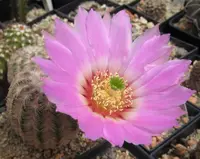
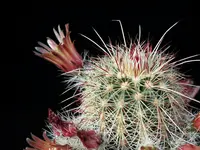
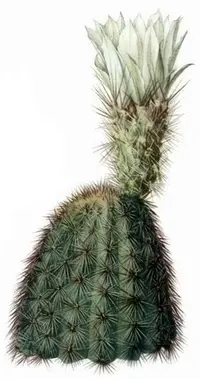
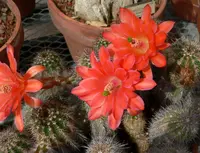
The Mojave mound cactus, Echinocereus polyacanthus, is a small clustering cactus that forms low, dense mounds of many upright stems. It is native to arid desert regions of the southwestern United States and northern Mexico. Each stem is covered in stiff, often colorful spines and produces showy, funnel-shaped flowers, typically in bright red or orange shades. The plant grows slowly and stays compact, which makes it suitable for rock gardens and containers. It handles heat, drought, and poor, sandy soils well, but needs excellent drainage to prevent root problems. These traits make it relatively easy to care for Mojave mound cactus as long as strong light and dry conditions are provided.

Main Plant Requirements

Care Difficulty

Easy Care

Light Preference

Full Sun

Water Requirements

Low Water

Temperature Preference

Warm Climate

Hardiness Zone

8–10

Soil Texture

Sandy, Rocky, Loamy

Soil pH

Slightly acidic (6.5–7.0), Neutral (7.0)

Soil Drainage

Well-drained

Fertilization

Minimal (feed rarely)

Get Personalized Care Plan

Scan your plant to receive care tips personalized for your specific plant

Available on iOS and Android

How to Care for the Mojave mound cactus

This desert cactus thrives in strong, sustained sunlight but still needs gradual acclimation outdoors.

  • Provide 6–8 hours of direct sun daily, ideally with strong morning sun and lighter afternoon exposure to reduce heat stress.
  • Tolerates bright partial shade for a few hours, but long-term low light causes elongated, weak stems and sparse flowering in Mojave mound cactus.
  • In very hot summers, give light afternoon shade or filtered sun to prevent bleaching or scorched patches, especially on newly planted or recently moved specimens.

Watering should mimic desert rains, with deep soaking followed by thorough drying of the soil.

  • Allow the top 5–8 cm of soil to dry completely before watering; in sandy ground this often means long intervals between soakings.
  • During active growth in spring and early summer, water only when stems look slightly less firm and soil is fully dry, then apply a slow, deep soak that drains quickly.
  • In late fall and winter, keep Echinocereus polyacanthus almost dry; signs of overwatering include yellowing, soft or translucent tissue and sudden stem collapse.

This cactus prefers warm, dry conditions and handles both heat and moderate cold when kept dry.

  • Aim for 70–90°F (21–32°C) during the growing season for best stem growth and flowering.
  • Mature plants tolerate brief drops to about 15–20°F (-9 to -6°C) if soil is dry, but repeated hard freezes greatly increase rot risk.
  • In extreme heat above 100°F (38°C), ensure excellent airflow and consider light afternoon shade to limit stress and sunscald on exposed stems.

This cactus prefers dry air and rarely needs special humidity management indoors.

  • Aim for 20–40% relative humidity, similar to a typical heated or air-conditioned room.
  • Dry air is well tolerated; issues arise more from excess moisture around roots than from low humidity.
  • Humidity stress shows mainly as rot or soft, discolored tissue after prolonged dampness; ensure strong air movement rather than increasing humidity for Mojave mound cactus.

Soil for this species must be very fast-draining and strongly mineral-based.

  • Use a gritty mix such as 60–70% inorganic material (pumice, coarse sand, small gravel, or perlite) with 30–40% cactus potting mix.
  • Aim for a slightly acidic to neutral pH of about 6.0–7.0, which supports nutrient availability without encouraging rot.
  • Increase aeration by using large particle sizes (2–5 mm) and avoiding peat-heavy or compact mixes that stay wet for long periods.
  • Outdoors or in large containers, plant Echinocereus polyacanthus on a raised mound or in a rock garden style bed to improve runoff and prevent water from pooling at the root zone.

This species is well suited to container growing when the pot is chosen to control moisture and root temperature.

  • Select a shallow to moderately deep pot that comfortably fits the fibrous root system but does not leave large volumes of unused, wet mix.
  • Choose unglazed terracotta or other porous material so moisture evaporates faster and the root zone dries between waterings.
  • In windy or outdoor sites, use a heavier pot or add surface gravel to stabilize the clumping stems and prevent the container from tipping.

Echinocereus polyacanthus is adapted to nutrient-poor desert soils and needs only light feeding in cultivation.

  • Use a diluted, low-nitrogen balanced cactus fertilizer (for example 5-10-10) at 1/4–1/2 strength in well-watered plants.
  • Feed once in late spring and once in mid-summer during active growth to support blooming of Mojave mound cactus.
  • Avoid fertilizing in fall and winter when growth is dormant to prevent weak, elongated tissue.
  • Skip compost or rich organic feeds that hold moisture and can increase rot risk around the roots.

Echinocereus polyacanthus needs minimal pruning, mainly to maintain health and remove damaged tissue.

  • Carry out any pruning in late spring or early summer when plants are actively growing and wounds heal faster.
  • Remove dead, diseased, or rotting stems at the base using sanitized, sharp pruning shears or a clean knife.
  • Cut away collapsed or heavily scarred segments to reduce disease risk and slightly improve appearance without reshaping clumps.
  • Avoid removing healthy stems, since flowering occurs on well-developed segments and heavy cutting reduces bloom potential.

This cactus grows slowly and prefers to stay slightly root-bound, so repotting or transplanting is infrequent.

  • Check for roots circling the pot, pushing through drainage holes, or very slow growth as signs it needs a larger container.
  • Plan repotting or transplanting in late spring, allowing the plant the full warm season to reestablish and recover.
  • Expect to move Echinocereus polyacanthus only every 3–5 years, stepping up just 2–5 cm in pot diameter each time.
  • Withhold water for several days before and after moving, handle the root ball gently, and allow any broken roots to dry and callus before heavy watering.

Echinocereus polyacanthus is commonly propagated from offsets and seeds under warm, dry conditions.

  • Detach offsets in late spring or early summer, cutting cleanly at the base and avoiding damage to the main clump.
  • Allow cut surfaces to dry and form a callus for 5–10 days in a shaded, airy spot before planting.
  • Set offsets in a gritty, fast-draining cactus mix, keep barely moist, and provide bright, indirect light until rooted.
  • For seeds, sow on the surface of sterile, sandy mix, maintain 70–80°F and slight moisture, and provide bright, indirect light.

This species is relatively cold hardy when kept dry, but container plants still benefit from basic winter care.

  • In ground, ensure soil is very well-drained and avoid winter watering so roots stay dry during freezing periods.
  • Provide a light gravel mulch around the crown to shed water and limit freeze-thaw stress at the root zone.
  • For containers, move plants to a bright, cool, frost-free spot around 35–45°F with no or minimal watering.
  • In very wet or severe winter climates, add a simple rain cover or cold frame to keep stems dry and reduce rot risk.

Care Tips

Rock mulch base

Place a 2–5 cm layer of coarse gravel or small rocks around the crown to keep the stem dry at soil level and to mimic its native rocky habitat, which helps reduce rot and slug damage when growing Mojave mound cactus outdoors.

Tilted planting angle

When planting in the ground or a pot, set the main clump at a slight tilt so water naturally drains away from the crown, especially useful in regions with occasional heavy rain.

Winter rain protection

In climates with wet winters, place a clear, vented cover or cold frame over outdoor plants from late fall to early spring to keep them dry while still allowing bright light and air movement.

Controlled offset removal

Use a sterile, sharp knife to remove well-formed offsets from the outer edge of the mound in late spring, then allow the cut surfaces to callus for 5–7 days before replanting to propagate without stressing the mother plant.

Mineral-rich topdress

Topdress the pot or planting area once a year with fresh pumice, lava rock, or coarse grit to maintain good aeration at the root zone and slowly replenish the mineral structure of the growing medium.

Common Pests and Diseases

Spider mites

This pest is favored by hot, very dry air and can form fine webbing between ribs and spines, causing a dull, stippled surface on the stems. Symptoms include reduced vigor and a faded or rusty appearance on the green tissue between spines.

Solution

Rinse stems thoroughly with a strong, but controlled, stream of water, taking care not to damage the mound structure, then allow the plant to dry quickly in strong light. For persistent infestations, use a ready-to-use insecticidal soap or neem oil spray labeled for cacti, applied in the evening and repeated as needed, while slightly raising humidity and improving air movement around the plant.

Mealybugs

These insects hide in the dense spine clusters and at the base of offsets, leaving white, cottony masses and sticky honeydew that can encourage sooty mold. Symptoms include distorted new growth and slow decline of individual stems within the mound.

Solution

Isolate the plant, then use a cotton swab dipped in isopropyl alcohol (70%) to dab visible insects in the spine bases and along ribs, repeating weekly until no new signs appear. For heavier infestations, apply a contact insecticidal soap or neem oil, letting excess dry quickly, and avoid overfertilizing, which encourages rapid, soft growth that mealybugs prefer.

Scale insects

These insects appear as small, hard, brown or gray bumps pressed against the ribs or hidden near the stem base, often blending with the plant surface. Symptoms include yellowing patches on the epidermis and localized stem weakening over time.

Solution

Gently scrape off individual scales with a soft toothbrush or wooden pick, then wipe the affected areas with diluted isopropyl alcohol to remove residues. In cases of many insects, use repeated applications of horticultural oil or neem oil, ensuring good coverage between ribs and around the base while keeping the substrate dry for a few days to reduce stress on the roots.

Fusarium stem rot

This disease typically enters through wounds or insect feeding sites and causes localized, sunken, reddish-brown to dark lesions on stems that may eventually collapse. Symptoms include a dry to slightly mushy internal discoloration when affected tissue is cut open, often starting at the base of individual stems in the mound.

Solution

Remove and discard affected stems or offsets promptly with a sterile knife, cutting back into firm, healthy tissue and allowing the cut surfaces to dry and callus in bright, dry conditions. Reduce watering, increase airflow, and avoid overhead wetting; any cutting tools should be disinfected between plants, and severely affected specimens are best discarded to protect nearby cacti when following Echinocereus polyacanthus care instructions.

Corky sunscald

This disorder develops when plants grown in shade or indoors are moved too quickly into intense sun, leading to bleached, yellow or tan patches on the upper sides of stems that later turn corky and brown. Symptoms include permanent, rough, scarred areas on the sun-exposed portions of the mound, although deeper tissue may remain alive.

Solution

Gradually acclimate plants to full sun over 2–3 weeks by increasing light intensity stepwise, especially after winter or indoor periods. Provide light shade cloth or filtered sun during heatwaves, and maintain proper watering so the cactus is not stressed when exposed to stronger light, since healthy, hydrated tissue tolerates radiation better.

Interesting Facts

Mojave Desert specialist

This cactus is native to arid regions of the Mojave and Sonoran Deserts, where it often grows on rocky slopes and gravelly soils, anchoring itself in very shallow, mineral-rich substrates.

Dense spine armor

It forms tight mounds of stems covered in stiff, closely spaced spines that shade the surface, reduce water loss, and protect the plant from herbivores in exposed desert habitats.

Spring bloom strategy

In habitat it typically flowers in spring, producing short-lived but vividly colored tubular blooms that are timed to coincide with peak activity of native pollinators such as bees and hummingbirds.

FAQs about Mojave mound cactus

Lack of flowers often relates to insufficient winter chill, inadequate light intensity, or a plant that is still immature. Provide a distinct cool, dry rest period in winter and avoid repotting too frequently to encourage flowering.

Grow Healthy Plants with Botan Care

Keep your plants happy and healthy with plant identification, disease detection, and easy care guidance.

Botan plant care app — identify plants on mobile

Explore More Plants