Rotate For Symmetry
Turn the pot 90° every 2–3 weeks so the rosette receives even light from all sides and does not stretch or lean toward a single direction.

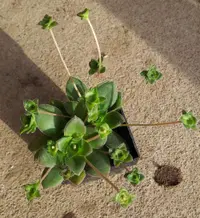
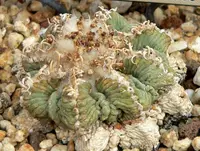
Crassula orbicularis is a compact succulent from South Africa, forming flat, round rosettes of fleshy leaves close to the soil surface. The leaves are usually green to reddish, often with fine hairs that help reduce water loss and protect from strong sun.
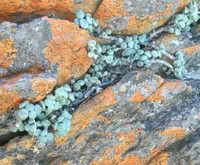
This species grows naturally in rocky, well-drained habitats and is adapted to bright light and periods of drought. Its slow, low-growing habit and modest size make it suitable for small pots, windowsills, and mixed succulent displays.
For most home growers, it is considered moderately easy, provided it receives strong light, infrequent watering, and very free-draining soil; these are the basics of how to care for Crassula orbicularis.

Care Difficulty
Easy Care

Light Preference
Partial Sun

Water Requirements
Low Water

Temperature Preference
Tropical / Frost Sensitive

Hardiness Zone
10–11

Soil Texture
Sandy, Loamy, Rocky

Soil pH
Slightly acidic (6.5–7.0), Neutral (7.0)

Soil Drainage
Well-drained

Fertilization
Minimal (feed rarely)
Scan your plant to receive care tips personalized for your specific plant
Available on iOS and Android
This compact succulent prefers bright conditions that mimic open, lightly shaded rock outcrops.
Watering should respect this species’ shallow roots and strong sensitivity to waterlogged soil.
Stable, mild temperatures support compact rosettes and reduce stress in this succulent.
This species tolerates typical indoor humidity and rarely needs special adjustments.
This succulent needs a very fast-draining, mineral-rich mix to prevent root rot.
This species is well suited to container growing due to its compact, shallow root system.
This compact succulent responds to light feeding but is sensitive to excess salts, so use dilute fertilizer sparingly.
Pruning is minimal for this low rosette succulent and focuses on cleanliness and shape rather than size control.
This shallow-rooted succulent grows slowly and only needs infrequent repotting to refresh soil and manage offsets.
This species is commonly multiplied from offsets and leaf or stem cuttings under warm, bright, and dry-leaning conditions.
This succulent is not frost hardy and needs protection in regions with freezing winter temperatures.

Plant Health Check
Not sure what's wrong with your plant? Check your plant's health inside the app.
The flat, disc-like rosettes naturally angle themselves to capture low, slanting light on rocky slopes in its native South African range, maximizing photosynthesis in exposed habitats with thin soils.
Wild populations are often found in quartz and sandstone outcrops in the Western and Eastern Cape, where pale stones around the rosettes reflect light and keep the root zone slightly cooler than the surrounding substrate.
In habitat it responds to the winter-rainfall climate by growing most actively in cooler, wetter months and slowing or almost pausing growth in the hottest, driest periods, a pattern that guides Crassula orbicularis care instructions in cultivation.
Growth is generally slow to moderate. Rosettes often expand by a few cm per year, with faster growth in warm, bright seasons. Limited root space, low light, or cool temperatures slow development. This is typical when growing Crassula orbicularis indoors.
Keep your plants happy and healthy with plant identification, disease detection, and easy care guidance.