


Encourage branching
Pinch back the soft tips of each segment chain in late spring to early summer to encourage branching and create a fuller, cascading plant rather than long, sparse stems.

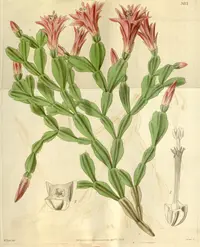
Schlumbergera russelliana is an epiphytic cactus from the coastal mountains of southeastern Brazil, where it grows on trees and rocks in cool, humid forests. It forms arching, segmented stems that hang gracefully, often used in hanging baskets or high shelves indoors.
This species produces tubular flowers along the stem tips, usually in late winter to spring, creating a notable display. It prefers bright, indirect light, moderate moisture, and a loose, free-draining potting mix.
Its forest origin and lack of sharp spines make it friendlier to handle than many desert cacti. Once its basic needs are understood, it is fairly easy to care for Schlumbergera russelliana and can live for many years.

Care Difficulty
Moderate Care

Light Preference
Bright Indirect Light

Water Requirements
Moderate Water

Temperature Preference
Tropical / Frost Sensitive

Hardiness Zone
11–12

Soil Texture
Loamy, Peaty, Organic-rich

Soil pH
Acidic (5.5–6.5), Slightly acidic (6.5–7.0)

Soil Drainage
Moist but well-drained

Fertilization
Light (every 4–6 weeks)
Scan your plant to receive care tips personalized for your specific plant
Available on iOS and Android
This epiphytic cactus prefers bright, indirect light that mimics a shaded forest canopy.
Watering should keep the root zone lightly moist but never saturated.
This species prefers mild, stable temperatures with a distinct cooler period to support bud formation.
This epiphytic cactus favors moderately humid air and reacts quickly to very dry conditions.
This species needs a light, airy, fast-draining mix that stays slightly moist but never waterlogged.
This subtropical forest cactus is very suitable for container growing.
This epiphytic cactus benefits from light, controlled feeding during active growth.
Pruning helps maintain shape and encourages bushier growth and better flowering.
This cactus prefers slightly tight pots and infrequent repotting.
New plants are most often produced from stem cuttings.
This subtropical cactus is frost-sensitive and needs indoor or protected winter conditions in cold climates.

Plant Health Check
Not sure what's wrong with your plant? Check your plant's health inside the app.
This species is native to the coastal Atlantic rainforest of southeastern Brazil, where it often grows as an epiphyte on mossy tree branches and rock faces in cool, humid cloud forest conditions.
Unlike many related holiday cacti that flower around late fall or winter, this species typically blooms from late winter into spring in its native range, reflecting the seasonal patterns of the Brazilian highland forests.
Its flattened stem segments form long, arching to pendulous chains that allow the plant to drape from tree branches, positioning flowers away from shaded bark and closer to light and pollinators.
This species played a key role in the development of many modern Christmas cactus hybrids, contributing its pendulous growth habit and flower characteristics to widely grown Schlumbergera cultivars.
Lack of blooms usually comes from too much warmth or light at night, or no cool rest period. Shorter days, cooler nights around fall, and avoiding light exposure at night help trigger flower buds.
Keep your plants happy and healthy with plant identification, disease detection, and easy care guidance.


rainbow hedgehog cactus
Echinocereus rigidissimus
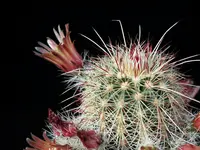
brownspine hedgehog cactus
Echinocereus russanthus
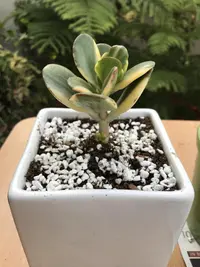
Jade Plant
Crassula ovata 'Variegata'
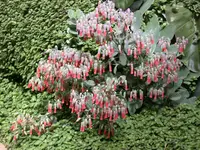
Kalanchoe laxiflora
Kalanchoe laxiflora
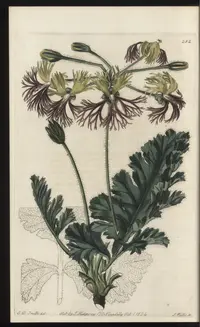
Orchid Pelargonium
Pelargonium schizopetalum

Panda Plant
Kalanchoe tomentosa 'Chocolate Soldier'
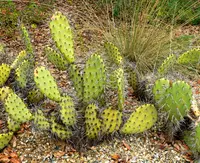
coastal pricklypear
Opuntia littoralis
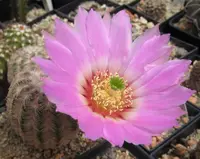
lace hedgehog cactus
Echinocereus reichenbachii