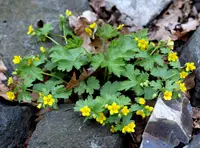
Orchid Pelargonium Care (Pelargonium schizopetalum)

Also known as: Divided-Petalled Orchid
Orchid Pelargonium

About Orchid Pelargonium

Orchid Pelargonium (Pelargonium schizopetalum) is a shrubby, tuberous perennial grown mainly for its finely cut, fringed petals that resemble small orchids. Plants usually stay compact and branch freely, making them suitable for containers and bright indoor spots. In the wild it occurs in parts of South Africa, where it grows in rocky, well-drained habitats with a marked dry season. This seasonal rhythm means it prefers good drainage, moderate watering, and a resting period when growth slows. The species is moderately easy to grow if its dislike of heavy, soggy soil is respected. Those who learn how to care for Orchid Pelargonium often value its unusual flowers and long-lived tuberous rootstock.

Main Plant Requirements

Care Difficulty

Moderate Care

Light Preference

Partial Sun

Water Requirements

Moderate Water

Temperature Preference

Tropical / Frost Sensitive

Hardiness Zone

10–11

Soil Texture

Sandy, Loamy, Organic-rich

Soil pH

Slightly acidic (6.5–7.0), Slightly alkaline (7.0–7.5)

Soil Drainage

Well-drained

Fertilization

Light (every 4–6 weeks)

Get Personalized Care Plan

Scan your plant to receive care tips personalized for your specific plant

Available on iOS and Android

How to Care for the Orchid Pelargonium

This species prefers bright, gentle sun that mimics its native South African habitat.

  • Provide 4–6 hours of direct morning sun with light afternoon shade; east- or southeast-facing exposure suits Orchid Pelargonium well.
  • Tolerates light or dappled shade, but stems may stretch and flowering drop if it receives under 3–4 hours of direct light daily.
  • In hot summers, protect from intense sun from about 11 a.m.–3 p.m. to prevent leaf scorch, especially in containers or against reflective walls.

Pelargonium schizopetalum prefers a drying cycle between waterings rather than constant moisture.

  • Water only when the top 3–5 cm of soil feels dry, then water deeply so liquid exits the drainage holes or drains freely from the bed.
  • Reduce watering in cool seasons or when growth slows; slightly drier soil helps prevent root rot and supports a natural rest period.
  • Watch for yellowing, soft leaves and a sour smell as signs of overwatering, and for limp, thin leaves and dry, shrinking stems as signs of underwatering.

This geranium relative grows best in mild conditions without strong temperature extremes.

  • Ideal growing temperatures are 60–75°F (16–24°C), with slightly cooler nights promoting sturdy growth and flowering.
  • Protect from frost; sustained exposure below 32°F (0°C) can kill stems and roots, so move plants or cover them before freezes.
  • In hot spells above 90°F (32°C), provide light shade and extra airflow to limit heat stress, leaf scorch, and premature bud drop.

This species prefers relatively dry air and does not need elevated humidity to thrive.

  • Aim for 30–50% humidity, similar to most heated homes, and avoid humidifiers placed nearby.
  • It tolerates dry air well, but prolonged >60% humidity can encourage leaf spots and fungal issues.
  • Watch for limp, spotting leaves as a sign of excess humidity, and increase air movement with a small fan if needed.

Pelargonium schizopetalum grows best in a light, fast-draining, slightly gritty mix.

  • Use a mix of 40% peat- or coir-based potting mix, 30% coarse sand, and 30% perlite for a loose, airy texture.
  • Ensure very sharp drainage so water runs through in seconds and the top 2–3 cm dry quickly between waterings.
  • Target a slightly acidic to neutral pH of 6.0–7.0, avoiding strongly acidic or alkaline substrates that restrict nutrient availability.
  • Avoid heavy clay, compacted mixes, or those high in uncut garden soil, which hold water and reduce root aeration.

This species is well suited to container cultivation when the pot is chosen to prevent waterlogging and root stress.

  • Select a pot just 2–3 cm wider than the root ball so the mix dries evenly and does not stay wet at the center.
  • Choose a stable, heavier container if the plant is tall or top-heavy, reducing the risk of tipping in wind.
  • Use a pot material with moderate breathability, such as unglazed terracotta, to help excess moisture evaporate after watering.

Pelargonium schizopetalum responds well to moderate, consistent nutrition during active growth.

  • Use a balanced liquid fertilizer (for example 10-10-10 or 15-15-15) at 1/2 strength every 2–3 weeks in spring and summer.
  • Alternatively, apply a light layer of fine compost or a low-dose slow-release fertilizer at the start of the growing season.
  • Allow soil to dry slightly between feedings, avoiding fertilizer on very dry roots to reduce burn risk.
  • In autumn and winter, when Orchid Pelargonium growth slows, cut feeding back to once every 6–8 weeks or stop entirely.

Thoughtful pruning keeps Pelargonium schizopetalum compact, branching well, and flowering reliably.

  • Carry out main pruning in late winter or very early spring before vigorous new growth starts.
  • Remove dead, diseased, or damaged stems first, then thin congested or crossing shoots to improve airflow.
  • Shorten long, leggy stems by 1/3–1/2 to encourage bushier growth and more flowering tips.
  • Use clean, sharp scissors or hand pruners, disinfecting blades between plants to limit disease spread.

Container-grown plants appreciate occasional repotting to maintain healthy roots and growth.

  • Look for roots circling the pot base, pushing through drainage holes, or unexplained slow growth as signs repotting is needed.
  • Plan to repot Pelargonium schizopetalum every 2–3 years in late winter or early spring, just before active growth.
  • Move into a pot only 2–3 cm wider with fresh, well-drained mix, keeping the root ball at the same depth as before.
  • Handle roots gently, water lightly after potting, and keep in bright but indirect light for 5–7 days to limit transplant shock.

New Pelargonium schizopetalum plants are most often produced from stem cuttings.

  • Take 8–10 cm non-flowering stem cuttings in late spring or early summer from healthy, pest-free shoots.
  • Remove lower leaves, allow the cut end to dry for a few hours, then insert into a free-draining mix such as 50% perlite, 50% peat-free compost.
  • Provide bright, indirect light, gentle warmth (68–75°F), and slightly moist but not wet medium to encourage rooting.
  • Seed propagation is possible but slower; sow fresh seed shallowly in a similar mix and maintain steady moisture and warmth.

Winter care for Pelargonium schizopetalum focuses on avoiding frost damage and excessive wetness.

  • Treat it as frost-sensitive; growth is damaged below about 32°F, so container plants should be moved indoors before the first hard frost.
  • Overwinter in a bright, cool, frost-free space at 45–55°F with reduced watering to keep the root zone just barely moist.
  • For in-ground plants in mild climates, apply a 5–8 cm dry mulch around the root area to buffer temperature swings and improve drainage.

Care Tips

Use shallow pots

Choose a wide, relatively shallow pot to accommodate the plant’s fine, fibrous roots and reduce the risk of waterlogged lower soil layers that can trigger root problems.

Provide light staking

Install a thin stake or small ring support early in the season and loosely tie the main stems, which helps prevent breakage of the wiry, arching growth and keeps the frilled flowers displayed above the foliage.

Implement cool rest

Give the plant a cooler, slightly drier rest period in late fall and winter by moving it to a bright spot around 50–59°F and easing off water, which supports better flowering performance the following spring.

Use clean pinching

Pinch soft shoot tips with clean fingers or sterilized snips in early growth to encourage bushier plants with more flowering stems, and always remove spent flower stalks at the base to direct energy to new growth.

Monitor roots regularly

Slide the root ball partly out of the pot once or twice a year to check for tight circling roots or sour-smelling media, then repot into fresh, airy mix before spring growth if the roots are congested, which is an important part of caring for Orchid Pelargonium.

Common Pests and Diseases

Geranium rust

This disease causes yellow spots on the upper leaf surface that correspond to brown, powdery pustules on the underside. Symptoms include premature leaf drop and gradual weakening of the plant if humidity stays high.

Solution

Remove and discard all infected leaves, avoid overhead watering, and increase spacing and airflow around plants to keep foliage dry. For recurrent problems, apply a labeled fungicide for rust on pelargoniums as a preventive spray during warm, humid periods, and avoid saving seed or cuttings from heavily affected plants.

Botrytis blight

This disease produces soft, water-soaked areas on leaves, flowers, and stems that quickly develop a gray, fuzzy mold. Symptoms include flower bud abortion and rotting of older petals, especially in cool, damp, low-light conditions.

Solution

Promptly remove and discard all affected blossoms and plant debris, then improve ventilation and reduce overcrowding to lower humidity around plants. Water at the base early in the day, and if conditions remain cool and damp, use a suitable botrytis fungicide on susceptible plants and greenhouse stock as part of broader Pelargonium schizopetalum care instructions.

Pelargonium bacterial blight

This disease causes small, round, sunken leaf spots that turn dark and may form V-shaped lesions along the leaf veins, often followed by wilting and stem blackening. Symptoms include one-sided dieback of shoots and rapid collapse in severe infections.

Solution

Remove and destroy infected plants and all fallen leaves, and disinfect tools and benches with a suitable disinfectant after contact with symptomatic material. Start new plants from certified disease-free cuttings, avoid overhead irrigation and splashing water between plants, and keep foliage dry to limit spread in collections and production areas.

Whiteflies

These insects are tiny, white, moth-like pests that fly up in a cloud when the plant is disturbed. This pest feeds on leaf sap, causing yellowing, sticky honeydew, and sooty mold growth on leaves.

Solution

Regularly check the undersides of leaves and remove heavily infested foliage, then use yellow sticky traps to monitor and reduce adult numbers. Wash leaves with a gentle water spray and apply insecticidal soap or horticultural oil to coat the undersides of leaves, repeating at intervals to break the life cycle and support long-term Orchid Pelargonium indoor care.

Caterpillar leaf damage

This pest group includes pelargonium-feeding caterpillars that chew holes and notches in leaves and sometimes bore into stems or buds. Symptoms include ragged foliage, frass (small dark droppings), and distorted new growth where larvae have fed in hidden areas.

Solution

Inspect plants in the evening and early morning, handpick and remove caterpillars, and prune out stems with internal feeding when present. Encourage natural predators outdoors, use fine mesh netting over valuable plants where practical, and if damage is persistent, apply a biological insecticide containing Bacillus thuringiensis (Bt) to young larvae according to label directions.

Interesting Facts

Spiderlike petal shape

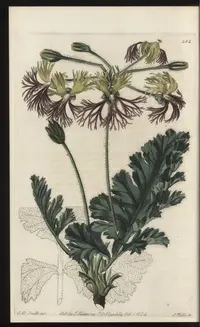
This species has long, narrow, deeply fringed petals that create a spiderlike or starburst appearance, an unusual floral form within the genus that helps distinguish it from most other pelargoniums.

Winter-growing cycle

It follows a Mediterranean-type growth pattern, actively growing and flowering in the cooler, wetter winter months of its native South African habitat and resting in summer dormancy when conditions are hot and dry.

Restricted natural range

The species occurs naturally in limited parts of the Eastern Cape region of South Africa, where it grows in rocky, well-drained sites rather than the broader habitats occupied by many more common garden pelargoniums.

Botan icon

Did you know?

This species played a role in early pelargonium breeding in Europe, where its deeply fringed petals were used to introduce unusual flower shapes into ornamental cultivars that are still appreciated in specialist collections today.

FAQs about Orchid Pelargonium

Lack of blooms often comes from insufficient light, too much nitrogen fertilizer, or skipping a light rest period in cooler months. Slightly lean soil, bright conditions, and regular deadheading support reliable flowering for this species.

Grow Healthy Plants with Botan Care

Keep your plants happy and healthy with plant identification, disease detection, and easy care guidance.

Botan plant care app — identify plants on mobile

Explore More Plants