hardy gloxinia Care (Incarvillea delavayi)

Also known as: Hardy Gloxinia
hardy gloxinia

About hardy gloxinia

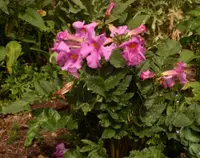
Hardy gloxinia (Incarvillea delavayi) is a herbaceous perennial grown mainly for its large, trumpet-shaped pink flowers and fern-like, divided foliage. It forms a low rosette of leaves with flower stems rising above, giving a tidy yet showy presence in mixed borders or rock gardens.

This species is native to mountain regions of China, where it experiences cool summers and cold winters, which influences how to care for hardy gloxinia in gardens. It is moderately easy to grow if given well-drained soil, steady moisture, and protection from extreme heat.

Plants prefer a spot with sun in cooler climates or light shade in hotter areas. Good drainage and avoiding waterlogged conditions are key to long-term vigor.

Main Plant Requirements

Care Difficulty

Moderate Care

Light Preference

Partial Sun

Water Requirements

Moderate Water

Temperature Preference

Cold Hardy

Hardiness Zone

5–7

Soil Texture

Sandy, Loamy, Organic-rich

Soil pH

Acidic (5.5–6.5), Slightly acidic (6.5–7.0)

Soil Drainage

Moist but well-drained

Fertilization

Light (every 4–6 weeks)

Get Personalized Care Plan

Scan your plant to receive care tips personalized for your specific plant

Available on iOS and Android

How to Care for the hardy gloxinia

Incarvillea delavayi prefers bright conditions with some protection from intense midday sun.

  • Provide 4–6 hours of direct morning sun, then light shade or filtered light in the afternoon, especially in hotter regions.
  • Tolerates partial shade, but dense shade reduces flowering and may cause tall, weak growth in hardy gloxinia.
  • In cooler climates, choose an east or southeast exposure; in hot summers, avoid harsh west sun to prevent leaf scorch and dry, baked soil.

This plant likes evenly moist but not saturated soil during active growth.

  • Water when the top 3–5 cm of soil feels dry, soaking the root zone once and allowing excess to drain away.
  • Use free-draining soil or a raised bed to reduce waterlogging; yellowing, limp leaves often indicate overwatering, while crisp, drooping leaves suggest drought stress.
  • Reduce watering after flowering as foliage dies back, keeping soil just slightly moist through dormancy, especially in areas with dry winters.

This hardy perennial prefers cool to mild summers and cold winters with protected roots.

  • Optimal growing temperatures are about 60–75°F (16–24°C) during the day, with slightly cooler nights to support strong foliage and flowering.
  • Established plants tolerate winter lows near 0°F (−18°C) if soil drains well and crowns are mulched 5–10 cm deep for insulation.
  • In hot regions, protect from prolonged heat above 86°F (30°C) by providing afternoon shade and extra mulch to keep roots cooler and reduce stress.

This species tolerates a wide humidity range and usually does not need special humidity management.

Incarvillea delavayi grows best in loose, well-drained, fertile soil that does not stay wet after rain or watering.

  • Use a loamy mix with 40–60% garden soil, 20–30% compost, and 20–30% coarse sand or fine grit.
  • Ensure sharp drainage; in heavy clay, raise the planting area and blend in coarse sand or small gravel for aeration.
  • Aim for a slightly acidic to neutral pH around 6.0–7.0, avoiding strongly alkaline or salty soils that reduce vigor.
  • Avoid compacted, waterlogged, or peat-only mixes, which promote root and crown rot and shorten plant lifespan.

This species can grow successfully in containers if the pot provides depth and rapid drainage.

  • Choose a container at least 25–30 cm deep so the fleshy roots can extend downward without curling tightly.
  • Select a heavy or terracotta pot outdoors to prevent wind tipping and to moderate moisture for hardy gloxinia.
  • Elevate the container on pot feet so drainage holes stay clear and excess water runs off quickly after rain or irrigation.

Incarvillea delavayi benefits from light, targeted feeding to support strong flowering without overstimulating foliage.

  • Use a balanced NPK granular or liquid fertilizer at 1/2 strength, or mix in a thin layer of compost around the root zone in spring.
  • Feed every 4–6 weeks during the active growing and flowering season, on moist soil to reduce root burn risk.
  • Stop or greatly reduce feeding as foliage yellows and the plant approaches dormancy, resuming only when new growth appears.
  • For hardy gloxinia grown in lean soils, a slow-release fertilizer in early spring can maintain steady nutrition without excess growth.

Incarvillea delavayi responds well to light pruning focused on spent flowers and declining foliage.

  • Deadhead fading flower stalks in mid to late summer using clean hand pruners to extend blooming and keep plants tidy.
  • Remove yellowing, dead, or damaged leaves at the base to improve airflow and reduce fungal issues around the crown.
  • Thin out any weak or crowded stems after flowering to maintain an open clump and direct energy into healthy growth.
  • Cut back all remaining top growth once frost has fully blackened it, leaving the root system undisturbed in the soil.

This deep-rooted perennial prefers to stay in one place, so transplanting Incarvillea delavayi should be infrequent and deliberate.

  • Look for signs such as roots circling the pot, water running straight through, or noticeably slower growth before considering repotting.
  • Schedule transplanting or repotting for early spring before strong new shoots emerge, typically every 3–4 years at most.
  • Use a deep container or planting hole with free-draining, loose soil, handling the brittle taproot very gently to limit damage.
  • Water thoroughly after planting, then keep soil lightly moist and shaded for 1–2 weeks to reduce transplant shock and encourage re-establishment.

This species is most often propagated by seed or careful division, with success depending on timing and gentle handling of roots.

  • Sow fresh seeds in late winter to early spring in a well-drained, gritty mix at 60–68°F, keeping the surface just moist until germination.
  • Provide bright, indirect light and good air movement for seedlings, then pot on individually once they develop several true leaves.
  • Divide established clumps in early spring, lifting carefully to avoid breaking the taproots, and replant divisions promptly at the same depth.
  • For Incarvillea delavayi plant care, label divisions clearly and water lightly until new top growth confirms successful establishment.

Incarvillea delavayi is moderately cold hardy but benefits from simple winter protection, especially in colder regions or containers.

  • After frost blackens foliage, cut stems down to ground level and dispose of diseased material rather than composting it.
  • Apply a 5–8 cm mulch layer of compost, bark, or leaf mold over the root zone, keeping mulch just clear of the crown.
  • In areas with severe freezes or poorly drained soil, grow in containers and move pots to a sheltered, frost-free but cool spot.
  • Avoid winter watering on frozen or waterlogged soil to prevent crown and root rot during dormancy.

Care Tips

Rot protection mound

In heavy or poorly drained soils, plant the crown on a slight soil mound 2–3 cm high and dress it annually with coarse grit to keep the neck drier and reduce crown rot risk.

Targeted slug control

Place low, rigid collars (plastic or metal) 8–10 cm tall around new shoots in spring and combine with iron phosphate pellets outside the ring to protect the soft growth from slugs and snails without harming beneficial wildlife.

Seasonal mulch timing

Apply a loose, dry mulch such as shredded bark or pine needles in late fall after the soil cools, then pull it back gradually in early spring to prevent both winter heave and early shoot rot.

Gentle stake support

In windy sites, insert short, unobtrusive stakes and loop soft garden ties loosely around the stems below the flower clusters to prevent snapping without restricting growth.

Seed collection practice

Allow a few flower spikes to set seed, then cut and dry the pods in paper bags, collecting seed once the pods split so you can grow Incarvillea delavayi from fresh, viable seed the following season.

Common Pests and Diseases

Slugs and snails

This pest is strongly attracted to the soft spring foliage and can quickly skeletonize leaves and chew young flower stems. Symptoms include irregular holes, shredded leaf edges, and slime trails around the plant crown.

Solution

Hand-pick at dusk or early morning, use beer traps or iron phosphate pellets around clumps, and keep mulch slightly pulled back from the crown to reduce hiding places. In wetter sites, consider a low barrier of copper tape or rough grit around the planting area to deter movement toward the plants.

Vine weevils

These insects damage hardy gloxinia mainly at the root stage, where the white grubs feed on fleshy roots and the crown, often causing sudden wilting or collapse. Adult beetles notch leaf edges but usually cause less harm than the larvae.

Solution

Inspect the root zone if plants suddenly wilt and destroy any white C-shaped grubs found near the crown. In containers or small beds, replace infested soil and apply beneficial nematodes labeled for vine weevil control in spring or late summer when soil is moist and above 50°F.

Aphids

These insects often gather on young stems and developing flower spikes, sucking sap and causing distortion, sticky honeydew, and sometimes supporting sooty mold growth. New growth may appear curled or stunted, and flower buds can fail to open well.

Solution

Spray colonies off with a firm stream of water, then treat remaining clusters with insecticidal soap or a light horticultural oil, coating stems and leaf undersides. Encourage natural predators such as lady beetles by avoiding broad-spectrum insecticides in the surrounding bed.

Botrytis blight

This disease thrives in cool, damp conditions and affects the fleshy leaves and flower stalks, leading to water-soaked spots that quickly develop into brown lesions with gray fuzzy mold. Symptoms include collapse of flower stems and rotting of crowded foliage, especially in poorly ventilated sites.

Solution

Remove and discard affected leaves and spent flower stalks immediately and avoid wetting the foliage when watering. Improve spacing and airflow, reduce overhead irrigation during cool, cloudy weather, and use a fungicide labeled for ornamental botrytis if the problem recurs in the same bed.

Crown and stem rot

This disease affects the thick crown and lower stems, often after periods of waterlogging or poor drainage, leading to a soft, brown, foul-smelling base and sudden plant collapse. Symptoms include yellowing foliage, stunted growth, and easy separation of the stem from the crown when pulled gently.

Solution

Lift and discard severely affected plants and improve drainage by raising the bed or adding coarse grit or compost before replanting. Water deeply but infrequently, keep heavy mulch away from direct contact with the crown, and avoid planting hardy gloxinia in sites that stay wet through winter.

Interesting Facts

Unusual hardy gloxinia

This species is nicknamed hardy gloxinia because its pink, gloxinia-like trumpet flowers appear on a plant that tolerates frost and can survive winters in many temperate gardens, unlike true gloxinias which need warm conditions.

Deep, brittle taproot

The plant forms a long, brittle taproot that stores energy for regrowth after winter dormancy, which is why established clumps resent disturbance and are difficult to move once planted.

Evening flower fragrance

Its large tubular flowers often release more fragrance in the evening and on calm, warm days, which likely helps attract night-active pollinators such as moths in its native range.

Botan icon

Did you know?

In its native habitats in southwestern China, this species often grows in rocky, high-altitude meadows and slopes, where its fleshy taproot and rosette growth form help it withstand cold winters and short growing seasons typical of mountain climates.

FAQs about hardy gloxinia

The tubular, brightly colored flowers are rich in nectar and pollen, so they attract bumblebees, other native bees, and sometimes butterflies. Planting several together creates a more visible target and supports local pollinator activity in the garden.

Grow Healthy Plants with Botan Care

Keep your plants happy and healthy with plant identification, disease detection, and easy care guidance.

Botan plant care app — identify plants on mobile

Explore More Plants